Explore our signature line of self-emissive transparent systems, micro-fine pitch LED video walls, and custom ultra-thin glass displays, engineered for continuous operation.
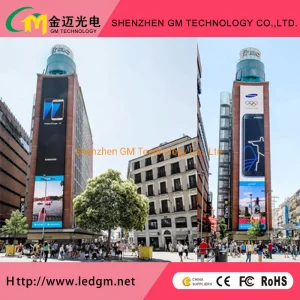
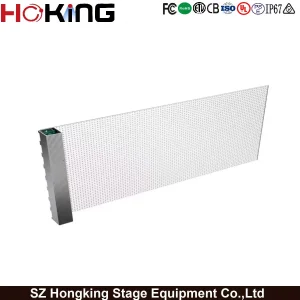
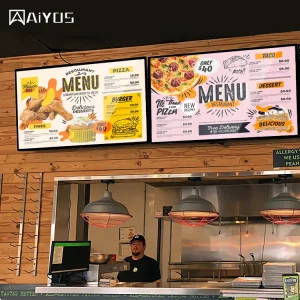
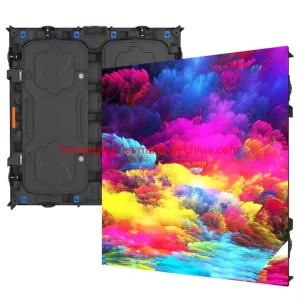
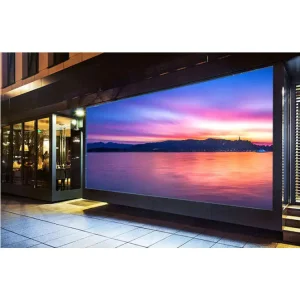
The global display industry is undergoing a paradigm shift from traditional, backlit LCD systems to self-luminous, active-matrix architectures. Among these, Transparent Organic Light-Emitting Diode (T-OLED) technology represents the frontier of visual integration. Unlike conventional displays that construct physical barriers in public and spatial designs, T-OLEDs allow architects, interior designers, and system integrators to blend high-contrast digital imagery seamlessly with real-world physical environments.
Currently, the industrial demand for transparent screens is bifurcated into two main categories: high-transparency film-based LED matrices (integrated directly onto architectural glass) and high-density, active-matrix OLED panels. The market is experiencing an unprecedented CAGR of over 18%, driven by developments in smart retail, metropolitan transit infrastructure, and next-generation corporate boardrooms. As global cities transition into smart municipal hubs, transparent media facades serve as the primary interface for real-time information systems.
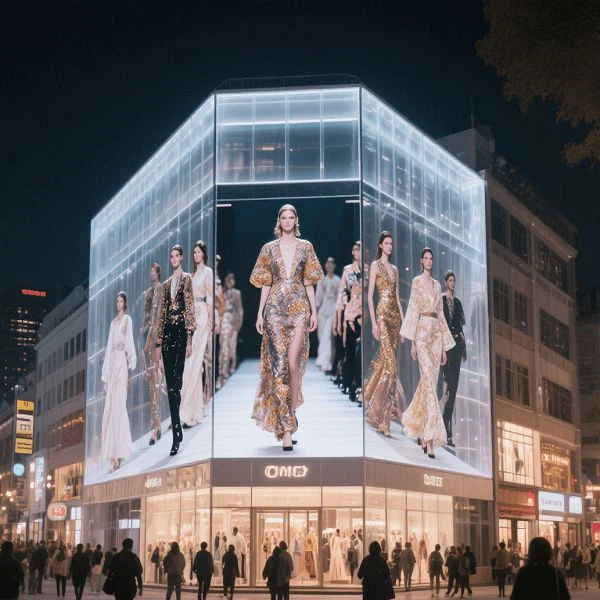
To achieve high light transmission without compromising color accuracy, transparent displays employ a multi-layered molecular architecture. Below is the technical breakdown of our specialized OEM transparent systems.
Utilizing Indium Tin Oxide (ITO) and nano-thin metallic meshes, our displays feature an anode and cathode layout that allows light to pass in both directions. The thin film transistor (TFT) layer is optimized to minimize active routing area, maximizing the transparent passive portion of each subpixel.
Each emission unit is driven independently by dedicated sub-circuits. Transparent OLEDs avoid passive-matrix limitations (cross-talk and brightness drop-off), making them suitable for high-fidelity retail showcases requiring detailed product visualization.
Optical Clear Adhesive (OCA) laminates the OLED layer between high-durability, impact-resistant safety glass. This structure protects the organic compounds from oxygen and moisture ingress, preventing localized pixel degradation and maximizing overall module lifespan.
Shenzhen Aras LED Co., Ltd. (LUMIVIS) operates from the global technology center of Shenzhen, China. Our manufacturing facility combines advanced robotics, cleanroom assembly lines, and rigorous quality inspection systems to deliver premium display equipment.
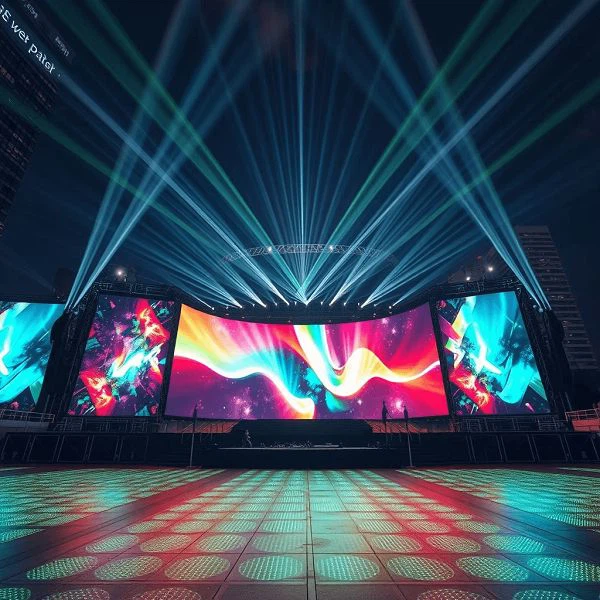
Quality is the cornerstone of our global supply chain. From the ingestion of raw glass substrates and IC driver sets to final assembly packing, our QC process ensures stability in challenging environments:
Transparent displays bridge the gap between physical spaces and digital UI. We design specialized, deployment-ready configurations for several major industrial and architectural verticals.
Luxury brands demand high-contrast overlays to present pricing, product storytelling, and branding elements without obstructing the view of physical products. Our OEM transparent OLED cases deliver dark blacks and vivid colors, highlighting jewelry, watches, and premium cosmetics.
Modern high-speed rail networks, subways, and airport terminals utilize transparent passenger screens. Integrated directly within structural safety glass, these systems display real-time timetables, connection maps, and localized advertisements without blocking external views.
Replace boring drywall or standard office glass with active transparent partitions. Instantly transition between a clear viewing window and an active presentation screen. Fully compatible with major video conferencing interfaces and enterprise network controls.
Every environment requires specific engineering. Our engineering department partners with hardware integrators and contractors to build unique display architectures. We customize pixel density, display dimensions, touch-panel configurations, controller integration, and frame branding to deliver tailored visual systems.
As display technologies evolve, transparent visual systems are transitioning to next-generation structural architectures. Here are the core developments guiding our engineering investments.
Integrating quantum dot color filters directly within the transparent organic structure. This enhances color accuracy, widens the color gamut (DCI-P3 up to 99%), and boosts peak brightness, overcoming current limits for ambient light applications.
Transitioning from rigid glass to flexible Polyimide (PI) substrates. This development will enable transparent, rollable displays that conform to curved automotive windshields and architectural pillars.
Embedding depth sensors, gesture cameras, and ambient light monitoring tools within the transparent layer. This turns the display into an active input interface, paving the way for gesture-controlled smart windows.
We address key technical questions from system engineers, visual designers, and procurement managers when deploying transparent displays.
Browse our comprehensive selection of high-reliability displays, designed for commercial signage, public transit networks, and premium visual advertising.

 Aras LED