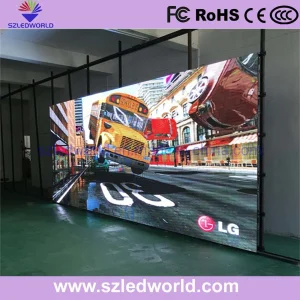
Explore our premium grade display solutions engineered for high performance, high resolution, and absolute structural reliability across commercial and industrial environments.
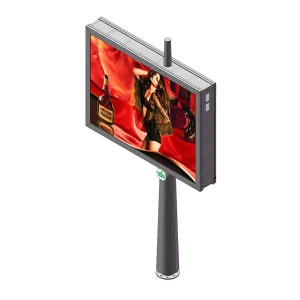
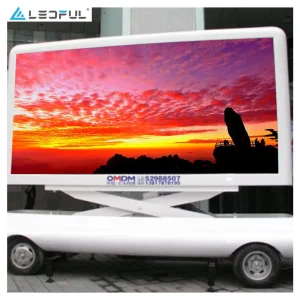
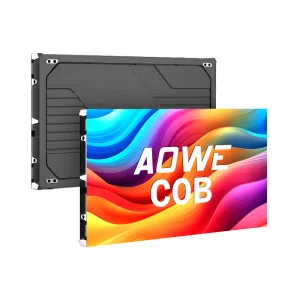
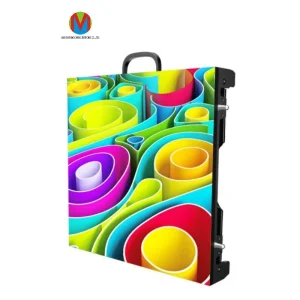
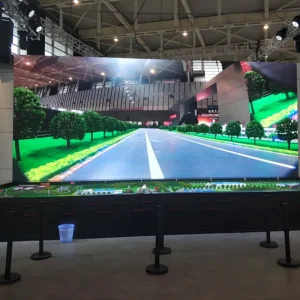
The global commercial display sector is undergoing a rapid transition. Conventional static indoor media and high-bezel LCD configurations are yielding to seamless, high-brightness, and ultra-high-definition (UHD) indoor LED signage solutions. As an integral component of digital transformation strategies across corporate spaces, retail boutiques, command and control centers, and transportation terminals, indoor LED display systems provide unprecedented color accuracy, brightness consistency, and lifespan.
This industry evolution is largely powered by technical innovations originating in international technology centers like Shenzhen, China. Today, commercial buyers do not merely search for direct product listings; they require robust architectures capable of continuous runtime (24/7/365 operational status), low thermal emission profiles, and optimized pixel matrices. From fine-pitch COB (Chip-on-Board) MicroLED structures to highly flexible architectural LED panels, the modern market demands tailored engineering over generic, one-size-fits-all hardware.
Industry Insight: According to global visual communication market analysis, the transition toward Chip-on-Board (COB) and MicroLED technologies will constitute over 45% of new commercial installations by 2026, due to their superior physical endurance, high dynamic range (HDR), and minimized pixel failure rates.
Established as an industry-leading player in the core metro technology district of Shenzhen, China, Shenzhen Aras LED Co., Ltd. (operating globally under the premium brand LUMIVIS) has redefined direct manufacturing and exporting frameworks. With specialized facilities focused on end-to-end design, modular testing, and precision physical assembly, we empower global integration partners by mitigating typical supply chain friction.
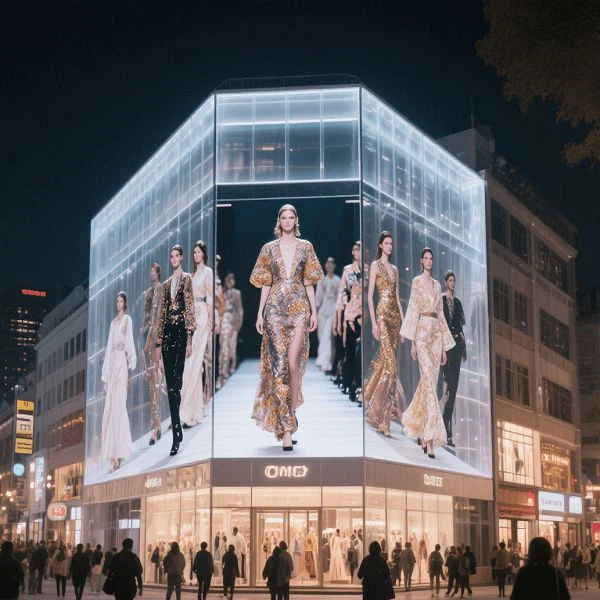
Our facility structures run continuous assembly and verification processes, matching the demands of dynamic project execution timelines. By running vertical lines from diode selection up to the integration of structural cabinets and advanced processing hardware, we support high flexibility in design specifications.
We feature an expansive monthly manufacturing output of 30,000 square meters of LED modules. This volume ensures our capacity to absorb high-quantity wholesale projects and multi-site franchise rollouts concurrently without delay.
Time-to-market is critical. We provide an industry-leading 1 to 10 workday lead time. This enables structural partners, rental firms, and media deployment networks to adjust and act rapidly upon target opportunities.
Each unit undergoes deep testing: Automated Optical Inspections (AOI), extreme thermal fluctuations (-30°C to 60°C), spectroradiometer color accuracy profiles, Gamma matching, and a mandatory 72-hour aging check.
Standard displays often fail to meet the spatial, structural, and acoustic parameters of high-end architectural layouts. We bridge the gap between design and physics through customized components. By selecting precise LED packaging, optimizing control systems, and configuring bespoke structural enclosures, we construct displays tailored to distinct environments.
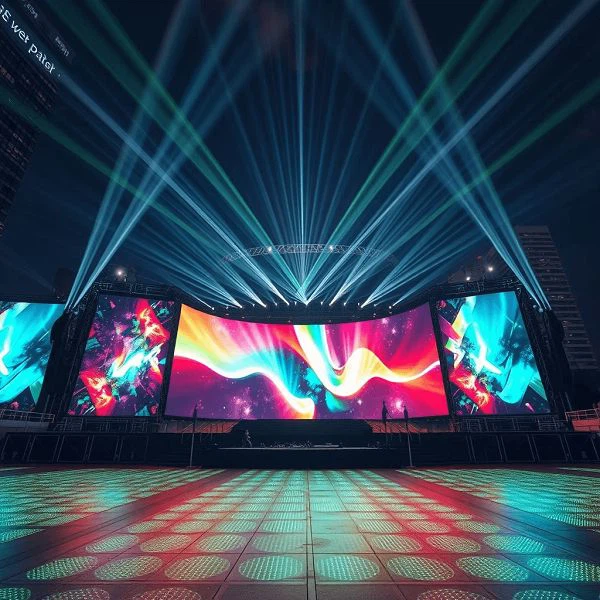
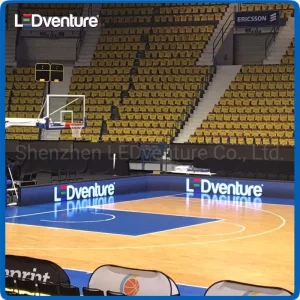
From fine-pitch 4K configurations utilizing P0.78, P0.93, and P1.25 MicroLED panels for boardroom displays to highly resilient SMD configurations for indoor arenas, we match the module dimensions and pixel configurations with visual viewing angles.
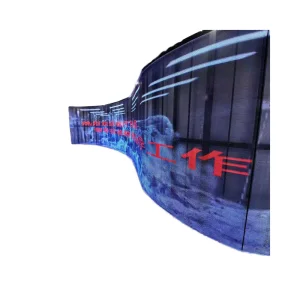
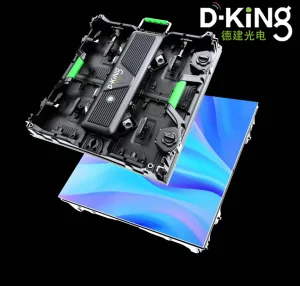
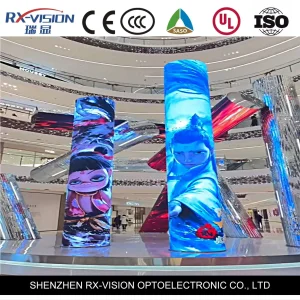
We build structural options including front-service maintenance panels, thin structural frames, curved modules for convex or concave structural configurations, and lightweight profiles designed to reduce structural strain in historic building spaces.
We integrate advanced receiving cards and sending processors like NovaStar, Colorlight, and Linsn, enabling smooth compatibility with 3D playback protocols, HDR content pipelines, low-latency streaming networks, and cloud-hosted CMS infrastructures.
Our dedicated design engineers assist clients throughout the developmental process. Whether you require specific luminance options to counter ambient sun glare in window storefronts, specialized electrical parameters to pass EMC rules, or distinct mechanical configurations to mount panels around structural pillars, we translate complex demands into functional hardware.
Entering international markets requires adherence to strict electrical, safety, and operational standards. As a global exporter, Shenzhen Aras LED ensures that all custom builds and mass wholesale orders are prepared with appropriate international markings. From electromagnetic emission controls to energy management policies, we design our products to comply with regional directives.
Our panels are manufactured to align with CE, FCC, RoHS, UL, and ETL requirements, facilitating seamless integration with local electrical networks and simplifying safety approvals during commercial building inspections.
Our logistics network manages diverse shipping options—including sea transport, priority air freight, and door-to-door customs-cleared solutions (DDP)—helping to minimize potential delays at international ports of entry.
Our engineering support services are available around the clock. We assist clients with calibration procedures, structural planning, and control software training, while keeping critical spare components in reserve for prompt maintenance.
The display market is shifting from surface-mounted diode (SMD) arrays toward advanced packaging architectures that offer improved physical durability and optical performance. Staying competitive requires integrating these state-of-the-art technologies into your digital infrastructure.
Different commercial spaces require specific brightness levels, pixel pitches, and system designs to ensure optimal viewing and operational longevity.
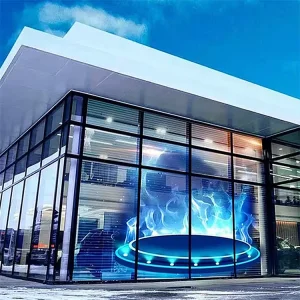
By using fine-pitch COB displays and high-contrast transparent screens behind display windows, luxury retailers can showcase promotional media without compromising interior design or blocking sightlines.
Boardrooms and virtual studios benefit from low-latency, high-refresh-rate P1.2 to P1.5 LED walls. These displays support smooth video conferencing and content presentations under typical office lighting.
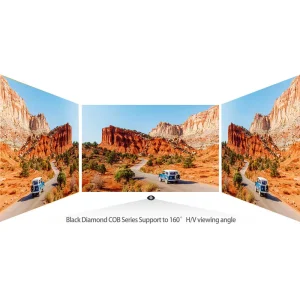
Operational control rooms require high reliability, wide viewing angles, and clear information display. Our P0.9 and P1.2 micro-pitch video walls provide stable 24/7 performance for monitoring critical infrastructure.
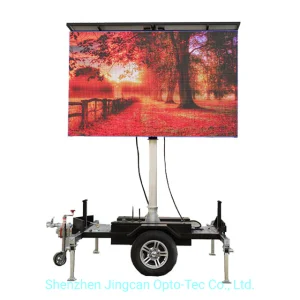
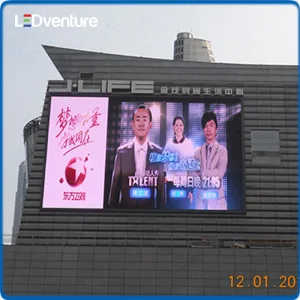
Review our specialty products, including flexible, mobile, and outdoor configurations, designed to meet the demands of modern dynamic events and display environments.
 Aras LED