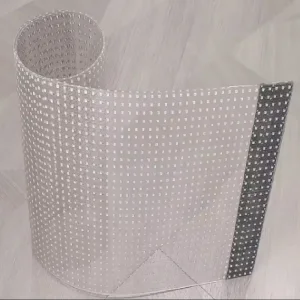
In the rapidly evolving landscape of digital signage, Motion Sensor LED Walls have emerged as a cornerstone of interactive architecture. No longer just a medium for passive broadcast, these displays create a two-way dialogue between the brand and the audience. From the luxury retail hubs of Fifth Avenue to the high-tech metro stations in Tokyo, interactive LED technology is redefining public spaces.
Globally, the demand for "Human-Centric" displays is skyrocketing. Businesses are moving away from traditional static billboards toward systems that react to human presence, movement, and gestures. This shift is driven by the need for higher engagement rates, as motion-triggered content can increase viewer dwell time by up to 400% compared to static displays.
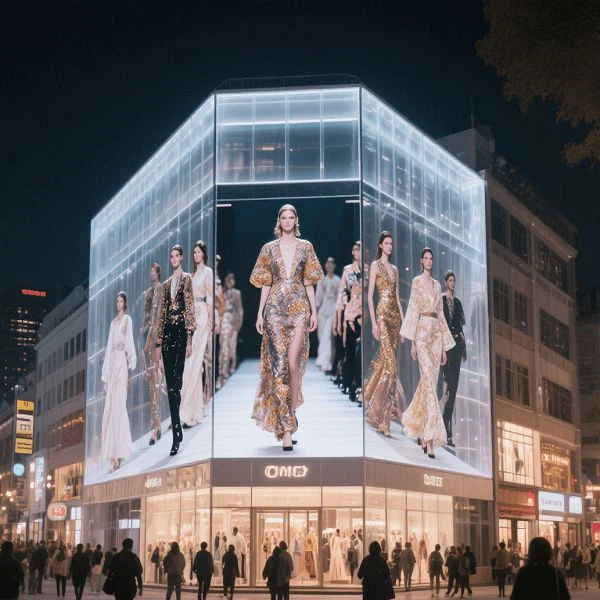
Ultra-fine pixel pitches (P0.7 - P1.2) are becoming the standard for indoor motion sensor walls, offering seamless visuals and superior durability for tactile interaction.
Modern sensors now utilize AI to distinguish between pets, objects, and humans, allowing for complex interactive storytelling and gamified marketing experiences.
Motion sensors allow screens to enter "smart standby" mode, only activating full brightness when users are nearby, significantly reducing carbon footprints.
B2B buyers today are looking for more than just a screen; they are looking for reliable, long-term infrastructure. We analyze the four pillars of global LED procurement:
Buyers in the EU and North America prioritize EMC/LVD certifications and long-term stability under 24/7 operation cycles.
With "Just-in-Time" logistics, our 1-10 workday lead time gives international distributors a competitive edge in project bidding.
Custom cabinet sizes, unique pixel pitches, and branded software interfaces are essential for high-end corporate installations.
In Europe and North America, museums use motion sensor LED walls to create immersive historical walk-throughs. As visitors move, the screen reveals hidden details of the artwork. In retail, luxury brands use reactive floors and walls to greet customers with flowing visual effects as they enter the store.
In Middle Eastern and Asian metropolises, motion sensor walls are integrated into public transport hubs. They provide dynamic wayfinding information that "follows" the user's path, optimizing pedestrian flow during rush hours.
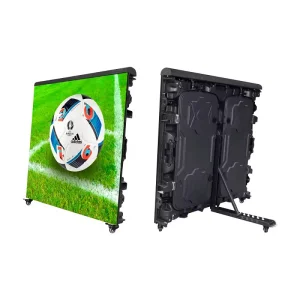
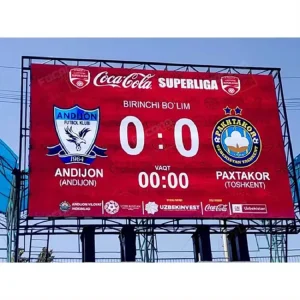
As seen in our P8/P10 stadium perimeter displays, motion sensors can be used to trigger goal celebrations or interact with the crowd, creating an electric atmosphere that increases ticket value and fan loyalty.
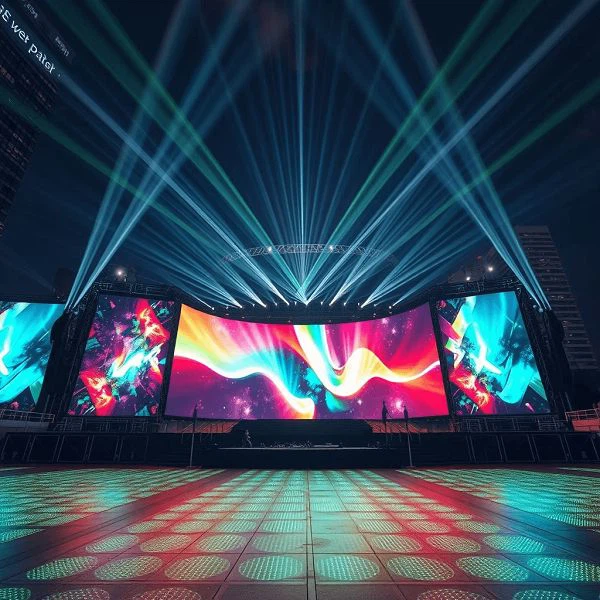
Shenzhen Aras LED Co., Ltd. Factory is located in the China International Metro city—Shenzhen. As a global supplier of LED Display screens, LUMIVIS aims to create added value for customers around the world. Our LED display production facility is equipped with complete manufacturing and testing lines, including module assembly, cabinet fabrication, aging testing, and final system inspection. With in-house capabilities, we ensure consistent quality from single-unit orders to large projects.
From raw materials to finished products, we implement rigorous testing phases:
Every installation is unique. As a trusted LED advertising screen supplier, we offer tailored LED display solutions based on project requirements, including: Custom pixel pitches and resolution, Special cabinet sizes and mounting solutions, Control system integration, Branding and OEM adaptations.
Our engineers work with clients to deliver LED display solutions that align with budget, environment, and performance expectations. We can bring your ideas to life. From adjusting brightness and choosing lamp beads to shaping it uniquely, we tailor every detail to your needs. Let's create your impressive display.
 Aras LED