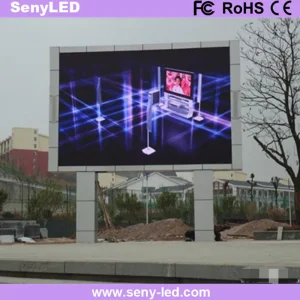
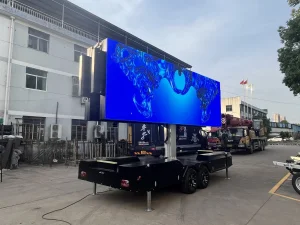
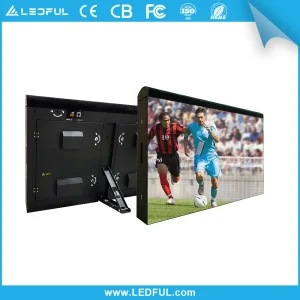
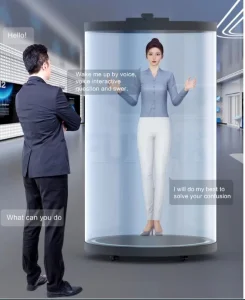
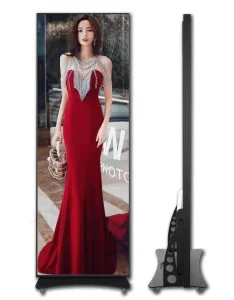
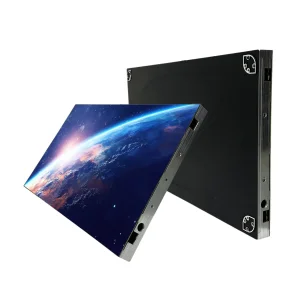
Explore our premium selection of highly customizable display technologies, designed for architectural landmarks, high-visibility retail displays, and mobile advertising environments worldwide.
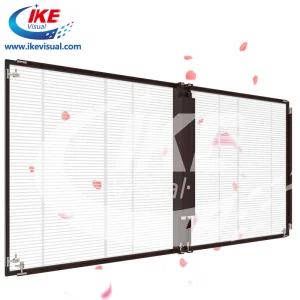
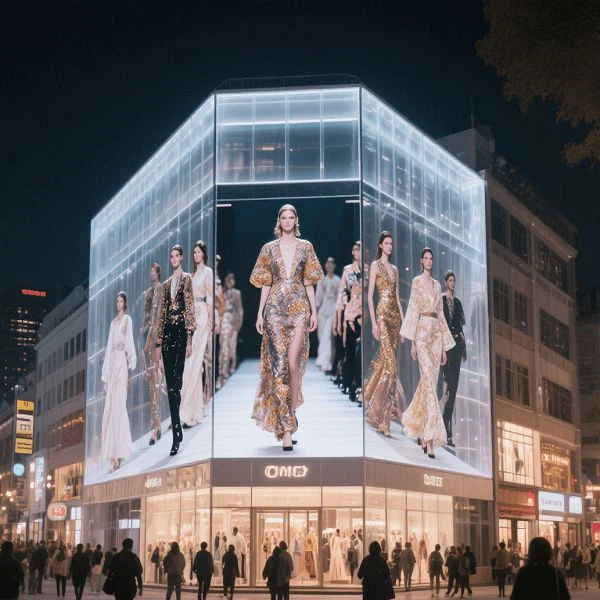
In modern architectural design, the integration of structural glazing and digital display technology has given rise to the LED Curtain Wall (Media Façade). This technological integration transforms static glass structures into dynamic, high-definition digital canvases. High-end real estate developers, urban planning authorities, and corporate giants leverage these systems to balance aesthetic elegance with high-impact advertising capabilities.
The global demand for energy-efficient, transparent glass displays is accelerating, driven by strict green building regulations (such as LEED certifications) and the need for structural stability under extreme environmental conditions. Procurement directors must assess engineering indicators including wind shear resistance, weight per square meter, heat dissipation, and light transmission before finalizing vendors.
Shenzhen Aras LED Co., Ltd. is located in the China International Metro city-Shenzhen. As a global supplier of high-end LED display screens, its premium brand LUMIVIS aims to create added value for customers around the world through rigorous manufacturing methodologies and state-of-the-art visual innovation.
The production facility is engineered to support full-stack manufacturing. It is equipped with complete, automated fabrication and testing lines, including precision module assembly, customized structural cabinet fabrication, multi-phase thermal aging testing, and comprehensive system inspection before export.
With integrated in-house design and engineering capabilities, LUMIVIS delivers consistent quality across a wide spectrum of project scales, servicing everything from custom boutique architectural glass screens to multi-thousand-square-meter airport installations.
30,000㎡ monthly production capacity ensures timely delivery of massive infrastructure projects without bottlenecking supply chains.
An industry-leading 1 to 10 workday lead time for standard configurations, providing agile production that enables clients to capture market opportunities.
Every module goes through AOI inspection, extreme thermal cycling (-30°C to 60°C), spectroradiometer color calibration, and a mandatory 72-hour aging test.
Selecting an enterprise-grade LED curtain wall manufacturer requires analyzing performance across five engineering vectors. Global consulting firms use these criteria to grade the industry's top suppliers:
| Evaluation Parameter | Technical Threshold (Grade A) | Impact on Building Performance |
|---|---|---|
| Transparency Coefficient | ≥ 65% to 85% at pixel pitches > P3.9-7.8 | Maintains daylighting inside the building, lowering reliance on artificial interior lighting. |
| Thermal Management | Die-cast aluminum profiles / fanless passive convection | Prevents thermal stress on glass facades and extends the lifespan of the diodes. |
| Structural Self-Weight | ≤ 12kg - 15kg per square meter | Minimizes structural reinforcement requirements for high-rise buildings. |
| IP Environmental Protection | Front IP67 / Rear IP65 minimum rating | Ensures water tightness and dust isolation under typhoon-level rainstorms. |
| Luminous Efficiency | High-efficiency LEDs achieving ≥ 8,000 Nits at < 240W/㎡ average draw | Maintains visibility under direct sunlight while complying with regional energy caps. |
Every building facade has unique load-bearing profiles, wind shear vulnerability, and solar exposure values. Off-the-shelf LED cabinets rarely meet code. Tier 1 manufacturers like LUMIVIS offer a comprehensive custom engineering flow:
Selecting custom pixel pitches (e.g., P3.9, P7.8, P10, or P16) allows engineering teams to optimize the viewing distance and clarity while balancing wind permeability and light transmission.
Engineers design bespoke cabinet dimensions and mounting solutions that anchor to the existing steel framework of the building without altering its core load distribution.
Integration with fiber optic data loops, redundant power back-ups, and encrypted content management systems prevents broadcast lag and cyber security breaches.
Adjusting color temperature, selecting specific gold-wire lamp beads, and shaping displays with curves or angles ensures the media facade matches the architect's design language.
To survive outdoor environments for over a decade, curtain wall LEDs must undergo strict quality validation at every phase. The LUMIVIS quality control pipeline integrates:
The LED media facade industry is transitioning toward greater energy efficiency and smarter technology integrations. Key trends shaping the future of transparent displays include:
Chip-on-Board (COB) technology improves reliability and impact resistance, allowing transparent displays to be integrated into high-traffic glass interiors without protection screens.
Future facades will integrate solar-capturing glass layers with transparent LED strip arrays, creating self-powered digital architectural screens.
Real-time light sensors combined with machine learning adjust brightness based on current weather conditions, reducing energy usage and preventing light pollution.
Procuring LED curtain walls requires navigating complex local building codes. Safety standards demand structural stability under wind load stresses, alongside electrical certifications to prevent fire and RF interference.
When deploying LED media screens, verification of regional certifications is mandatory. Hardware must conform to electrical safety and electromagnetic emission rules:
Procurement does not end at delivery. Top-tier suppliers provide field service engineers to supervise steel mounting installation, manage power distribution configurations, calibrate the control system, and train the client's internal AV operators.
Get authoritative answers to key design and engineering questions regarding transparent LED curtain walls.
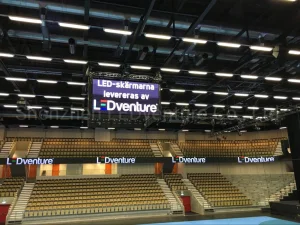
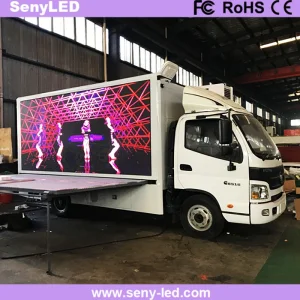
Explore our additional line of specialized digital signage, stadium displays, mobile billboards, and high-resolution indoor modules.
 Aras LED