Top Trusted Digital Billboards Suppliers & Exporters

Architecting Next-Generation DOOH Ecosystems: High-Performance LED Displays, Smart Engineering, and Resilient Global Supply Chains.

Featured Digital Billboard Solutions

Engineered for extreme environments, high-refresh rates, and unparalleled visual fidelity. Explore our top-tier export configurations.
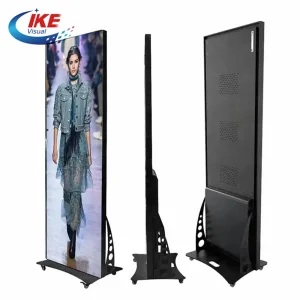
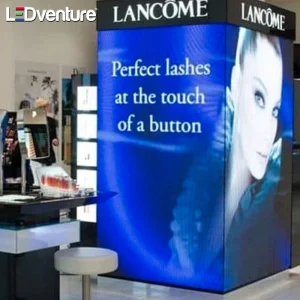
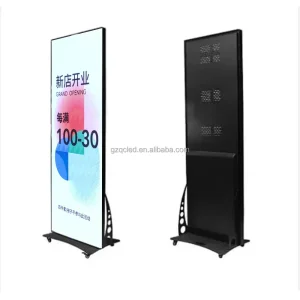
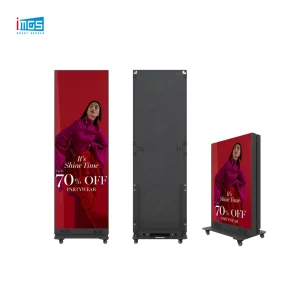
Hot Sell LED Poster Display P2 Events Screen
Hot Sell LED Poster Display P2 Events Screen Commercial Retail Standing Advertising LED Display Screen
View Technical Details
Full Color Indoor Outdoor Advertising Rental Curved Digital Mobile Flexible SMD Poster
Full Color Indoor Outdoor Advertising Rental Curved Digital Mobile Flexible SMD Poster Window TV LED Screen Display with P1.2 P1.8 P2.5 P3 P4 Price
View Technical Details
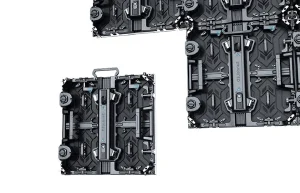
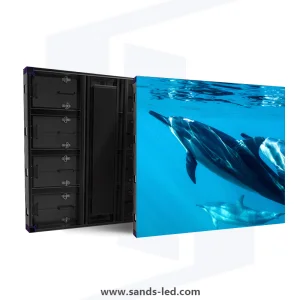
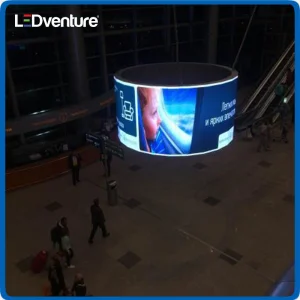
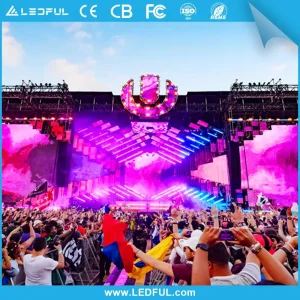
P2.9 OEM ODM Outdoor Rental Full Color SMD Curved Digital Advertising Stage Video Wall
P2.9 OEM ODM Outdoor Rental Full Color SMD Curved Digital Advertising Stage Video Wall LED Sign Billboard Panel Screens Display
View Technical Details
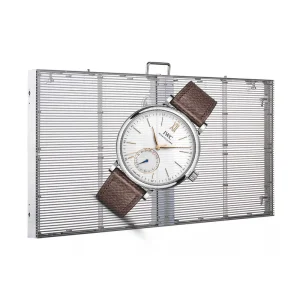
Factory Wholesale Window Glass Indoor LED Display Screen P7.81 P10.41 Transparent LED Wall
View Technical Details
P6.2 16 Scan Good Waterproof Effect Outdoor Fixed LED Display Screen Billboard
P6.2 16 Scan Good Waterproof Effect Outdoor Fixed LED Display Screen Billboard with High Performance
View Technical Details
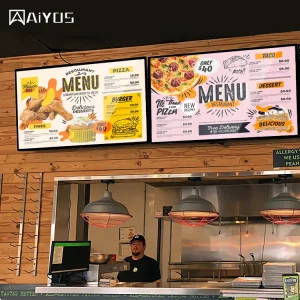
Indoor 43 Inch High Brightness Mini LED Local Dimming Digital Signage
Indoor 43 Inch High Brightness Mini LED Local Dimming Digital Signage Advertising Display
View Technical Details
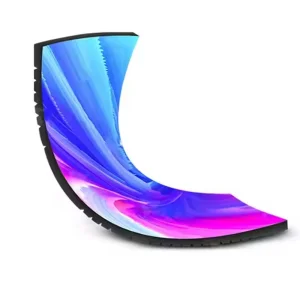
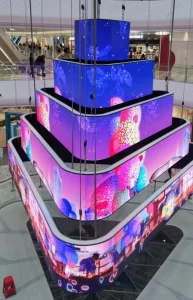
Flexible P4 Indoor Outdoor Curved LED Display Screen
View Technical Details
Outdoor Full Color Fixed P4.81 LED Advertising Digital Screen Display Billboard
View Technical Details

Shenzhen Aras LED Co., Ltd. (LUMIVIS): Defining the Frontiers of Optoelectronic Engineering

In the highly competitive global landscape of Digital Out-of-Home (DOOH) advertising and industrial display systems, Shenzhen Aras LED Co., Ltd. (operating under the global brand LUMIVIS) stands as a premier manufacturer and exporter. Strategically headquartered in Shenzhen, China—the undisputed global epicenter of optoelectronic innovation and supply chain density—we specialize in the design, engineering, and mass production of high-performance LED display systems.

Our mission goes beyond basic manufacturing; we aim to engineer tangible, long-term value for system integrators, advertising networks, municipal planners, and architectural firms worldwide. By merging cutting-edge semiconductor packaging technologies with robust mechanical engineering, LUMIVIS delivers displays that offer superior color accuracy, exceptional thermal management, and industry-leading energy efficiency.

"A digital billboard is not merely a screen; it is a critical commercial asset. Its value is measured in uptime, color consistency over years of UV exposure, and the lowest possible Total Cost of Ownership (TCO)."
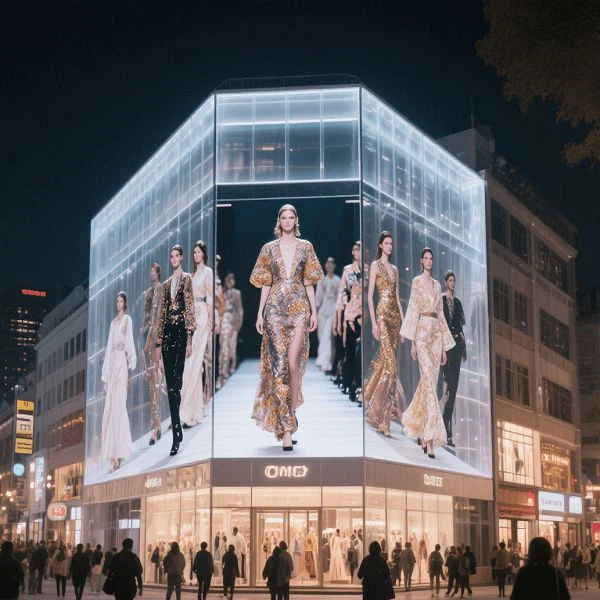
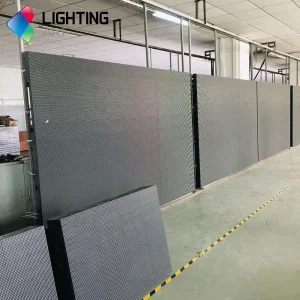
LUMIVIS LED Display Production Facility and Assembly Line

30,000㎡

Monthly Capacity

1-10 Days

Agile Lead Time

72 Hours

Continuous Aging Test

100%

AOI & Thermal Calibrated

Global DOOH & Digital Billboard Industry Trends (2025–2030)

Understanding the technological shifts reshaping the global advertising landscape is crucial for strategic procurement.

1. The Rise of Fine Pixel Pitch (FPP) Outdoor Displays

Historically, outdoor billboards relied on pixel pitches ranging from P10 to P16. Today, the market is rapidly shifting toward P4, P3, and even P2.5 outdoor systems. This transition is driven by the demand for high-definition visual content close to pedestrian areas, transit hubs, and retail storefronts, requiring advanced SMD (Surface Mounted Device) and GOB (Glue on Board) encapsulation to protect fragile pixels from physical impact and moisture ingress.

2. Common Cathode Energy-Saving Architecture

With rising global energy costs and stringent municipal carbon regulations, energy efficiency is no longer optional. Traditional Common Anode designs supply a uniform voltage to red, green, and blue LED chips, wasting energy as heat. Modern high-efficiency billboards utilize Common Cathode technology, supplying dedicated, optimized voltages to each color diode. This reduces power consumption and heat generation by up to 30-40%, significantly extending the display's lifespan.

3. Programmatic DOOH & Smart IoT Integration

Modern digital billboards are no longer isolated display loops. They are intelligent, connected IoT devices integrated with programmatic advertising platforms, ambient light sensors, and audience analytics cameras. Real-time data feeds allow displays to adjust brightness dynamically based on weather conditions, change content based on demographic triggers, and report diagnostic health metrics (pixel failures, temperature spikes, power supply status) instantly to centralized NOCs (Network Operations Centers).
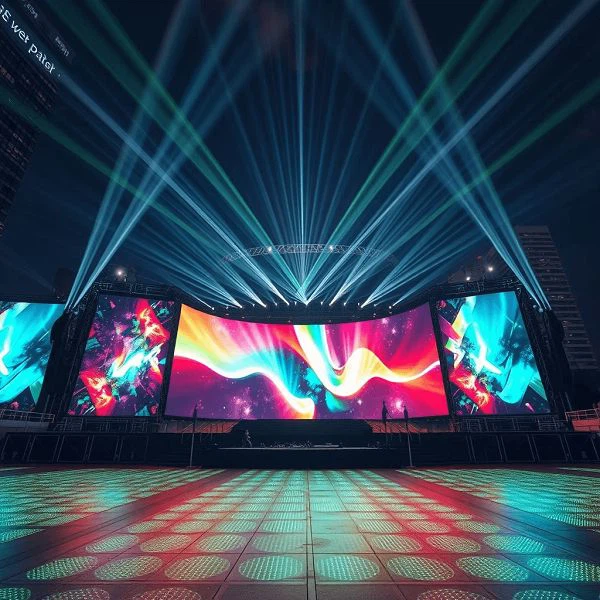
LUMIVIS Custom LED Display Solutions and Showroom Showcase

Global Procurement Challenges & Enterprise Buyer Intent

For enterprise buyers, procurement directors, and engineering leads, sourcing digital billboards involves navigating a complex web of technical specifications and operational risks. The primary objective is to select a supplier capable of mitigating these risks through rigorous engineering standards and transparent supply chain practices.

Key procurement considerations include:

  • Ingress Protection (IP Ratings): Outdoor installations require a minimum of IP65 front and rear protection to withstand heavy rain, dust storms, and coastal humidity. High-end systems utilize IP67 or IP68 sealed aluminum modules.
  • Electromagnetic Compatibility (EMC): Digital billboards generate significant electromagnetic waves. Suppliers must provide certified Class A or Class B EMC designs to prevent interference with local telecommunication networks and emergency services.
  • Structural Wind Load Engineering: Large-scale outdoor billboards act as massive sails. The mechanical design of the cabinet must support robust anchoring and structural calculations capable of withstanding hurricane-force winds.

China Industry 4.0: Supply Chain Resilience & Efficiency

How LUMIVIS leverages the world's most advanced optoelectronic ecosystem to deliver unmatched reliability and speed.

The Shenzhen Advantage: Unparalleled Ecosystem Integration

The manufacturing facility of Shenzhen Aras LED Co., Ltd. is strategically situated within the core optoelectronic cluster of Shenzhen. This geographical positioning grants us immediate access to premium raw materials, advanced semiconductor packaging facilities, and specialized logistics networks. By eliminating long-distance shipping of sub-components, we reduce lead times and minimize the carbon footprint associated with production.

Our monthly production capacity of 30,000 square meters is supported by fully automated SMT (Surface Mount Technology) lines, robotic cabinet assembly systems, and AI-driven quality control stations. This high level of automation ensures that whether a client orders a single custom creative display or hundreds of standard outdoor cabinets for a nationwide media rollout, the physical and electrical characteristics of every module remain identical.

Furthermore, our agile production framework allows us to achieve an industry-leading lead time of 1 to 10 workdays for standard configurations. This speed enables our clients to capture sudden market opportunities, replace damaged infrastructure rapidly, and maintain high operational uptime.

Engineered Supply Chain Resilience

To protect our global clients from volatile semiconductor markets and logistics bottlenecks, LUMIVIS maintains strategic reserves of critical components, including:

  • Premium LED Diodes: Nationstar, Kinglight, and Cree chips for superior color consistency and low decay rates.
  • High-Performance Driver ICs: Macroblock and Chipone constant-current drivers supporting high refresh rates (≥3840Hz) and high grayscale depths.
  • Industrial-Grade Power Supplies: Mean Well and G-Energy units with built-in over-voltage, over-current, and thermal protection.
  • Advanced Control Systems: Seamless integration with NovaStar, Colorlight, and Brompton processing architectures.

Full-System Quality Control: The Zero-Tolerance Protocol

Every module, cabinet, and system undergoes a multi-stage testing regimen to guarantee flawless field performance.

AOI Automated Optical Inspection

Before leaving the SMT line, every PCB undergoes Automated Optical Inspection. High-resolution cameras scan thousands of solder joints per second, detecting component misalignment, solder bridges, and tombstoning with microscopic accuracy.

Thermal Cycling & Environmental Stress

Our modules are subjected to extreme thermal cycling tests ranging from -30°C to 60°C. This process accelerates potential material fatigue, ensuring that the differences in thermal expansion coefficients between the plastic mask, PCB, and aluminum cabinet do not cause mechanical failure in the field.

72-Hour Continuous Aging Test

Infant mortality of electronic components is a well-documented phenomenon. To eliminate this risk, every completed display system undergoes a continuous 72-hour burn-in test. The display is run at maximum brightness, cycling through solid primary colors, high-contrast patterns, and rapid video loops to stress-test the power supplies and driver ICs.

Bespoke Engineering & Localized Application Scenarios

Every architectural space, municipal zone, and commercial venue presents unique physical and environmental challenges. A one-size-fits-all approach to digital signage often leads to sub-optimal visual performance, structural complications, or premature hardware failure. At LUMIVIS, we collaborate directly with client engineering teams to deliver fully customized solutions.

Our customization capabilities include:

  • Bespoke Cabinet Geometries: Right-angle, curved, double-sided, and ultra-thin profiles designed to integrate seamlessly into building facades, columns, and creative retail spaces.
  • Optical Optimization: Tailoring brightness levels (up to 10,000 nits for direct sunlight environments), contrast ratios, and viewing angles to match specific ambient light conditions.
  • Control System Integration: Designing redundant signal and power paths to ensure continuous operation in mission-critical environments like transit hubs and sports stadiums.

Targeted Application Scenarios

Our diverse product portfolio is engineered to excel across various high-value industries:

  1. High-Traffic Transit Hubs: Ultra-reliable, low-latency displays for airports, subway stations, and highway gantries requiring continuous 24/7 operation and strict EMC compliance.
  2. Luxury Retail & Flagship Stores: High-brightness transparent LED walls and fine-pitch indoor displays that preserve natural light while delivering high-impact visual branding.
  3. Sports Arenas & Stadiums: Large-format perimeter banners and central scoreboard video walls featuring high refresh rates to ensure flicker-free performance on live television broadcasts.
  4. Live Events & Rental Markets: Lightweight, modular magnesium-alloy cabinets equipped with quick-lock mechanisms for rapid assembly, disassembly, and transportation.

Technical & Procurement FAQ

Expert answers to the most common technical questions asked by systems integrators and procurement directors.

What is the difference between Common Cathode and Common Anode LED technology?
In a traditional Common Anode setup, a single positive voltage is supplied to the red, green, and blue LED chips. Because red LEDs require less voltage than blue and green ones, the excess voltage is dissipated as heat, leading to energy waste and higher operating temperatures. Common Cathode technology separates the power supply paths, delivering optimized voltages (typically 2.8V for red and 3.8V for blue/green) directly to each diode. This reduces power consumption by up to 40% and lowers heat generation, extending the display's overall lifespan.
How do I determine the optimal pixel pitch for my digital billboard project?
The optimal pixel pitch is primarily determined by the minimum viewing distance of your audience. A standard industry rule of thumb is 1 millimeter of pixel pitch for every 1 meter of viewing distance. For example, a P4 display (4mm pitch) is ideal for viewing distances of 4 meters or more, while a P10 display is best suited for long-range viewing distances of 10 meters or more, such as high-altitude highway billboards.
What ingress protection (IP) rating is required for harsh outdoor environments?
For standard outdoor installations, we recommend a minimum rating of IP65 for both the front and rear of the cabinet. This ensures complete protection against dust ingress and low-pressure water jets from any direction. For extreme environments, such as coastal areas prone to typhoons or high-humidity tropical zones, we offer premium cabinets with IP67 or IP68 ratings, featuring fully sealed aluminum modules and waterproof connectors.
Why is refresh rate critical for digital billboards, and what is the standard?
The refresh rate, measured in Hertz (Hz), represents the number of times per second the LED screen updates its image. A low refresh rate (e.g., 1920Hz) can cause visible flickering, horizontal scan lines, and color distortion when captured on camera or mobile phone screens. For professional advertising and broadcast applications, we utilize high-end driver ICs that deliver a refresh rate of ≥3840Hz, ensuring smooth, flicker-free video playback and excellent performance under camera lenses.
How does LUMIVIS ensure color uniformity across large-scale video walls?
Color uniformity is achieved through a combination of strict component sorting and advanced calibration. We source LED chips from single production batches to ensure consistent binning (wavelength and brightness). During final assembly, we perform pixel-by-pixel calibration using high-precision spectroradiometers. This process adjusts the brightness and chromaticity coordinates of every individual pixel, resulting in a perfectly uniform image across the entire display surface.

Explore Our Full Range of Export-Grade LED Displays

From transparent glass walls to high-definition rental panels, find the perfect hardware configuration for your next project.
P3.9-7.8 High Brightness Transparent LED Screen Display
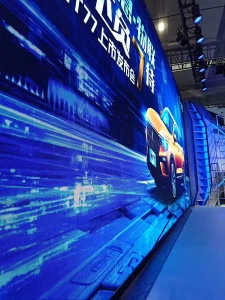
P3.9-7.8 High Brightness Transparent LED Screen Display, Glass Window LED Transparente Video Wall
View Technical Details
75 Inch Museum Transparent Screen Tube Human Size Digital Box
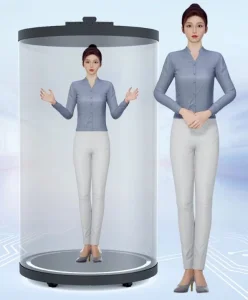
75 Inch Museum Transparent Screen Tube Human Size Digital Box Holographic Exhibition Display 3D Hologram Virtual Ai
View Technical Details
P2 Indoor LED Display Portable Standing LED Poster
P2 Indoor LED Display Portable Standing LED Poster Advertising Panel Screen
View Technical Details
Adhesive Advertising Digital Billboard LED Flexible Video Wall
Adhesive Advertising Digital Billboard LED Flexible Video Wall Soft Curved Curtain Transparent Display for Subway Station
View Technical Details
Outdoor Full Color LED Display Stadium Sport Live High Brightness
Outdoor Full Color LED Display / Stadium Sport Live High Brightness Large LED Screen/ Advertising LED Video Wall
View Technical Details
High Definition Vertical LED Poster Screen Interactive Portable
High Definition Vertical LED Poster Screen Interactive Portable Smart Indoor Advertising Display
View Technical Details
P2 P3 P3.91 P4 P4.81 P5 P6 P10 mm High HD Stage Advertising Full Color Rental
P2 P3 P3.91 P4 P4.81 P5 P6 P10 mm High HD Stage Advertising Full Color Rental Panel Indoor Wall Video Outdoor LED Display Screen
View Technical Details
Advertising Curved LED Display Flexible LED Display
Advertising Curved LED Display Flexible LED Display P2.0, P2.5, P3, P4 Soft LED Video Screen
View Technical Details