Deploy high-impact visual technology customized for Namibia's solar exposure, maritime logistics, and high-contrast environments.
Namibia is rapidly scaling its position as a strategic economic gateway in the Southern African Development Community (SADC) region. Driven by large-scale infrastructural expansions in Windhoek, the maritime logistics capacity boost at the Walvis Bay Port, and the burgeoning real estate and tourism corridors along the coastal strip of Swakopmund, modern visual infrastructure has transitioned from a luxury to an operational necessity. Traditional projection and low-luminance LCDs no longer meet the rigorous demands of Namibia's enterprise landscape, paving the path for high-performance MiniLED systems.
MiniLED display technology, powered by dense arrays of sub-millimeter light-emitting diodes, offers superior local dimming zones, ultra-high contrast ratios, and exceptional peak brightness (exceeding 2,500 nits). For Namibian businesses, this means unmatched readability under the high solar radiation characteristic of the Kalahari and Namib desert climates. From control rooms in regional mining fields to digital out-of-home (DOOH) networks in capital shopping malls, MiniLED provides the raw visual performance, operational resilience, and energy conservation required by local infrastructure operators.
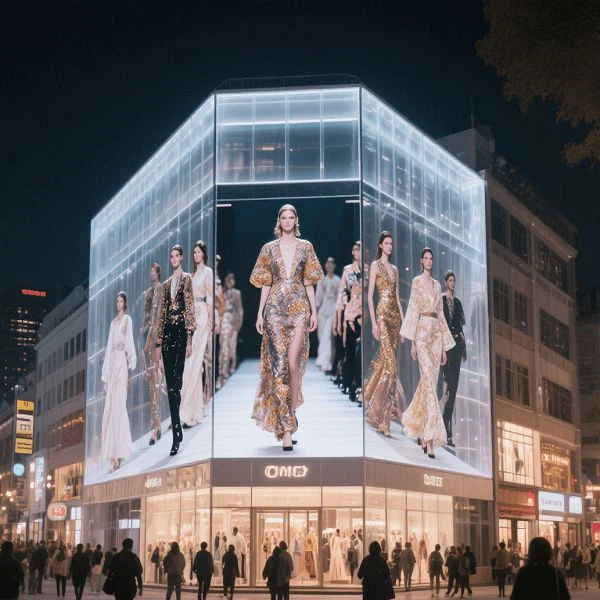
Namibia presents unique operational challenges for electronic equipment. The harsh, high-UV solar radiation in interior towns like Windhoek, combined with the airborne dust particles from the desert sands and the highly corrosive, salt-heavy atmosphere of coastal Walvis Bay, requires heavy-duty design profiles. Standard displays deployed in these areas quickly deteriorate due to yellowing, thermal runaway, and salt-fog ingress.
As a seasoned supplier, our MiniLED products are optimized for these exact environmental stress factors:
Shenzhen Aras LED Co., Ltd. Factory is located in the China International Metro city-Shenzhen. As a global supplier of LED Display screens, LUMIVIS aims to create added value for customers around the world. We bridge the gap between advanced Chinese manufacturing capabilities and localized requirements in the Southern African market.
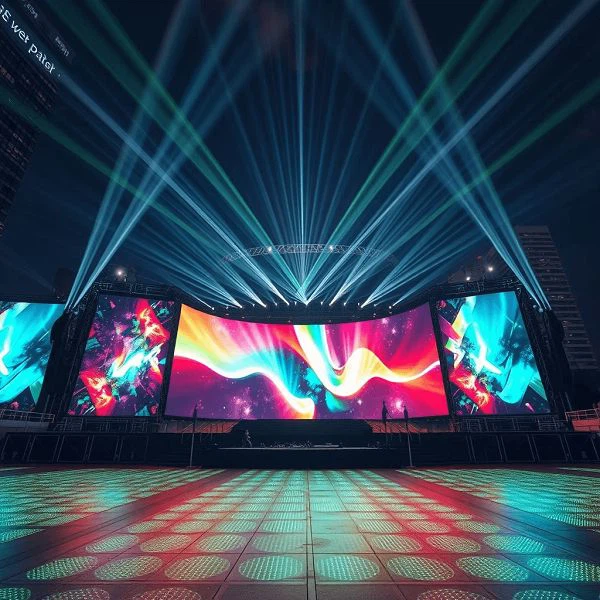
Our LED display production facility is equipped with complete manufacturing and testing lines, including module assembly, cabinet fabrication, aging testing, and final system inspection. With in-house capabilities, we ensure consistent quality from single-unit orders to large projects. Our strategic position in Shenzhen allows us to source premium materials and dispatch units efficiently through global logistics routes.
Factory Capacity & Production Capability:
To assure long-term reliability in regional installations across Windhoek and coastal mining ports, our factory employs systematic quality verification at every production stage:
We provide all kinds of LED Products, including Indoor and Outdoor LED Display, Rental LED displays, Flexible LED displays, Floor LED screens, All-in-One machines, Digital Signage, etc. Every project has unique visual demands; we adapt parameters to fit local integration goals.
Custom pixel pitches, resolution settings, cabinet dimensions, and structural rigging configurations tailored to specific installation spaces.
Seamless compatibility with Novastar, Colorlight, and Android-based cloud media systems for remote, centralized content management across regional networks.
Complete custom chassis color match, screen-printed logo integration, and hardware changes according to regional agency requirements.
Integrated wide-voltage power supplies (90-264V) with built-in surge protection to handle local grid instability and power fluctuations.
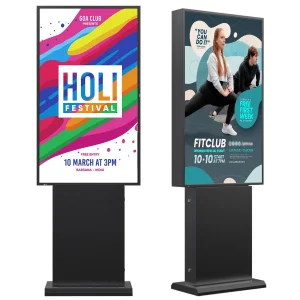
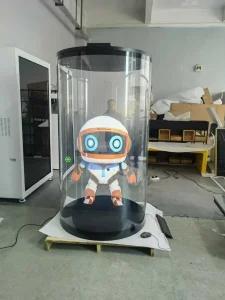
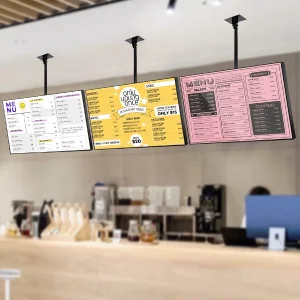
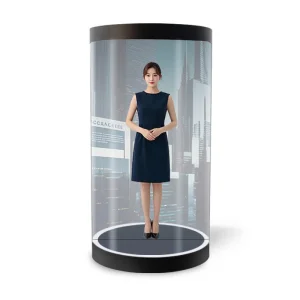
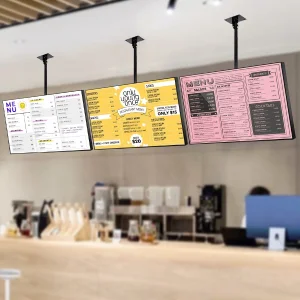
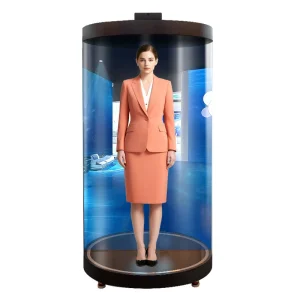
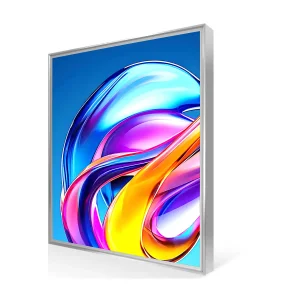
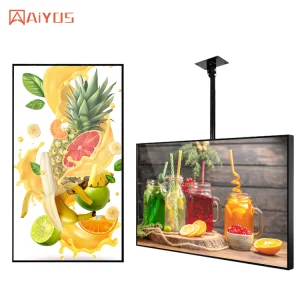
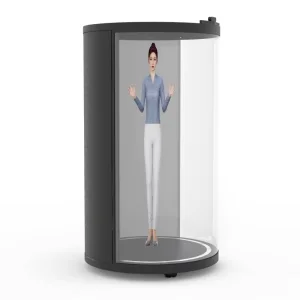
Explore our complete range of high-resolution digital displays, ultra-thin screens, and AI holographic systems engineered for commercial galleries, dining venues, and exhibitions.
Acquiring large-scale visual systems from China requires a transparent logistical framework and absolute regulatory alignment. At Shenzhen Aras LED, we provide seamless factory-to-port solutions specifically mapped for the Namibian trade architecture. We coordinate shipping protocols from Shenzhen Port directly to the Port of Walvis Bay, ensuring optimal ocean freight schedules that minimize capital transit times.
We supply comprehensive technical documentation to satisfy SADC certificate of origin guidelines and local SACU customs codes. Our export teams coordinate directly with Namibian customs clearing agents, preparing invoice documentation, detailed Bill of Lading sheets, and safety inspection certificates (such as CE, FCC, RoHS, and IEC standards) to eliminate customs delays at point of entry.
The global display sector is experiencing a massive consolidation around local dimming architectures. MiniLED is currently positioned as the ideal technology for heavy-use visual applications. By scaling down the physical size of individual LEDs, manufacturers can increase the total density of the backlight, resulting in superior color range, higher peak brightness, and longer service life compared to traditional light guide plate (LGP) systems.
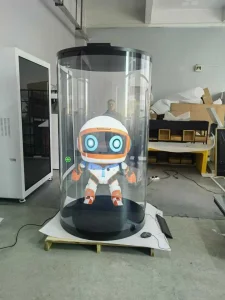
In the Namibian market, we observe a growing interest in combining interactive AI software with 3D Holographic displays (like the AI Holotube Cylinders featured in our catalog). Companies in Windhoek's financial services district and Swakopmund's high-end tourism resorts are installing these systems to act as virtual receptionists, digital concierges, and unique branding features. Selecting a partner that provides integrated software-hardware compatibility ensures that these complex systems remain functional and easily updatable over long-term deployments.
Expert answers regarding installation, shipping, climate resilience, and localized technical support.
Namibia experiences some of the highest solar irradiance levels globally. Standard LCDs suffer from washout and lack the necessary contrast, while basic LEDs can suffer from lower resolution at close distances. MiniLED displays utilize thousands of miniature light sources grouped into hundreds of local dimming zones, producing high peak brightness (exceeding 2,500 nits) and deep blacks. This ensures excellent readability under intense direct sunlight, while using less power.
For maritime or coastal environments like Walvis Bay, we apply a marine-grade anti-corrosion coating to all internal circuit boards (PCBA conformal coating). The physical housings are constructed using anti-oxidation aluminum alloys, and we use stainless steel fasteners (grade 316) to prevent rusting. Cabinet doors feature dual-seal industrial rubber gaskets to block humid, salt-laden air.
Most orders ship directly from Shenzhen Port via ocean freight to the Port of Walvis Bay. Transit times generally range from 35 to 45 days. We provide comprehensive export documentation, including commercial invoices, packing lists, CE/RoHS certificates, and SADC declarations of origin, facilitating smooth customs clearance through local Namibian agencies.
Yes, our MiniLED systems integrate with leading industry control platforms (like Novastar, Colorlight, or built-in Android-based media players). This allows users in Windhoek to upload, schedule, and monitor media content on screens deployed anywhere in Namibia via a secure web browser or mobile application.
To protect displays from voltage drops and surges, we equip our Namibian-spec units with high-tolerance power supplies (90-264V range) and built-in surge suppressors. We also recommend incorporating an external UPS or voltage regulator for installations in areas with unstable power grids to ensure long-term system health.
 Aras LED