In today's corporate landscape, engaging audiences effectively is crucial. LED screens serve as a powerful tool in this realm. Bruce Thompson, an expert in event technology, once stated, "The right visuals can make or break an event." This highlights the importance of knowing how to use LED screens for corporate events.
When integrating LED screens, clarity and size matter. Large displays ensure every attendee sees the content, and high resolution enhances details. Consider placement carefully to maximize visibility. Interactive elements can also boost engagement. However, it's essential to match the screen's content with the audience's interests. Otherwise, it can lead to a disconnect.
Yet, challenges can arise. Technical issues may disrupt the flow of presentations. It's vital to conduct pre-event tests to avoid this. Additionally, overloading screens with information can overwhelm viewers. Finding a balance between visual impact and clarity is necessary for success. As companies navigate this technological facet, careful planning can enhance overall event experience.
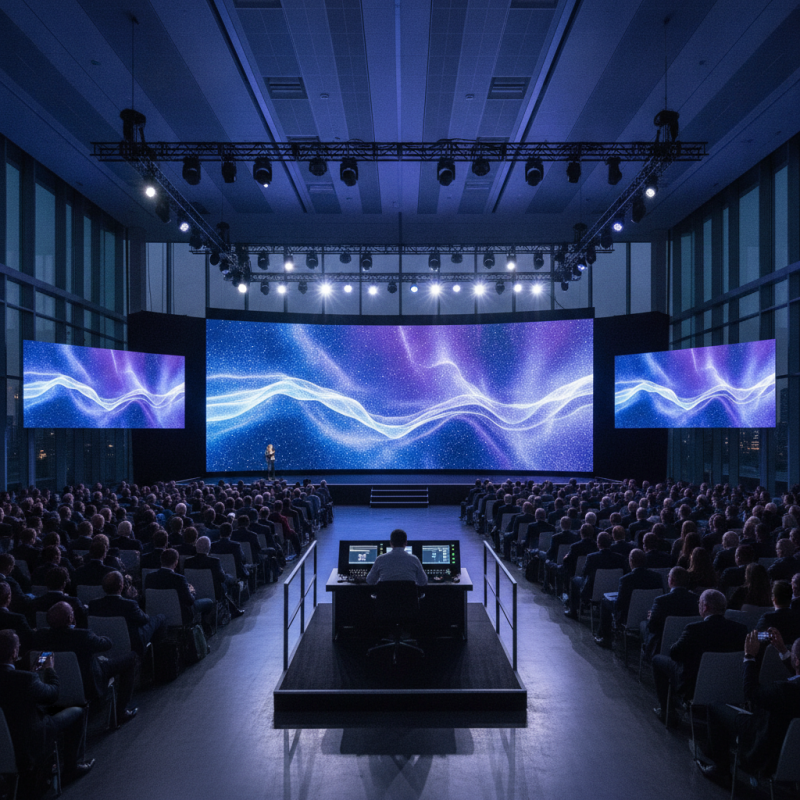
LED screens play a crucial role in corporate events. They capture attention and enhance the overall experience. These screens offer flexibility and can display various content types, from presentations to videos. The bright visuals draw guests in and keep them engaged. Their versatility allows companies to customize messages for different audiences and events.
Incorporating LED screens requires careful planning. Poor placement can hinder visibility and impact message delivery. It’s essential to consider the venue's layout. A large screen may overwhelm a small space, while a small screen might get lost in a grand hall. This mismatch can lead to missed information and disengaged attendees.
Content also matters. Flashy graphics can distract rather than inform. Striking a balance between visual appeal and clarity is important. Testing the setup before the event helps to identify potential issues. Feedback from previous events can guide improvements. Continuous assessment and adaptation lead to better outcomes for future gatherings.
When planning corporate events, choosing the right type of LED screen is crucial. Different formats require different solutions. For outdoor events, high-brightness LED screens work best. They offer visibility under sunlight, ensuring that guests can see presentations clearly. These screens are often mounted on trailers, making them easy to set up.
For indoor events, options like transparent LED displays are increasingly popular. They provide a stunning visual effect while allowing light to filter through. This feature can enhance the overall ambiance of the space. Additionally, modular screens can be customized to fit various layouts. They allow for flexibility in design but may require more technical support during installation.
Considering video walls, these can transform any venue. They create immersive experiences for attendees. However, they can be expensive and complex to set up. Using the right screen for your event format can truly elevate the experience. It's essential to assess your venue and audience needs closely. The choice of LED screen impacts engagement and overall event success.
Choosing the right LED screen vendor is crucial for any corporate event. A recent industry report highlights that 72% of event planners believe screen quality impacts attendee engagement. This statistic underscores the importance of selecting a reliable vendor. Look for experience. Vendors with a strong track record ensure that equipment and setup are handled professionally. Longevity in the industry often correlates with knowledge about various event types.
Assessing technical support is vital too. The best vendors provide on-site assistance during events. According to a survey, 68% of planners reported technical issues negatively impacted their events. Reliable vendors often have contingency plans in place. It's also helpful to evaluate past projects. Reviewing previous events can reveal the vendor’s adaptability and creativity. Seek feedback from previous clients. Personal recommendations often speak volumes about a vendor's reliability.
Cost considerations should not undermine quality. The cheapest option might save money initially but could lead to failures. Approximately 50% of planners noted that low-quality screens detracted from their event's success. Thus, weighing cost against potential impact is essential. A careful selection process can make all the difference in the effectiveness of an LED screen at corporate events.
Integrating LED screens into corporate events can significantly enhance visual impact and guest engagement. According to industry reports, events incorporating LED technology see increases in attendee satisfaction by about 30%. It's essential to consider screen placement. Ideally, screens should be positioned for maximum visibility. This ensures that all attendees can view key messages and imagery without obstruction.
Tip: Prioritize larger screens for high-traffic areas. These spaces benefit from lively displays that draw in attendees.
Content matters just as much as placement. High-resolution visuals capture attention but ensure the message is concise. Bulky information can overwhelm viewers. The best results come from striking visuals paired with minimal text. A recent survey revealed that nearly 70% of attendees prefer clarity over complexity in visual presentations.
Tip: Test images before the event to ensure clarity and vibrancy in your specific venue lighting.
Reflection is necessary too. Over-reliance on technology can backfire. It's important to balance LED displays with interactive elements. Attendees should not only observe but also engage with the content. This creates a more memorable experience.
When planning corporate events, LED screens play a pivotal role. Optimizing their performance requires attention to details. A recent report from the Audio Visual and Integrated Experience Association (AVIXA) highlighted that 80% of attendees find visuals crucial for engagement.
Proper installation is key. The brightness and resolution must match the venue’s environment. For outdoor events, screens should have at least 5,000 nits of brightness. Indoor displays can operate with lower brightness, around 1,000 nits. Calibration is essential to ensure color accuracy. If misaligned, the visuals can appear dull or washed out.
Connectivity issues can disrupt the flow of an event. Research shows that 30% of technical difficulties stem from poor connections. Testing all equipment beforehand is critical. Backup devices should be on standby in case of failure. Attendees expect seamless presentations. Any glitch can detract from the experience.
Focusing on these details can elevate the overall impact of corporate events, but it requires continuous reflection and improvements.
: High-brightness LED screens are ideal for outdoor events. They ensure visibility in sunlight.
They create stunning visuals while allowing natural light, enhancing the venue's ambiance.
Modular screens offer customization for various layouts, adding flexibility but needing technical support.
Video walls create immersive experiences but can be expensive and complex to set up.
Screen placement is crucial. Proper positioning maximizes visibility for all attendees.
Content must be high-resolution and concise. Too much information can overwhelm viewers.
Most attendees favor clarity. Concise messages with striking visuals are more effective.
Over-relying on screens can detract from engagement. Balance with interactive elements is vital.
Testing ensures clarity and vibrancy in the unique lighting of the venue on the event day.
Events using LED technology report up to a 30% increase in attendee satisfaction levels.
In the realm of corporate events, understanding how to use LED screens effectively can significantly enhance audience engagement and visual communication. These screens serve various roles, from displaying presentations to creating immersive environments. Different types of LED screens, such as indoor and outdoor models, cater to various event formats, ensuring clarity and impact regardless of the setting.
When selecting an LED screen vendor, key factors such as reliability, customer support, and technology compatibility should be prioritized. Best practices for integrating LED screens into event design include ensuring they complement the venue's aesthetic and functionality. Finally, to guarantee optimal performance, tech tips such as checking connections and adjusting settings prior to the event are essential. Overall, mastering how to use LED screens for corporate events can elevate the overall experience and effectiveness of presentations.

Aras LED