In 2026, the rise of transparent LED walls is undeniable. Industry reports indicate a market growth of over 30% annually. This surge showcases why transparent LED walls are trending in various sectors, including retail and events. These walls blend aesthetics with functionality. They allow visibility while delivering vibrant visuals.
Moreover, their lightweight construction and energy efficiency appeal to many businesses. According to a study by Grand View Research, 70% of companies report enhanced customer engagement using these displays. They provide unique advertising solutions and support immersive experiences. Yet, challenges remain.
Not all installations achieve the desired effect. Some users face difficulties with viewing angles and brightness under direct sunlight. Companies must explore these limitations while integrating this technology. As the transparent LED market matures, ongoing innovation and reflective learning will be essential for optimal results.
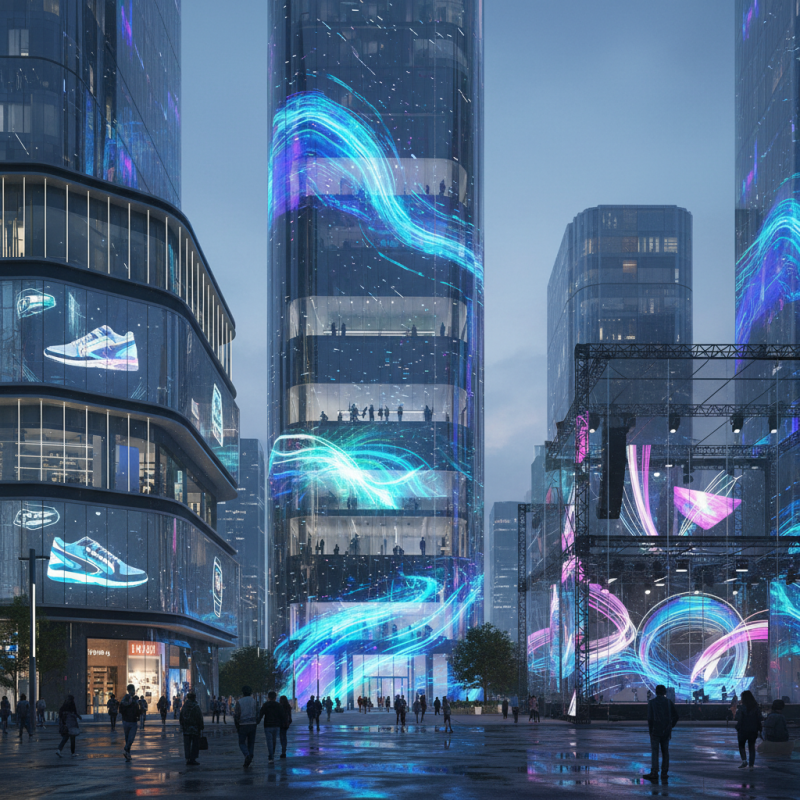
The Evolution of Transparent LED Wall Technology
The evolution of transparent LED wall technology has transformed the visual landscape in 2026. Reports indicate a staggering market growth, reaching an estimated $3 billion this year. Industries are rapidly adopting these displays for their striking aesthetics and functionality. Transparent LED walls allow for immersive experiences without obstructing views, making them ideal for retail, exhibitions, and event spaces.
Recent data shows a 40% increase in demand for transparent displays, particularly in urban areas. Their lightweight design and energy efficiency cater to modern architectural needs. However, manufacturers face challenges with image quality in bright environments. Some users express concerns about durability and maintenance costs. These issues highlight the need for ongoing innovation in material and technology.
Consumer preferences are shifting towards these interactive displays. A survey revealed that over 70% of consumers are attracted to stores featuring transparent LED walls. Yet, many brands struggle to balance high costs with effective deployment. As technology advances, manufacturers must focus on reliability and enhanced performance. Transparent LED walls are not without flaws, but their potential is undeniable in reshaping the way we engage with our surroundings.
Key Advantages of Transparent LED Walls in Modern Applications
Transparent LED walls have gained significant traction in 2026 due to their unique advantages in various applications. These walls provide an innovative way to display visual content without obstructing views. Their design allows light to pass through, creating a visually striking effect. Businesses utilize them in retail settings, enhancing window displays without blocking the storefront. The ability to showcase vibrant advertisements while retaining transparency makes them appealing.
Another key advantage is their lightweight nature. This feature allows for versatile installations, whether indoors or outdoors. Events and exhibitions benefit greatly from the ease of setup. The flexibility in design fosters creativity, enabling compelling visual narratives. Transparent LED walls are also energy-efficient. Users can expect lower electricity costs while still experiencing high-quality visuals. However, the technology may come with some challenges, such as visibility under direct sunlight.
Durability is another concern. Environmental factors can impact performance. Regular maintenance is necessary to ensure longevity. Hence, users must weigh the pros and cons. Despite these potential drawbacks, the impact of transparent LED walls is undeniable. They blend aesthetics and functionality in ways traditional displays cannot.
Impact of Transparent LED Walls on Advertising and Marketing
Transparent LED walls have reshaped the landscape of advertising and marketing in 2026. According to a recent report by MarketsandMarkets, the global market for transparent displays is projected to reach $7.5 billion by 2027. This rapid growth can be attributed to their unique ability to blend seamlessly into environments while delivering high-quality visual content. Brands utilize these displays to captivate audiences without obstructing sightlines or ambiance.
Marketers are taking notice. Surveys indicate that over 70% of consumers are more likely to engage with advertisements displayed on transparent LED walls. This engagement is largely due to the interactive features that allow for real-time updates. Such flexibility means that campaigns can be adjusted instantly based on viewer feedback and analytics.
However, challenges remain. Not all environments are suited for these displays, and excessive brightness can sometimes distract rather than attract.
Despite some drawbacks, the impact of transparent LED walls on brand visibility is undeniable. They offer fresh opportunities in crowded markets. With proper planning and location scouting, brands can enhance visibility while efficiently communicating their messages. As this technology evolves, ongoing research is essential to maximize its potential in advertising strategies.
Case Studies: Successful Implementations of Transparent LED Walls
In 2026, transparent LED walls gained immense popularity across various sectors. One notable implementation is in retail environments. Stores use these walls to display dynamic advertisements while maintaining visibility into the shop. This creates an engaging experience for shoppers. For instance, a high-end fashion outlet installed a transparent wall. It showcased trending outfits without obstructing the store’s interior design, resulting in a noticeable increase in foot traffic.
Another successful case is in event installations. Concerts and festivals have adopted transparent LED walls to enhance stage design. These walls transmit visuals while allowing the audience to see the performers clearly. This combination draws crowds and amplifies the overall atmosphere. A major music festival reported higher ticket sales after incorporating this technology. Attendees appreciated the immersive experience and unique visuals.
Tips for effective use of transparent LED walls include careful placement and content selection. Ensure the visuals complement the environment. Too much clutter may overwhelm viewers. Also, test the brightness and transparency levels to find the perfect balance for visibility. Keep in mind that not every design will succeed; continuous feedback can lead to improvements.
Transparent LED Walls Popularity in 2026
Future Trends: Innovations Shaping Transparent LED Wall Design
Transparent LED walls, a cutting-edge technology, continue to gain traction in 2026. Their growing popularity is driven by innovative designs that prioritize aesthetics and functionality. Reports indicate that the global transparent display market is on track to reach $4.5 billion by 2027, with a compound annual growth rate of over 33%. This rapid growth reflects the rising demand for immersive experiences in various sectors, including retail, events, and corporate environments.
Future trends in transparent LED wall design focus on enhanced interactivity and energy efficiency. Users can now engage with these displays through gesture recognition and touch-sensitive technologies. Additionally, advancements in materials are yielding even lighter and more flexible panels. However, the challenge lies in balancing transparency with image quality. Too much transparency can compromise visibility, while insufficient clarity can deter usage.
Tip:
When designing with transparent LED walls, consider ambient lighting. Bright environments can undermine the display's effectiveness. Striking a balance is essential for maximizing visibility.
Additionally, consider integration with existing architecture. Seamless blending with surroundings enhances the overall aesthetic. Yet, it's crucial to test designs in real-world scenarios. Misalignment with user expectations can lead to disappointment. Small setbacks can offer valuable insights for improving future designs.
Conclusion
Transparent LED walls have gained immense popularity in 2026 due to their innovative technology and versatile applications. The evolution of this technology has led to significant advancements in design and functionality, enabling seamless integration into various environments. Key advantages include high visibility and efficient space utilization, making these walls ideal for both commercial and artistic displays.
Moreover, the impact of transparent LED walls on advertising and marketing has been profound, providing brands with dynamic and engaging platforms to reach their audiences. Numerous case studies highlight successful implementations across different sectors, showcasing their effectiveness in enhancing customer experiences. As we look ahead, future trends indicate continuous innovations that will further shape the design and capabilities of transparent LED walls, clarifying why transparent LED walls are trending as a must-have solution in modern visual communication.

 Aras LED