What is Transparent LED Technology and How Does It Work?

Time:2026-07-26 Author:Amelia
0%

In recent years, technology has evolved significantly, leading us to an exciting innovation: transparent LED technology. But what is transparent LED technology? It refers to a new type of display that allows light to pass through while still showing images. This creates a unique aesthetic, blending digital displays seamlessly with their environment.

The appeal lies in its ability to be used in various applications. Imagine a building's windows adorned with vibrant ads, yet still allowing natural light to flood in. This idea challenges traditional marketing and design concepts. However, challenges remain in terms of visibility and efficiency. How can designers ensure that the technology does not obscure views?

Understanding the limitations of transparent LED technology is essential. Current models may not offer the same brightness or color accuracy as opaque displays. Balancing transparency and visibility requires careful consideration. Hence, while this technology shows tremendous potential, it also demands critical evaluation and improvement.
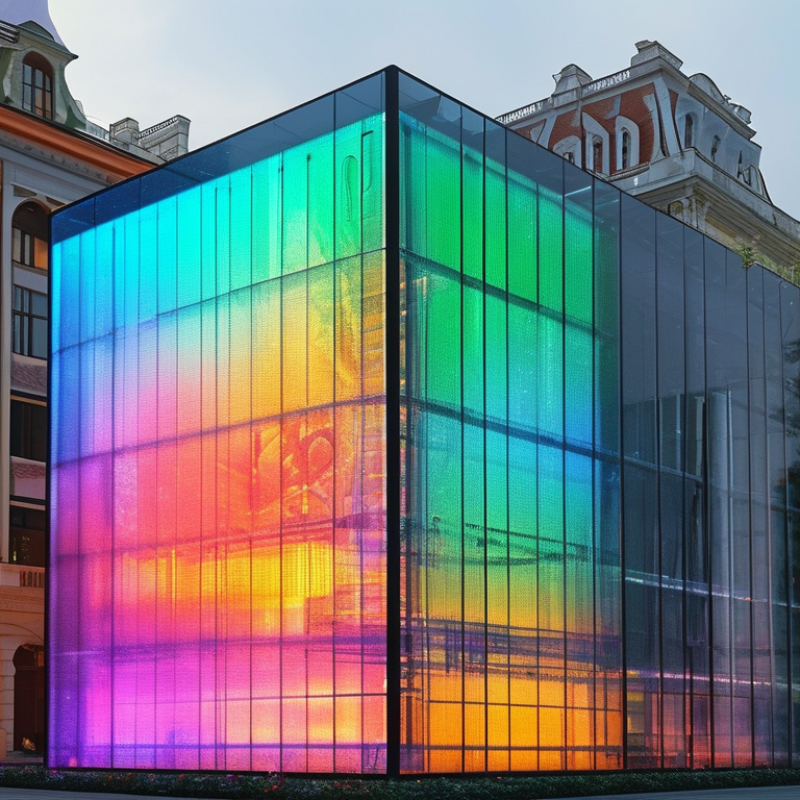
What is Transparent LED Technology and How Does It Work?

What is Transparent LED Technology?

Transparent LED technology is an innovative advancement in display solutions. It allows for the creation of displays that blend seamlessly with their surroundings. This technology provides a unique way to showcase images and videos while maintaining visibility through the screen. The result is a captivating visual experience that does not obstruct light or view.

The working principle behind transparent LED displays involves the use of high-density LEDs that emit light. These LEDs are mounted on a clear substrate, creating a less intrusive display. What makes them special is their ability to maintain transparency. Users can still see through the display while enjoying vibrant graphics. However, creating a balance between transparency and image quality can be challenging. In some cases, the brightness of the display may need adjustment to ensure optimal visibility.

Applications of transparent LED technology are diverse. Businesses use them for advertising in storefronts, allowing customers to view products while engaging with digital content. However, there are drawbacks. Installation can be complex, and costs may vary. The challenge is to ensure that the technology delivers high-quality visuals without compromising its foremost feature: transparency. As this technology evolves, we will see improvements in both performance and accessibility.

The Components of Transparent LED Displays

Transparent LED displays are fascinating innovations that offer a unique blend of technology and design. These displays allow light to pass through, maintaining visibility. They consist of several key components that contribute to their functionality and aesthetic appeal.

At the core are the LED chips, which emit bright light yet are designed to be transparent. These chips are strategically placed on a clear substrate, often made of glass or acrylic. This helps retain visibility from behind the display, making the technology ideal for storefronts and architectural applications. The driver circuitry plays a crucial role in managing how the LEDs illuminate, ensuring efficiency and brightness control.

Additionally, the processing unit handles the display's content. This unit receives signals and translates them into visual outputs, enhancing user interaction. However, achieving the right balance in brightness and clarity can be challenging. Factors like ambient lighting and viewing angles can affect performance. Awareness of these nuances is vital for optimizing transparent LED displays in various environments.

How Transparent LED Technology Works

Transparent LED technology represents a significant leap in display innovation. This technology uses transparent materials to create displays that blend seamlessly with their surroundings. The core idea is to transmit light through the display while simultaneously presenting visual content. By employing a matrix of tiny LED modules, images and videos can be viewed without obstructing views or natural light. This makes it ideal for storefronts, buildings, and exhibitions.

When it comes to functionality, transparent LEDs use a unique approach. They consist of layers of conductive material and light-emitting diodes. These components are engineered to allow light to pass through while still delivering vibrant visuals. The transparency allows for a dual-purpose design: it displays content while maintaining an open, airy feel. This feature poses a challenge, as achieving the right balance between visibility and transparency can be complex.

The technology also faces limitations. Environmental factors such as sunlight can wash out displays, making content harder to see. Designers must account for varying lighting conditions, which can introduce unpredictability. Furthermore, the cost of creating these specialized displays can be high. Despite these challenges, transparent LED technology continues to evolve, pushing the boundaries of traditional display methods.

Applications of Transparent LED Technology

Transparent LED technology is making significant strides across various industries. Its ability to blend seamlessly with glass surfaces opens new avenues for creativity and functionality. Architects can now design building facades that not only illuminate but also display vibrant visuals. Imagine a skyscraper that changes colors based on the time of day or reflects engaging ads while still allowing passersby to see through.

Retail spaces are also transforming with transparent LEDs. Stores can showcase products both inside and out, grabbing attention without obscuring the view. This technology enables dynamic displays that react to customer movements. However, achieving perfect transparency and bright light output is still a challenge. Designers often grapple with the balance between visibility and vibrancy.

In transportation, transparent LED screens are enhancing user experiences. Train stations and airports can use this technology to provide instant information. Yet, the clarity of the displays needs continuous improvement for diverse lighting conditions. Mistakes in execution can lead to ineffective communication. Transparent LED technology continues to evolve, presenting fascinating opportunities but also demanding constant refinement and innovation.

What is Transparent LED Technology and How Does It Work? - Applications of Transparent LED Technology

Parameter Description
Transparency Level Approximately 70% to 90% transparent
Typical Applications Retail displays, architectural design, public transport shelters
Color Options Full-color RGB, monochrome options available
Typical Pixel Density P3, P5, or custom densities based on application
Power Consumption Low-power options available, varies with brightness and size
Durability Weather-resistant, long lifespan of over 50,000 hours
Installation Types Wall-mounted, window-integrated, freestanding

Advantages and Challenges of Using Transparent LED Displays

Transparent LED displays are revolutionizing the way information is presented in various environments. They offer a unique blend of visibility and transparency, allowing users to see through the screen while still displaying vibrant imagery. This technology boasts several advantages but also faces notable challenges.

One key advantage is versatility. According to a report by MarketWatch, the global transparent LED display market is expected to grow by 20% annually. These displays can enhance storefronts, museums, and corporate environments by providing engaging visuals without obstructing views. They offer flexibility to showcase ads or information while maintaining a connection to the surroundings.

However, challenges exist. One major issue is cost. The installation and maintenance of transparent LED technology can be significantly higher than traditional displays. A 2022 industry analysis revealed that the initial investment can deter some businesses from adopting this technology. Additionally, visibility under bright sunlight can diminish, making effectiveness variable. The technology still requires refinement to ensure consistent performance in diverse lighting conditions. These factors warrant careful consideration for potential users contemplating making the shift to transparent LED displays.

Transparent LED Technology: Advantages vs. Challenges

FAQS

: What is transparent LED technology?

: It is an advancement in display solutions allowing visuals to blend with surroundings.

How do transparent LED displays work?

They use high-density LEDs on a clear substrate, emitting light while maintaining transparency.

What are the main applications of transparent LED technology?

Common applications include advertising, architecture, and transportation displays.

Can users see through transparent LED displays?

Yes, users can see through the display while enjoying vivid graphics.

Are there challenges with transparent LED technology?

Yes, balancing transparency and image quality can be difficult, requiring careful adjustment.

How does transparent LED tech impact retail spaces?

It allows stores to showcase products inside and out, increasing customer engagement.

What issues might arise during the installation of these displays?

Installation can be complex, and costs may vary widely depending on the project.

Can transparent LED displays provide real-time information in transport?

Yes, they can enhance user experiences in locations like train stations and airports.

Is the clarity of the displays always optimal?

No, varying lighting conditions can affect display clarity and effectiveness of communication.

What is the future of transparent LED technology?

It will likely evolve, offering improved performance but also requiring constant innovation.

Conclusion

Transparent LED technology refers to advanced display systems that allow light to pass through while still presenting images and videos. This innovative technology consists of various components, primarily transparent LED panels that integrate diodes and circuitry in a way that maintains visibility of the environment behind the screen. Understanding what is transparent LED technology involves recognizing how it combines clarity and brightness to project visual content without obstructing views.

The working mechanism of transparent LED displays relies on the arrangement of pixels that can be turned on or off based on the input signals, creating an illusion of content floating in mid-air. Applications of this technology range from retail displays and architectural designs to exhibition booths, enhancing aesthetic appeal without sacrificing natural lighting. While transparent LED technology offers remarkable advantages like energy efficiency and unique visual experiences, it also faces challenges such as viewing angle limitations and installation costs. Overall, the future of transparent LED technology looks promising as it continues to evolve and find innovative use cases.

Amelia

Amelia

Amelia is a seasoned marketing professional with a wealth of expertise in our company’s core offerings. With an unwavering passion for driving growth and innovation, she plays a pivotal role in shaping our marketing strategies and enhancing brand visibility. A key aspect of her responsibilities......