Top 10 Tips for Integrating LED Displays with Control Systems?

Time:2026-05-28 Author:Liam
0%

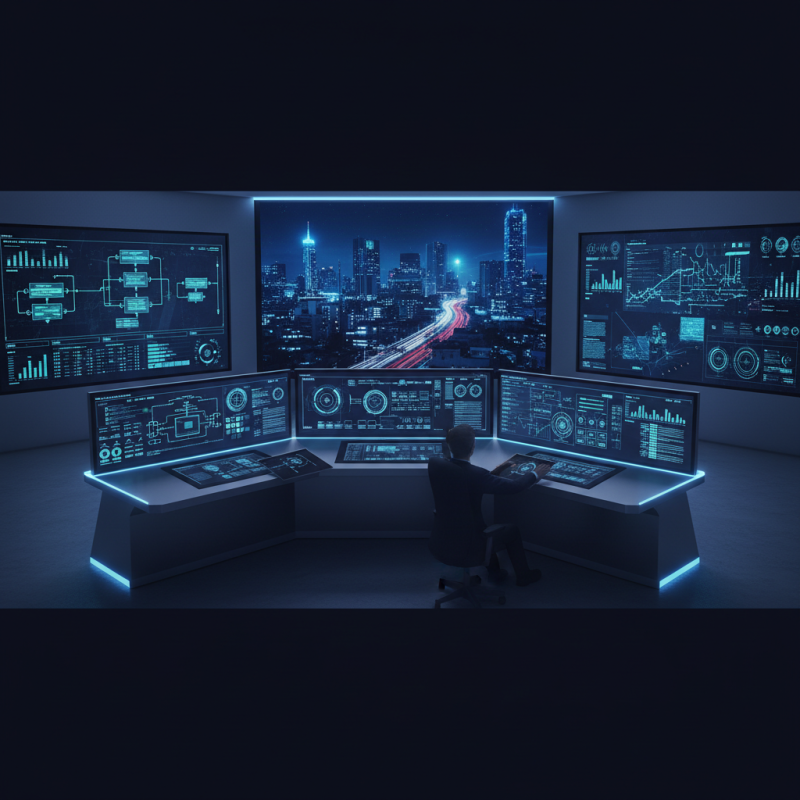
Integrating LED displays with control systems is crucial for seamless operation in modern environments. Renowned expert Dr. Jane Smith once said, "The future of visual communication lies in effective integration with control systems." Her insight emphasizes the importance of understanding how to integrate LED displays with control systems to enhance functionality and user experience.

A successful integration requires attention to detail. Each component must work harmoniously to deliver optimal performance. For instance, ensuring compatibility between the display and control software is essential. Often, companies overlook this step, leading to frustrating user experiences. Proper planning and testing can prevent these issues.

One area that warrants reflection is user training. Without adequate knowledge, operations can suffer. Investing in training programs can enhance the understanding of how to integrate LED displays with control systems. However, many organizations hesitate to prioritize this aspect, resulting in lost opportunities. Addressing integration challenges can ultimately improve overall system reliability and user satisfaction.
Top 10 Tips for Integrating LED Displays with Control Systems?

Understanding the Basics of LED Displays and Control Systems

LED displays are transforming modern visual communication. To effectively integrate these displays with control systems, it’s important to grasp their fundamental components. LED displays consist of pixels that can emit light in various colors. These pixels are programmed to create dynamic images and messages. Control systems are the brains behind the operation, managing inputs and ensuring synchronization between different display elements.

Understanding the structure of these displays helps in crafting effective installations. It’s crucial to recognize the types of control protocols available. Not all systems communicate seamlessly. Some might even face issues like latency, which can disrupt the visual output. Software compatibility is another key factor, as not all control systems support every display model. Testing configurations in advance mitigates potential problems later.

User interaction is another layer to consider. If not designed thoughtfully, the integration may confuse end users. Ensuring user-friendly interfaces and clear instructions is vital. This not only enhances effectiveness but also builds trust in the technology. Ongoing support can resolve issues and improve overall functionality, making the setup a successful part of your project.

LED Displays and Control Systems Integration

Assessing Compatibility Between LED Displays and Existing Control Systems

Assessing compatibility between LED displays and existing control systems is crucial for effective integration. It's essential to evaluate the communication protocols used by each system. Many LED displays rely on protocols like DMX, DVI, or HDMI. If your control system supports these, you're in good shape. However, mismatches can lead to functionality issues and unsatisfactory performance.

Consider the processing capabilities of both systems. An outdated control system may struggle to manage a high-resolution LED display. Test scenarios in advance to identify potential bottlenecks. Compatibility isn't just about the technology; it's also about user experience. Operators should feel comfortable navigating the combined system. Training may be required for staff to adapt to new interfaces or functionalities.

Installation challenges can arise during integration as well. Think about the physical setup and space requirements. Is there enough room for cabling and equipment? Unexpected hurdles can lead to delays or additional costs. Keeping the lines of communication open with technical teams is vital. This ensures that you can address issues proactively and refine the integration approach.

Key Considerations for Wiring and Connectivity Solutions

When integrating LED displays with control systems, careful attention to wiring and connectivity is crucial. Start by assessing the specific requirements of both your LED and control system. Proper cabling is essential for maintaining signal integrity. Use high-quality cables that match the display's specifications. Poor wiring can lead to malfunctions.

It's also important to consider the layout of your installation. Plan cable routes to minimize interference from other electronic devices. Secure connections can prevent signal loss. Regular testing of these connections is a must. Sometimes, forgotten cables or loose connections cause unexpected issues. Remember, clear documentation of your wiring setup can be invaluable for future troubleshooting.

In connecting these systems, be ready to adapt your approach. Typically, more straightforward solutions work best; however, complex setups may require customized configurations. Each integration project may differ, presenting unique challenges. Emphasizing systematic planning and flexibility can make a significant difference in the outcome. Aim for a balance between speed and thoroughness in your setup process. This mindset helps ensure a reliable and efficient display performance.

Steps for Configuring Software for Seamless Integration

Configuring software for seamless integration of LED displays with control systems requires careful planning. Start by assessing the specific needs of your installation. Identify what content will be displayed and how frequently it will change. This helps in choosing the right software architecture.

Once you have a clear understanding of the requirements, you can move on to the actual configuration. Connect all necessary hardware components before diving into the software setup. It’s essential to ensure that each element communicates correctly. Software often includes diagnostic tools for troubleshooting. Using these can save you time and effort during your integration process.

Testing is critical for achieving reliability. Run multiple scenarios to see how the system behaves. Adjust settings based on performance to optimize functionality. Be prepared to make iterative changes to improve the system. Sometimes, unexpected issues arise that require re-evaluation of your approach. This trial-and-error process might seem tedious, but it leads to a robust final product. Integrating LED displays effectively enhances visual communication significantly.

Testing and Troubleshooting Common Integration Issues

Integrating LED displays with control systems often involves issues that can disrupt performance. Testing and troubleshooting these common issues is crucial for a seamless operation. Regularly check connections between displays and controllers. Loose cables or faulty connectors can lead to glitches or monochrome screens. Conducting a physical inspection can often reveal overlooked problems.

Another frequent pitfall is software compatibility. Ensure that the control software you are using supports the LED display protocols. Systematic updates of both software and firmware can eliminate unexpected bugs. Testing with a simple display pattern can also help identify if the setup is functioning correctly.

Moreover, consider conducting an integration audit. Look for common integration challenges, such as latency or synchronization errors. Testing different configurations may yield surprising results, leading to smoother operations. Engaging a technician might seem unnecessary, but outside perspectives can reveal persistent issues that might escape your notice. Often, a fresh set of eyes can make all the difference. Be open to improvement; every integration has its learning moments.

FAQS

: How can I ensure my LED display is compatible with my control system?

: Check the communication protocols like DMX, DVI, or HDMI. Compatibility is vital for functionality.

What issues may arise during integration?

Common issues include software compatibility, loose cables, and inadequate processing power. These can disrupt performance.

Why is user experience important in integration?

Operators need to navigate smoothly. Training may be necessary to adapt to new systems effectively.

How can I troubleshoot connection problems?

Regularly inspect physical connections. Look for loose cables or faulty connectors causing glitches.

Should I update software for compatibility?

Yes, systematic updates of software and firmware can resolve hidden bugs and improve performance.

What is an integration audit?

An audit checks for common issues like latency and synchronization. It helps identify areas for improvement.

Can testing simple display patterns help?

Absolutely, it helps verify if the setup is functioning correctly before pursuing complex configurations.

How important is physical space for installation?

Physical setup must accommodate cabling and equipment. Inadequate space can lead to unexpected challenges.

Why consider hiring a technician?

A technician provides an outside perspective. They can spot issues you may overlook, enhancing integration success.

How can I prepare for potential integration challenges?

Conduct tests in advance. Keep communication open with technical teams for effective issue resolution.

Conclusion

Integrating LED displays with control systems is essential for creating dynamic and responsive visual environments. To successfully integrate LED displays, one must first understand the basics of both technologies and assess the compatibility between the displays and existing control systems. Key considerations include wiring and connectivity solutions, which play a crucial role in ensuring that the integration is efficient and reliable.

Once the hardware setup is established, configuring the software is an important step in achieving seamless integration. This includes setting the appropriate protocols and configurations to facilitate communication between the LED displays and control systems. Finally, testing and troubleshooting are vital to resolve any common integration issues, ensuring that the system operates smoothly. By following these guidelines on how to integrate LED displays with control systems, users can enhance their visual display capabilities effectively.

Liam

Liam

Liam is a dedicated marketing professional with a profound expertise in the industry, where he excels at highlighting the unique advantages of our core products. With a keen understanding of market trends and consumer needs, Liam frequently updates our company’s professional blog, providing......