Transporting large LED video walls requires careful planning and expertise. According to Mark Jensen, a leading industry expert at BrightView Technologies, “Transporting these installations without damage demands precision and the right techniques.” Knowing how to transport large LED video walls safely can significantly reduce the risk of costly repairs and project delays.
The process involves several critical steps. First, ensure that the video wall is properly packed using protective materials. This adds a layer of security against impacts during transit. Additionally, it’s vital to label the components clearly. This simple act can prevent confusion and potential mistakes during setup. It may seem trivial, but oversight in labeling can lead to significant issues down the line.
Every operation has its challenges. Transporting large equipment often exposes it to environmental factors. Rain, humidity, and temperature changes can damage electronic components. Experts recommend monitoring conditions closely. They also suggest creating a checklist which helps track essential steps. This knowledge isn't just about moving a product; it’s about safeguarding your investment. Understanding how to transport large LED video walls safely will ensure their longevity and performance.
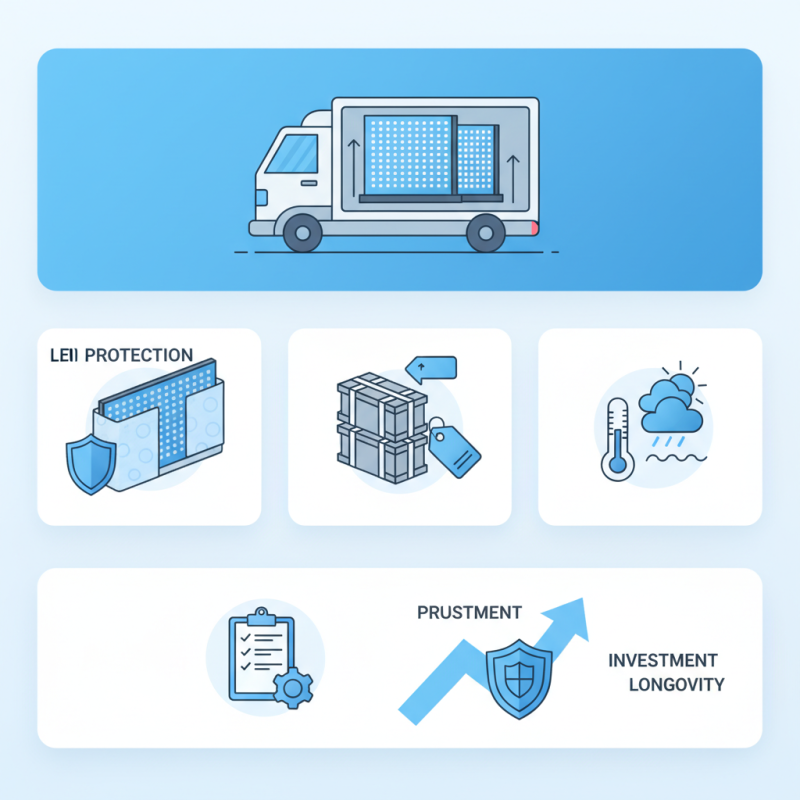
Transporting large LED video walls requires meticulous planning. Start by assessing the dimensions and weight of each panel. Verify the total size of the assembled video wall. This information will help select the right transport vehicle. A standard delivery truck may not suffice for bulkier setups.
It’s essential to use custom crates or cases for protection. These containers should cushion the panels from shocks and vibrations during transit. Employ soft padding materials and secure fastenings. Consider the environmental factors, like weather conditions. Rain or extreme temperatures can damage sensitive electronic components.
Communication with the logistics team is crucial. Ensure everyone understands the handling procedures. This avoids mishaps during loading and unloading. Sometimes, road conditions may present unexpected challenges. Being flexible can help in adjusting transport plans. Keep a checklist for inspections upon arrival. Reflect on the process to identify areas for improvement for future transports.
When transporting large LED video walls, choosing the right packaging materials is crucial. Protective materials can prevent damage during transit. Sturdy boxes made of double-walled corrugated cardboard offer good structural support. Foam inserts and custom-fit padding also help absorb shocks.
Stretch wrap is essential for securing components. It keeps everything in place and minimizes movement. Bubble wrap can provide extra cushioning. However, it’s vital to use it correctly. Overpacking can lead to squeezing and potential damage.
Consider the climate as well. Humidity and temperature shifts can affect the contents. Using moisture-absorbing packets can help reduce risks. Monitoring the packaging integrity is also critical. Regular inspections can catch potential issues before they escalate. With careful planning, you can ensure safe transport for your valuable equipment.
Transporting large LED video walls is a complex task that requires meticulous planning and execution. Securing the video walls properly is crucial to avoid damage during transit. A study by the International Society for Technology in Education highlights that approximately 30% of equipment damages occur due to inadequate protection. This statistic underscores the importance of using high-quality packing materials and specialized containers designed for large displays.
When securing LED video walls, consider using anti-static foam, which absorbs shock and protects fragile components. Additionally, strapping the units down within the transport vehicle is vital. Industry reports indicate that unrestrained loads can shift by as much as 50% during transit, leading to potential breakages. Also, ensure that environmental conditions, like temperature and humidity, are stable to avoid any malfunctions.
It's essential to reflect on past transportation challenges. Instances of screen failures due to overlooked details serve as important reminders. Incorporating lessons learned, like consistent monitoring of equipment during transit, can enhance reliability. Properly executed transport methods can lead to a 25% reduction in damage risks, creating a safer journey for your LED video walls.
Transporting large LED video walls requires careful handling and loading techniques to prevent damage. According to a study by the National Association of Broadcasters, nearly 30% of LED screen damages occur during transportation. Proper padding and protective covering can significantly reduce these incidents. Use foam padding and custom-fit cases to shield screens from shocks and impacts. Packaging should reflect the dimensions and fragility of the panels.
When loading the screens, always use a minimum of two individuals. This minimizes the chances of dropping or mishandling the units. Data from logistics experts suggest a calculated approach to load distribution. Uneven weight distribution can lead to potential breakage. Ensure the center of gravity is aligned with the vehicle’s center for stability. Additionally, securing the loads with ratchet straps or similar equipment is essential to prevent shifting during transit.
In practice, even the best precautions may fall short. Stories abound of screens cracking despite apparent care. A thorough pre-transport inspection should always be conducted. Identify any existing damage prior to loading. This proactive step helps in assessing liability if issues arise. While investing in transport safety, operators must remain vigilant and adaptive to spontaneous challenges.
Setting up a large LED video wall involves careful unpacking and installation. Begin by inspecting the transport container for any damage. Use tools like a bubble level and tape measure for accuracy. Lay out all components in a clean space to minimize hazards. Take your time to ensure nothing is missing, as missing parts can delay your setup.
When installing, consider the wall's structural integrity. Ensure it can bear the weight of the video wall. Assemble the parts cautiously, following the instructions provided. Use a soft cloth to clean the panels gently; using harsh materials can scratch the surface. Be mindful of cable management. Unruly cables can lead to tripping hazards and affect the visual quality.
Remember that mistakes can happen. Improper installation can lead to malfunctioning panels. It’s crucial to double-check your electrical connections. If something seems amiss, adjust before powering on. Reflect on the setup process afterward. Analyzing any difficulties can help improve future installations. Keep a journal of your experiences for reference.
| Dimension | Details |
|---|---|
| Weight | Varies by Size: 300-1000 lbs (136-454 kg) |
| Transportation Method | Dedicated truck for large displays |
| Packaging Type | Custom flight cases |
| Unpacking Steps | 1. Inspect the case for damage 2. Carefully remove components 3. Check inventory against packing list |
| Installation Tips | 1. Use a flat surface 2. Arrange panels correctly 3. Follow manufacturer guidelines |
| Power Requirements | Typically requires 110-240V, check manual |
: The right packaging materials prevent damage during transit of large LED video walls.
Sturdy, double-walled corrugated cardboard boxes offer excellent structural support for protection.
Use stretch wrap to minimize movement and keep everything securely in place.
Bubble wrap provides extra cushioning but should be applied correctly to avoid damage.
Humidity and temperature shifts can impact equipment, so consider moisture-absorbing packets.
Inspect the transport container for damage and ensure all components are accounted for before setup.
Proper installation ensures the video wall functions correctly and can prevent future malfunctions.
Make sure to double-check electrical connections and manage cables to prevent hazards.
Reflect on past experiences and journal your installation challenges for future reference.
Regular inspections can catch potential issues early and avoid damage escalation.
Transporting large LED video walls requires careful planning and execution to ensure their safety. First, it’s essential to choose the right packaging materials that provide adequate protection against physical impacts and weather conditions. Once packaged, securing the video walls for safe transport is crucial; this involves using appropriate straps and supports to prevent movement within the transport vehicle.
Additionally, employing proper handling and loading techniques can significantly reduce the risk of damage during transit. Once the video walls arrive at their destination, unpacking and installation should be approached with caution to maintain their integrity. By following detailed guidelines on how to transport large LED video walls safely, one can ensure that these valuable assets reach their new location in perfect condition, ready for immediate use.

Aras LED