What is Pixel Pitch in LED Panels and Why Does It Matter?

Time:2026-05-09 Author:Mason
0%

Understanding "what is pixel pitch in LED panels" is essential for anyone in the display technology industry. Pixel pitch refers to the distance between the center of one pixel to the center of an adjacent pixel. This measurement affects the resolution, brightness, and clarity of the image displayed. A study by the National Institute of Standards and Technology (NIST) indicates that pixel pitch impacts viewer distance and image quality significantly.

Expert in display technology, Dr. Emily Chen, states, “The finer the pixel pitch, the closer viewers can sit to the display without noticing individual pixels.” This observation underscores the importance of pixel pitch in designing LED panels for various applications. More than just technical jargon, pixel pitch defines user experience and engagement.

As digital advertising and large-scale displays gain popularity, the demand for clearer images has risen. According to a report by MarketsandMarkets, the global LED display market is projected to reach $25 billion by 2025, driven largely by advancements in pixel pitch technology. However, many consumers still find it challenging to grasp this concept. Further education and resources are needed to enhance understanding, allowing for more informed decisions in a rapidly evolving industry.
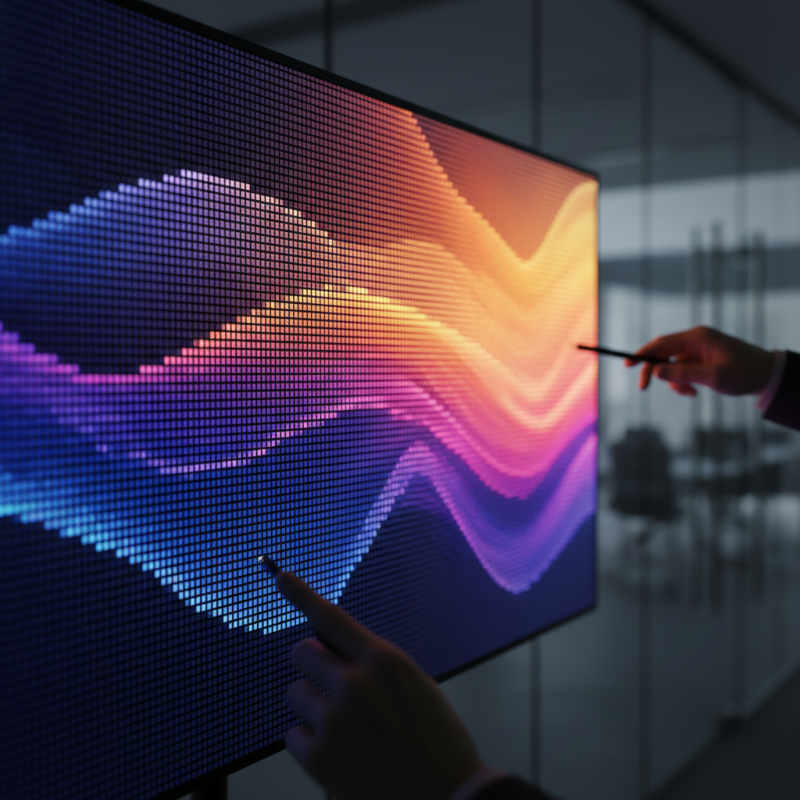
What is Pixel Pitch in LED Panels and Why Does It Matter?

Definition of Pixel Pitch and Its Measurement in LED Panels

Pixel pitch is a critical measurement in LED panels. It refers to the distance between the centers of two adjacent pixels. This distance significantly impacts the display's sharpness and clarity. A smaller pixel pitch indicates more pixels per square inch, leading to higher resolution. This is especially important for applications like digital signage or high-definition displays.

Understanding pixel pitch can be complex. Users must consider viewing distance when selecting a panel. A panel with a smaller pitch is ideal for close-range viewing, while a larger pitch can suffice for farther distances. However, many overlook how this affects overall image quality. Cameras and televisions often enhance resolution, but without appropriate pixel pitch, viewers may still experience poor clarity.

The measurement of pixel pitch is straightforward. It is commonly quantified in millimeters. For example, a pixel pitch of 2.5 mm means each pixel is 2.5 mm apart. As display technology advances, manufacturers offer various pixel pitches to suit diverse needs. Still, there's no one-size-fits-all answer. Evaluating the right pixel pitch requires careful thought and a clear understanding of specific use cases.

Understanding Pixel Pitch in LED Panels

Pixel pitch is an important factor in determining the quality of an LED display. It refers to the distance between the centers of two adjacent pixels, measured in millimeters. A smaller pixel pitch indicates a higher pixel density, leading to sharper images and better viewing from close distances. Below is a bar chart showcasing different pixel pitch values and their corresponding ideal viewing distances.

Importance of Pixel Pitch for Image Quality and Clarity

Pixel pitch plays a crucial role in determining the visual quality of LED panels. It refers to the distance between the centers of adjacent pixels, usually measured in millimeters. A smaller pixel pitch means more pixels are packed into a given area, which generally enhances image clarity and detail. For example, a pixel pitch of 1.5 mm can provide sharp images suitable for close viewing, while a pitch of 10 mm may suffice for large outdoor displays viewed from a distance.

Industry studies indicate that displays with a pixel pitch of 2 mm or less tend to have superior image quality. Research shows that users perceive an increase in visual comfort and detail clarity with improved pixel density. In contrast, displays with larger pitches often lead to visible pixelation, especially when viewed up close. This discrepancy can significantly affect viewer engagement and retention, particularly in settings like digital signage and events.

Despite the benefits of a smaller pixel pitch, not all installations require it, nor can all budgets accommodate it. A careful evaluation is necessary. Sometimes, lower resolution can appear satisfactory in less demanding environments. Evaluating the viewing distance and content type is essential. An oversight in pixel pitch selection can lead to wasted resources and diminished viewer experience. Thus, understanding pixel pitch is essential for making informed choices in LED technology.

What is Pixel Pitch in LED Panels and Why Does It Matter? - Importance of Pixel Pitch for Image Quality and Clarity

Screen Size (inches) Pixel Pitch (mm) Resolution (pixels) Viewing Distance (meters) Best Applications Image Quality Rating
32 2.5 1280 x 720 2-4 Indoor Events, Broadcast Excellent
50 4.0 1920 x 1080 4-8 Outdoor Advertising Good
75 5.0 3840 x 2160 6-12 Large Venues, Concerts Average
100 6.5 7680 x 4320 10-15 Billboards, Stadiums Poor

Impact of Pixel Pitch on Viewing Distance and Audience Experience

Pixel pitch is a crucial specification in LED panels. It refers to the distance between the center of one pixel to the center of the adjacent pixel. Understanding this measurement can greatly affect the viewing experience.

When it comes to viewing distance, pixel pitch plays an essential role. Smaller pixel pitches result in higher resolution displays. This means more detail can be perceived from a closer distance. If the pixel pitch is too large, viewers may see individual pixels. This can detract from the overall experience, particularly in large venues. Thus, choosing the right pixel pitch based on the expected viewing distance is vital.

Tips: Select a smaller pixel pitch for close ranges. In contrast, a larger pixel pitch will suffice for farther views. It’s also wise to consider the content type displayed. For example, detailed images require finer pixel settings.

Another aspect to reflect on includes audience experience. The visual clarity and brightness are often compromised if pixel pitch is mismatched with the venue size. This misalignment may lead to a blurred image for some viewers, reducing engagement. Careful planning can enhance overall satisfaction.

Comparative Analysis of Different Pixel Pitch Configurations

Pixel pitch refers to the distance between the center of one pixel to the center of the next in an LED panel. This measurement is crucial as it affects display resolution and image clarity. A smaller pixel pitch results in a higher pixel density, which enhances the visual quality. Conversely, a larger pitch can lead to a grainy or pixelated image, especially when viewed up close.

Comparative studies have shown that a pixel pitch of 2.5 mm provides a good balance for indoor environments, where viewing distances range from 5 to 8 feet. According to industry reports, panels with a 1.5 mm pixel pitch offer stunning visuals but come at a premium cost. Observations indicate that while high-density displays attract attention, they may not always justify their expense in every scenario.

Examining various pixel pitch configurations reveals trade-offs. A 4 mm pitch might suffice for outdoor signage viewed at a distance. However, it can compromise detail when used in closer settings. The right choice depends on specific applications, audience, and budgetary constraints. Understanding these dynamics leads to more informed purchasing decisions, emphasizing the importance of pixel pitch in LED panel selection.

Future Trends in Pixel Pitch Technology for LED Displays

As pixel pitch technology advances, it shapes the future of LED displays. Pixel pitch refers to the distance between individual pixels. A smaller pitch means higher resolution and clearer images. This trend leads to sharper visuals, ideal for high-impact advertising and immersive experiences. As consumers demand better quality, manufacturers are innovating.

Future trends point towards even smaller pixel pitches. This evolution allows for seamless viewing from closer distances. Enhanced pixel density can create more engaging displays, especially in large venues like stadiums and exhibition halls. However, these advancements also pose challenges. Smaller pixels can increase manufacturing complexities and costs.

Tips: When considering an LED display, assess the pixel pitch suited for your application. Higher resolution may not be necessary for every environment. Understand your audience's viewing distance for optimal impact.

Technological advancements may lead to impressive displays but often require careful selection. A balance between cost and quality is crucial. Exploring future pixel pitch technologies could enhance your project significantly, yet it's vital to stay grounded in realistic expectations.

FAQS

: What is pixel pitch in LED panels?

: Pixel pitch measures the distance between the centers of adjacent pixels. It affects sharpness and clarity.

How does pixel pitch impact viewing distance?

Smaller pixel pitches allow for higher resolution, ideal for close viewing. Larger pitches can work for further distances.

Why is choosing the right pixel pitch important?

The right pixel pitch enhances image quality. If mismatched to viewing distance, clarity can suffer, leading to viewer dissatisfaction.

How is pixel pitch measured?

Pixel pitch is measured in millimeters. For example, a 2.5 mm pixel pitch means each pixel is 2.5 mm apart.

What are the consequences of a large pixel pitch?

A large pixel pitch can result in seeing individual pixels. This may distract from the overall viewing experience, especially in large spaces.

Can pixel pitch affect audience engagement?

Yes, a mismatch between pixel pitch and venue size can lead to blurred images. This reduces overall engagement for viewers.

Is there a universal pixel pitch that works for all situations?

No. Different scenarios require different pixel pitches. Choices depend on viewing distance, content type, and audience size.

What should be considered when selecting pixel pitch for digital displays?

Consider content type and expected viewing distance. Detailed images need finer pixel settings, while far views can tolerate larger pitches.

Are higher density displays worth the cost?

Higher density displays attract attention, but they may not justify their expense in all situations. Evaluate needs carefully.

Conclusion

Pixel pitch in LED panels refers to the distance between the centers of adjacent pixels, typically measured in millimeters. Understanding what is pixel pitch in LED panels is crucial as it significantly influences image quality and clarity. A smaller pixel pitch results in higher resolution displays, allowing for sharper images, which is particularly important in environments where visual detail is paramount.

Additionally, pixel pitch affects the ideal viewing distance; closer viewing distances benefit from finer pixel pitches, enhancing the audience experience. Analyzing different pixel pitch configurations helps determine the best options for various applications. Looking ahead, advancements in pixel pitch technology are expected to further refine display performance, catering to the evolving needs of visual communication and digital advertising.

Mason

Mason

Mason is a seasoned marketing professional with a deep expertise in the company's offerings and a passion for driving brand awareness. With a strong background in digital marketing strategies, he has an innate ability to connect with diverse audiences and effectively communicate product benefits.......