Outdoor LED walls have become essential for high-impact advertising and events. These vibrant displays attract attention and communicate messages effectively. However, to ensure long-lasting performance, it is crucial to know how to maintain outdoor LED walls.
Proper maintenance can extend the lifespan of these displays. Regular cleaning helps to prevent dirt buildup, which can affect visibility. Additionally, checking connections and components ensures that everything functions correctly. Investing time in maintenance reduces the need for costly repairs.
Failing to maintain these walls can lead to severe issues. For example, water damage may compromise the internal electronics. Dark spots could appear if pixels fail due to neglect. Regular monitoring can catch these problems early. Implementing a maintenance schedule makes a difference. Thus, understanding how to maintain outdoor LED walls is vital for every owner.
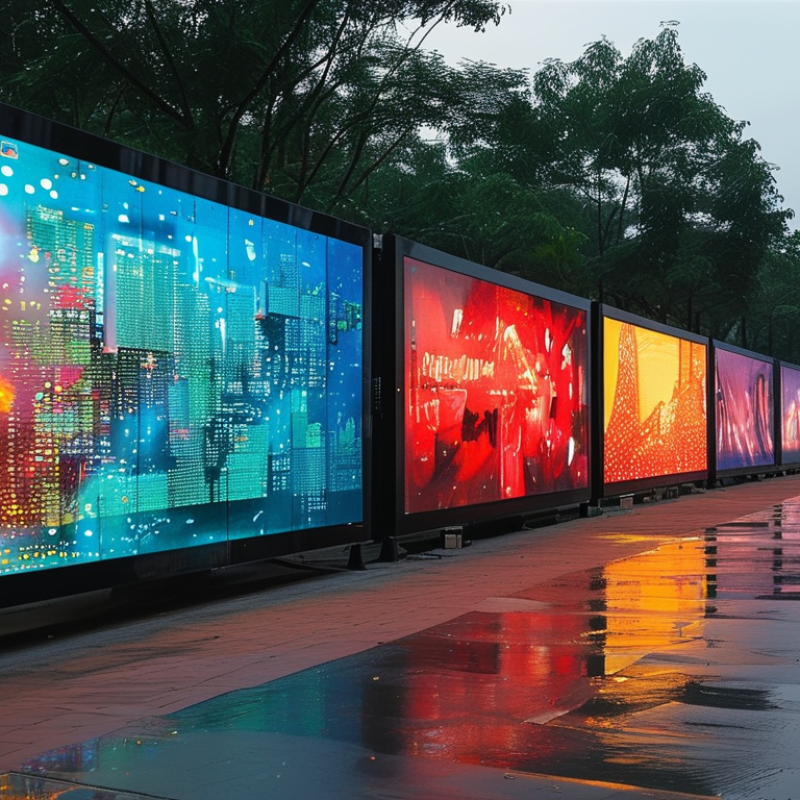
Outdoor LED walls consist of various components that contribute to their overall functionality. These include LED modules, power supplies, and control systems. LED modules are the heart of the display, housing individual LEDs that emit light. The quality and configuration of these modules directly influence brightness and color accuracy. Power supplies ensure stable energy flow, while control systems manage content and display settings.
Maintenance is critical for optimal performance. Regularly checking connections is necessary. Loose wires can cause flickering or blackouts. Dust and debris can accumulate on the surface, impacting visibility. Cleaning with a soft cloth can improve clarity. Weather can also affect performance. Exposure to extreme temperatures may damage components over time. It’s essential to monitor for signs of wear and replace parts as needed.
Understanding these components helps users appreciate the intricacies of outdoor LED walls. They are not just about visual appeal; reliability is key. Regular maintenance can prolong lifespan but requires diligence. Users should remain vigilant, adapting to the unique challenges posed by outdoor environments.
Routine inspection is key to keeping outdoor LED walls functional and reliable. Regular checks help identify potential problems before they escalate. Start by inspecting the physical condition of the wall. Look for any cracks, loose connections, or water damage. Pay attention to the mounting structure. Ensure it’s securely attached and free from rust.
Check the performance of individual LEDs. Dim or flickering lights can indicate issues. Use diagnostic tools to run tests on the system. Regularly clean the surface to prevent dirt accumulation. Dust and debris can affect visibility and performance. Use a damp cloth, but avoid harsh chemicals.
Monitor the temperature of the LED wall. Extreme heat or cold can impact functionality. Make sure that cooling systems, if present, are working properly. It may be useful to log temperature variations over time. This data can provide insight into future maintenance needs. Regular inspections increase the lifespan of the outdoor LED wall and enhance its performance.
Outdoor LED walls require regular cleaning and maintenance to ensure they perform at their best. Dust and debris accumulate on the surface, dulling brightness and clarity. Regularly using a microfiber cloth to wipe the screens can remove surface dust effectively. This simple step enhances visibility and prolongs the life of the display.
When it comes to deeper cleaning, soft soap and water work well. Create a gentle solution and use a soft sponge to scrub the surfaces. Make sure the power is off during this process. Rinse thoroughly to ensure no residue remains. Doing this every few months is a good habit to adopt.
**Tips:** Always check for loose cables or connections when inspecting your LED wall. Ensure water does not mingle with electrical components. If you notice flickering or dim spots, it’s essential to consult a professional. Regular maintenance checks may prevent substantial repairs later on. Don't underestimate the impact of weather conditions; harsh elements can wear down components.
| Maintenance Task | Frequency | Recommended Method | Notes |
|---|---|---|---|
| General Cleaning | Monthly | Use soft cloth and mild detergent | Avoid abrasive materials |
| Dust Removal | Weekly | Use compressed air | Ensure no moisture is present |
| Inspect Connections | Quarterly | Visual inspection | Check for loose or damaged connections |
| Software Updates | As Needed | Update via manufacturer software | Ensure compatibility before updating |
| Professional Service | Annually | Hire a qualified technician | Comprehensive check-up recommended |
When maintaining outdoor LED walls, temperature and weather conditions are crucial factors. Extreme temperatures can affect performance. High heat can cause overheating, while freezing temperatures may lead to component failure. It's essential to monitor these conditions regularly.
Humidity is another concern. High moisture levels can encourage corrosion. Regular checks for condensation can save you from significant damage. Wind can also pose risks, especially in stormy weather. Reinforcing LED walls against strong winds is vital for longevity.
Each climate presents unique challenges. Regular maintenance in varying seasons is necessary. Checking connections and seals helps ensure durability. Reflecting on past maintenance can guide you in making improvements. Consistent efforts will lead to a longer lifespan for your LED walls.
Maintaining outdoor LED walls involves regular inspection and addressing common issues. A critical aspect is understanding how environmental factors impact performance. For instance, in a report by the International Display Standards Association, it was noted that humidity levels above 70% can lead to moisture buildup inside panels, affecting display quality. Regular checks for signs of water ingress are essential.
Another common issue is pixel malfunction. According to studies, around 5-10% of LED screens experience pixel failures over time. Hot weather can exacerbate this problem. Proper cooling mechanisms must be in place. Operating in extreme temperatures can prevent electronics from functioning effectively. Keeping the LED wall clean also helps; dust can block light output and damage components.
Not all visual issues can be traced back to technical failures. Content playback errors are often caused by software glitches. Updating software regularly minimizes risks. Ensure your team is trained to troubleshoot these problems. Documenting these processes increases reliability and leads to longer-lasting performance. Maintaining an outdoor LED wall requires vigilance, technical know-how, and consistent care.
This chart illustrates the performance scores of outdoor LED walls over a six-month period. Regular maintenance impacts the performance positively, as shown by the variation in scores, peaking in Month 4.
: Routine inspection ensures functionality and reliability. It helps catch potential problems early.
Inspect for cracks, loose connections, and water damage. The mounting structure should also be secure.
Look for dim or flickering lights. Use diagnostic tools for thorough testing of the system.
Regularly clean with a damp cloth. Avoid harsh chemicals to prevent damage.
Extreme temperatures impact functionality. Ensure cooling systems are working properly to maintain performance.
Humidity above 70% can lead to moisture inside panels, affecting display quality.
About 5-10% may experience pixel malfunctions over time, especially in hot weather.
Software glitches can cause content playback errors. Regular updates minimize these risks.
Dust can block light output and damage components. Keeping the screen clean is crucial.
Vigilance and consistent care are essential for longer-lasting performance and reliability.
Maintaining outdoor LED walls is crucial for ensuring their long-lasting performance and reliability. To understand how to maintain outdoor LED walls effectively, it's important to familiarize yourself with their components and functionality. Regular routine inspections help identify potential issues early, while specific cleaning and maintenance techniques can optimize the display's performance.
Additionally, environmental factors such as temperature and weather conditions play a significant role in the operation of LED walls. By taking these considerations into account and knowing how to troubleshoot common issues that may arise, you can significantly extend the lifespan and efficiency of outdoor LED displays. Proper attention to these aspects will ensure that your LED walls continue to function at their best.

Aras LED