In recent years, the debate over visual display technology has intensified. Many organizations are reassessing their choice between LED video walls and traditional projection screens. As we approach 2026, it becomes increasingly clear why LED video walls outperform projection screens in many critical areas.
LED video walls offer superior brightness and visibility, especially in well-lit environments. Unlike projection screens, which can struggle against ambient light, LED walls maintain image quality without significant degradation. This resilience makes them ideal for large venues and outdoor events. The vibrant colors and sharp details of LED displays enhance audience engagement and experience.
However, the shift to LED is not without its challenges. Initial costs can be daunting, and some might question long-term reliability. Component failures can occur, and maintenance needs should not be overlooked. Despite these considerations, the overwhelming advantages of LED technology suggest a clear trend. Ultimately, the choice will become less about convenience and more about performance and visual impact.
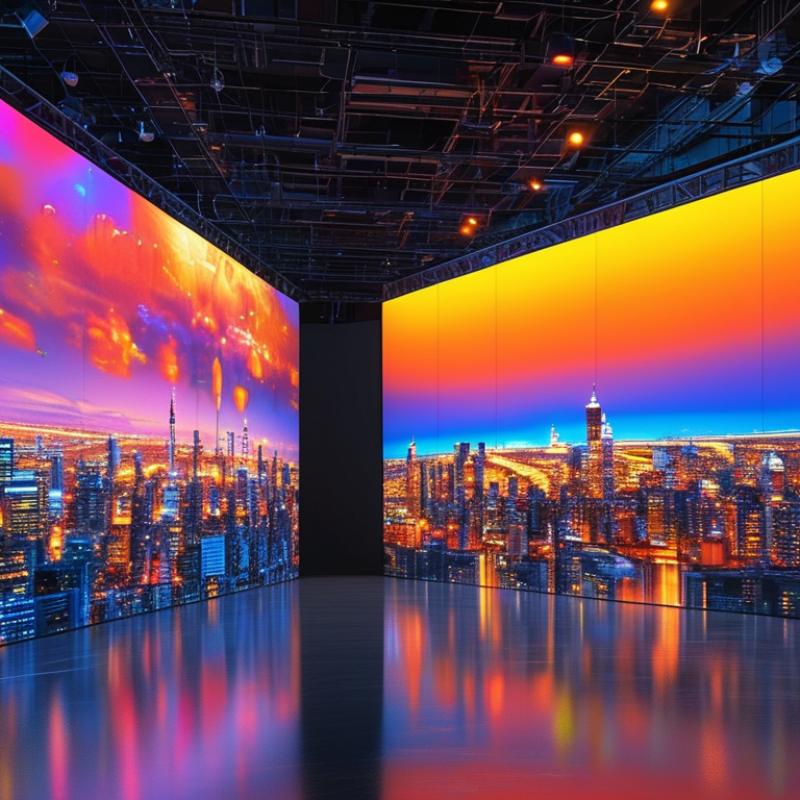
Advantages of LED Video Walls Over Projection Screens
LED video walls have revolutionized visual display technology. They provide numerous advantages over traditional projection screens. One of the most significant benefits is brightness. LED panels create vivid colors even in well-lit environments. In contrast, projection screens often struggle to deliver clear images when lights are on. This can lead to viewer dissatisfaction, especially in large venues.
Moreover, LED video walls offer better resolution. They can achieve higher pixel densities, resulting in sharper images. This clarity enhances the viewing experience, making it ideal for events and presentations. Users also appreciate that LED screens maintain consistent quality from various angles. This flexibility ensures that everyone in the audience has a great view.
Additionally, LED walls are more durable and energy-efficient. They have a longer lifespan compared to projection setups. While initially costly, their longevity means lower long-term expenses. However, some might find installation more complex and requiring professional help. This can be a hurdle for smaller organizations. Balancing quality and cost is essential in decision-making.
Improved Brightness and Color Accuracy in LED Displays
In 2026, LED video walls are quickly becoming the preferred option over traditional projection screens. One of the most significant advantages is their improved brightness and color accuracy. LED displays can reach brightness levels of up to 2,000 nits, compared to the 300-500 nits typical of projection systems. This brightness boost allows for clear visibility in various lighting conditions.
Color accuracy is another critical factor. Studies have shown that LED displays can achieve over 90% of the DCI-P3 color gamut, enhancing the viewing experience for audiences. This precise color reproduction is crucial for applications ranging from events to corporate presentations. Projection screens often struggle with color fidelity, especially in brightly lit environments.
Tips: When setting up an LED video wall, consider the ambient light levels. High brightness settings might be necessary for well-lit spaces. Also, a proper calibration process can ensure the colors are stunning and accurate.
Choosing LED over traditional projection systems means embracing technology that aligns with today's demands. The reliance on high-quality visuals means LED is not just a trend—it's a staple in professional environments. Keep an eye on industry reports, as data continues to show growing preferences for this technology, reinforcing its value in various settings.
Enhanced Viewing Angles and Flexibility with LED Technology
LED video walls are becoming increasingly popular for various applications, particularly because of their enhanced viewing angles. Unlike traditional projection screens, LED technology offers a wider range of angles for viewers. This means that more people can enjoy a clear, vibrant image, regardless of where they are seated. In contrast, projection screens often suffer from reduced brightness and clarity when viewed from the side. This is especially important in large venues where audience members are seated at different angles.
Flexibility is another major benefit of LED video walls. These systems can be customized to fit any space, whether it's a large stadium or a small conference room. The modular nature of LED panels allows for creative arrangements that would be impossible with fixed projection screens. Additionally, LED walls can adapt to different lighting conditions, maintaining image quality even in bright environments. However, the initial setup and calibration of these systems can be complex and may require expert assistance. This highlights the importance of choosing skilled professionals for installation and maintenance.
While LED video walls are quickly gaining an edge, they are not without challenges. Power consumption, for instance, can be higher compared to projection systems. This can lead to increased operational costs over time. Furthermore, ongoing advancements in projection technology should not be ignored. It raises questions about the future of both technologies. As we move forward, it's crucial to weigh the benefits and drawbacks carefully, ensuring that each solution meets specific needs effectively.
Lower Maintenance Costs and Longevity of LED Video Walls
In 2026, LED video walls are surpassing projection screens in multiple areas, particularly in maintenance costs and durability. Maintenance for LED screens typically requires less frequent servicing than that of projectors. According to a recent industry report, LED screens have a lifespan of over 100,000 hours, while traditional projectors often need lamp replacements every 2,000 to 4,000 hours. This substantial difference translates to significant cost savings in the long term.
Additionally, LED video walls offer enhanced reliability in various environments. They perform well in bright settings, which can be challenging for projection screens. The brightness levels of LED panels can reach up to 4,500 nits, while projectors require controlled lighting conditions. This efficiency allows venues to reduce operational hours, further lowering maintenance and energy expenditures. However, it’s essential to consider the initial investment for LED technology, as it may be higher than that of projectors.
As industries evolve, it’s crucial to make informed decisions based on both short-term costs and long-term benefits. For companies looking to upgrade their display systems, the shift towards LED technology seems to warrant serious consideration. Finding a balance between upfront costs and future savings can be challenging, yet the longevity and reduced maintenance needs of LED systems present compelling reasons to adapt.
Applications and Use Cases Favoring LED Video Walls in 2026
In 2026, LED video walls have proven to be a superior choice for various applications. Their vivid colors capture attention in a way that projected images struggle to match. Bright environments, like trade shows or outdoor events, benefit greatly from LED technology, as these displays remain visible even in direct sunlight. This quality makes LED video walls ideal for advertising and live events.
Tips: When choosing a display, consider its viewing angle. A wider angle ensures that everyone can enjoy the content. Test the brightness levels in real-world settings. This could reveal needs overlooked during initial assessments.
LED video walls offer flexibility in design. They can be scaled to fit any space, from small conference rooms to large stadiums. This adaptability allows for a more immersive experience. However, it's essential to be mindful of the installation cost. Proper planning can help in managing this expense effectively.
Tips: Customizing content to fit the audience improves engagement. Monitor viewer responses to modify displays as necessary. This feedback loop is invaluable for maximizing the impact.
LED Video Walls vs Projection Screens - Application Use Cases in 2026
FAQS
: LED video walls are brighter, offer better resolution, and maintain quality from different angles.
LED screens can reach up to 2,000 nits, while projection systems typically range from 300 to 500 nits.
LED displays achieve over 90% of the DCI-P3 color gamut, enhancing viewing experiences significantly.
Although they may have high initial costs, their longer lifespan can lead to lower long-term expenses.
Installation can be complex and may require professional help, which can be a barrier for smaller organizations.
LED displays maintain clarity and color fidelity, making them suitable for well-lit settings.
Ambient light levels and proper calibration are crucial to ensure stunning color accuracy.
Yes, LED walls ensure consistent quality from various viewing angles for the entire audience.
Users should balance the quality benefits with the upfront installation complexities and costs.
No, LED video walls are becoming a staple in professional environments, aligning with modern visual demands.
Conclusion
In 2026, the advantages of LED video walls over projection screens are becoming increasingly clear, making it evident why LED video walls outperform projection screens. One of the primary benefits is their superior brightness and color accuracy, which allow for vibrant and clear visuals in various lighting conditions. Additionally, LED technology offers enhanced viewing angles and flexibility, ensuring that audiences can enjoy a consistent and immersive experience regardless of their position in the room.
Moreover, the lower maintenance costs and longer lifespan of LED video walls make them a more economical choice in the long run. As applications in various sectors continue to expand, the versatility and reliability of LED video walls solidify their role as the preferred solution for dynamic presentations and large-scale displays in 2026.

 Aras LED