Why Do LED Displays Fail in Bright Sunlight?

Time:2026-05-05 Author:Charlotte
0%

In the world of digital displays, the performance of LED screens often diminishes in bright sunlight. Leading expert Dr. Alan Winters, a specialist in display technologies, notes, "The challenge lies in the brightness and contrast levels against natural light." This statement captures a vital concern for industries relying on LED displays in outdoor settings.

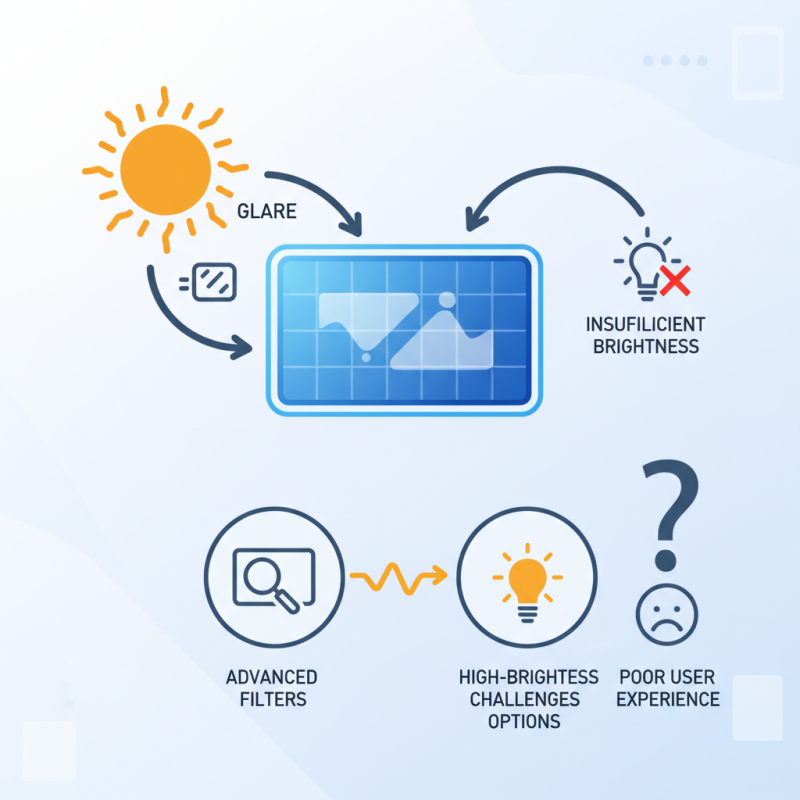
Understanding why LED displays fail in sunlight involves examining several factors. One issue is glare, which can wash out images and information on the screen. Additionally, brightness levels of LED displays may not be sufficient to compete with direct sunlight. Manufacturers have made improvements, yet many users remain frustrated. These limitations often lead to costly replacements or poor user experiences.

Professionals continue to investigate why LED displays fail in sunlight. Solutions like advanced filters and high-brightness options are being developed. Despite these innovations, challenges persist. The industry must address inevitable shortcomings while striving for better performance.
Why Do LED Displays Fail in Bright Sunlight?

Understanding LED Display Technology and Its Limitations

LED display technology has revolutionized visual communication, yet it faces challenges in bright sunlight. The primary issue lies in the contrast ratio. When exposed to direct sunlight, LED displays can struggle to maintain clarity. Research indicates that displays lose nearly 50% of their visibility under intense sunlight. This limitation makes it difficult for viewers to read the content.

Brightness plays a crucial role in this problem. Many LED displays operate at brightness levels of 500 to 1000 nits. However, direct sunlight can exceed 10,000 nits. This disparity means that even well-made displays can appear washed out. A study by the International Journal of Engineering and Technology suggests that increased brightness can enhance readability. Yet, this solution can lead to higher energy consumption and reduced lifespans.

The angle of view also affects performance. Many LED screens are designed for optimal viewing within a specific range. When viewed from angles outside this range, visibility diminishes. In high-contrast environments, this limitation becomes particularly apparent. Ultimately, while LED technology offers many advantages, understanding its boundaries is essential for effective use in all lighting conditions.

LED Display Performance in Different Lighting Conditions

The Impact of Sunlight on LED Display Performance

LED displays are known for their vivid colors and sharp images. However, they often struggle in bright sunlight. Direct sunlight affects visibility, leading to poor performance. The brightness of the sun can easily overpower the light emitted by the display. This results in washed-out images that are hard to read.

The issue lies in how LEDs function. They rely on light emission to produce images, but in bright conditions, they can't compete. Additionally, the heat from the sun can cause further problems. High temperatures can lead to overheating, impacting the display’s lifespan. This creates a cycle of diminished performance and potential overheating damages.

Despite advancements in technology, outdoor conditions remain a challenge. Not all LED displays are created equally. Some displays may have better brightness levels, yet may still falter under direct sunlight. Understanding these limitations is crucial for effective use. It highlights the need for ongoing improvements in LED technology. Efforts must focus on enhancing visibility without sacrificing energy efficiency.

Key Factors Contributing to LED Screen Visibility Issues

LED displays often falter under bright sunlight due to various key factors. One significant issue is the brightness level of the LED screen itself. Leading reports indicate that outdoor LED screens require a brightness of at least 5000 nits to remain visible in direct sunlight. Unfortunately, many displays fall short, especially those designed primarily for indoor use. This limitation severely hampers user experience in outdoor environments.

Another contributing factor is the angle of the display. When sunlight hits an LED screen at certain angles, glare can obscure the content displayed. Studies reveal that nearly 25% of the visual content may become unreadable under such conditions. Additionally, the choice of materials influences reflection and heat absorption, which can further degrade visibility.

Tips: To improve visibility in bright conditions, consider using high-brightness screens. Testing the display in varying lighting conditions helps identify potential issues. Regular maintenance, including cleaning and adjusting angles, can also enhance performance. Being proactive can lead to a significantly better viewing experience.

Strategies to Improve LED Display Readability in Bright Conditions

LED displays often struggle in direct sunlight. This is primarily due to their brightness levels not being sufficient to compete with the sun’s glare. When used outdoors, these screens can become nearly unreadable, presenting a significant challenge for visibility. Manufacturers need to address this issue to enhance user experience.

One effective strategy involves increasing the brightness of the LED display itself. Higher luminance helps to counteract sunlight's effects. Another approach is utilizing anti-glare technology. This layer can significantly improve readability by reducing reflections. Additionally, incorporating adaptive brightness features allows the screen to adjust based on ambient light. Users benefit from better visibility during varying light conditions.

However, even with these methods, perfection isn’t guaranteed. Some users may still find that even enhanced displays struggle in extreme sunlight. It’s crucial for technicians to continuously evaluate these solutions. New advancements emerge regularly in display technology. Continual improvements are vital for overcoming challenges related to brightness and readability in outdoor settings. Balancing quality and cost remains an ongoing discussion in the industry.

Why Do LED Displays Fail in Bright Sunlight? - Strategies to Improve LED Display Readability in Bright Conditions

Issue Impact Solution Effectiveness
Poor Visibility Text and images become unreadable Increase Brightness Good
Glare Distracting reflections Anti-Glare Coatings Very Good
Color Washout Loss of color fidelity High-Contrast Displays Excellent
Response Time Lag in display updates Faster LED Technology Good
Temperature Effects Display failures in heat Cooling Solutions Moderate

Future Innovations in LED Technology for Outdoor Use

Outdoor LED displays often struggle in bright sunlight. The glare can make content hard to read. This issue stems from low brightness levels. Traditional models might have insufficient luminance. New innovations are focusing on this significant drawback.

Advancements in LED technology aim to enhance visibility. Higher brightness levels are essential for sunny conditions. Research is also exploring improved materials for screens. These materials can reduce reflections and boost clarity. Additionally, adaptive brightness features are being developed. They can automatically adjust to changing light conditions.

However, challenges remain. The energy demands for brighter LEDs might increase. What about heat management? As brightness rises, so does the risk of overheating. Innovation in thermal management techniques is necessary. Constant improvement in outdoor LED technology can lead to better solutions. The future looks promising, but careful consideration is needed.

FAQS

: Why do LED displays struggle in bright sunlight?

: Direct sunlight can overpower the display’s brightness, leading to washed-out images that are hard to read.

What brightness level is needed for outdoor LED screens?

Outdoor LED screens need at least 5000 nits to remain visible in direct sunlight, as many fall short of this.

How does sunlight angle affect LED screen visibility?

Sunlight at certain angles can cause glare, making up to 25% of the visual content unreadable.

What role does material choice play in LED display performance?

The materials used can influence reflection and heat absorption, which degrade visibility in bright conditions.

How can I improve visibility on my LED display?

Use high-brightness screens, test in varying light, and maintain the display regularly to enhance performance.

What are some future innovations for LED displays in bright conditions?

Innovations include higher brightness levels, improved materials, and adaptive brightness features to adjust to light changes.

What challenges might arise with increased brightness in LEDs?

Higher brightness levels can increase energy demand and the risk of overheating, requiring new thermal management techniques.

Is it important to consider the design of LED displays for outdoor use?

Yes, understanding design limitations is crucial for effective use, highlighting the need for ongoing improvements.

Can regular maintenance really impact LED display performance?

Yes, regular cleaning and adjusting angles can lead to a much better viewing experience.

Are all LED displays suitable for outdoor conditions?

No, not all displays are equal; many designed for indoors may struggle outdoors under bright sunlight.

Conclusion

LED displays have become increasingly popular for outdoor advertising and information dissemination, but understanding why LED displays fail in sunlight is crucial for optimizing their performance. The inherent limitations of LED technology, such as lower brightness compared to direct sunlight, contribute significantly to visibility issues. When exposed to bright sunlight, the glare can overshadow the display's content, making it hard to read.

Key factors affecting LED screen visibility include the angle of sunlight, screen brightness, and ambient light conditions. To combat these challenges, strategies like enhancing screen brightness, incorporating anti-glare coatings, and utilizing higher-contrast colors can improve readability. Looking ahead, innovations in LED technology, such as advanced light modulation and improved materials, promise to enhance outdoor visibility, ensuring that LED displays can thrive even under the harshest sunlight conditions.

Charlotte

Charlotte

Charlotte is a seasoned marketing professional with a deep understanding of the company's portfolio and a passion for elevating its presence in the market. With a keen eye for detail and a commitment to excellence, she ensures that our professional blog is regularly updated with insightful articles......