As the world of interior design evolves, LED floor tiles are gaining attention for their innovative features. Industry expert Dr. Emily Carter, a leading figure in lighting technologies, notes, "LED floor tiles are transforming how spaces are experienced." So, what are the latest trends in LED floor tiles?
In 2026, we can expect a wave of creativity in this field. One trend is the integration of smart technology. These tiles can change colors or patterns based on the needs of the user. Imagine entertaining guests while your floor lights up with vibrant colors. Another significant development is the eco-friendly designs being introduced. Manufacturers are focusing on sustainability by using recycled materials. This shift is crucial for a greener future.
However, challenges remain. Not every consumer understands the technology behind these tiles. Education is needed to bridge this gap. Quality control is another area that requires attention. Not all products on the market meet high standards. As the industry progresses, it’s essential for consumers to stay informed. This will ensure they make the best choices for their spaces. The journey of LED floor tiles is only beginning.
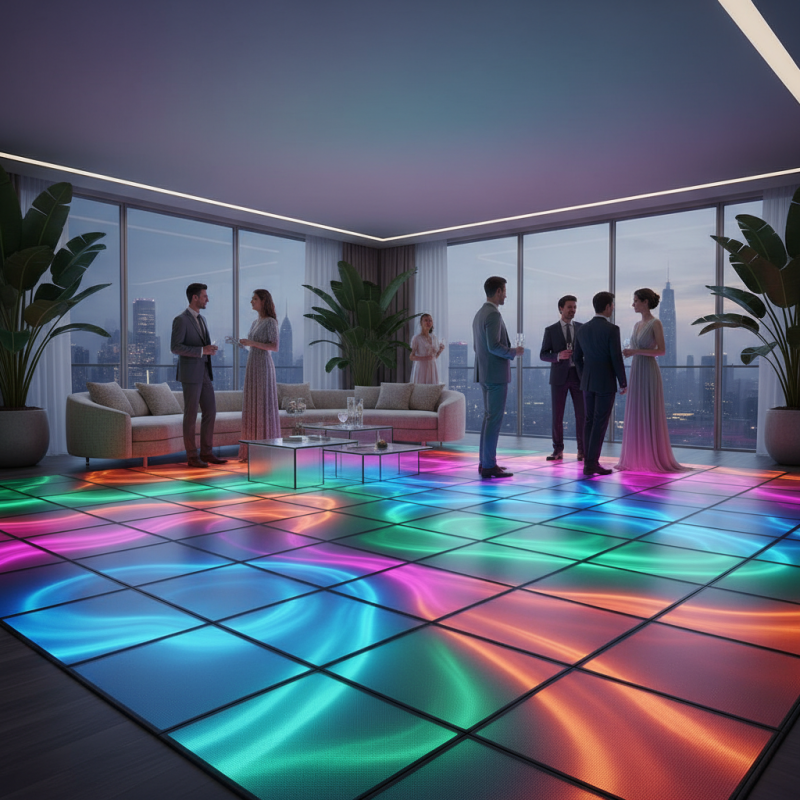
The LED floor tile market is rapidly evolving, with key innovations emerging for 2026. Recent data indicates that the global LED floor tile market is projected to grow at a CAGR of 21.5% from 2022 to 2026. This growth reflects a rising demand for interactive and energy-efficient flooring solutions in both residential and commercial spaces.
One notable innovation is the integration of smart technology into LED tiles. These tiles can sync with mobile apps, allowing users to control lighting and patterns directly from their smartphones. This feature appeals to tech-savvy consumers looking for customizable environments. Furthermore, manufacturers are focusing on sustainability. Many LED tiles now come with recyclable materials, reducing their environmental footprint. According to industry data, about 75% of recent product launches emphasize eco-friendly components.
However, challenges remain. Installation costs can be significantly higher compared to traditional flooring options. In some cases, customer feedback highlights issues with tile durability under high foot traffic. The performance of these tiles in various climates is still being studied, and consumer skepticism exists regarding their long-term functionality. Companies must address these concerns to enhance trust in the technology. Investing in consumer education will be crucial as the market matures.
The LED flooring market is set for remarkable growth in 2026. Demand is driven by advancements in technology and design. Consumers seek innovative solutions that blend style with functionality. LED floor tiles enhance spaces, making them more visually appealing and interactive.
Market projections indicate a significant rise in investment. Businesses and homeowners alike are recognizing the benefits of LED flooring. These tiles offer energy efficiency, durability, and aesthetic versatility. However, many are still unaware of maintenance requirements and installation complexities. Researching options before purchasing is crucial to avoid potential pitfalls.
Environmental concerns also play a role. More users are looking for sustainable flooring solutions. Manufacturers face challenges in sourcing eco-friendly materials. The need for compliance with regulations adds to the complexity. Trends suggest a blend of creativity and sustainability will dominate the market. Yet, as interest increases, so does the competition among suppliers. Keeping up with these trends can be overwhelming for consumers.
LED floor tiles are trending in 2026, primarily due to their energy efficiency and sustainability. These tiles use less energy than traditional lighting, reducing electricity costs and carbon footprints. Their lifespan is longer too. This longevity means fewer replacements are needed, which further conserves resources.
Keep an eye on the materials used in these tiles. Many manufacturers focus on eco-friendly options, integrating recycled materials. This approach not only helps the planet but also supports a circular economy. When selecting tiles, pay attention to their certifications related to energy efficiency. Look for those that meet rigorous energy standards.
Tips for choosing LED floor tiles:
The world of LED floor tiles is evolving rapidly. In 2026, aesthetics are taking center stage. Designers focus on integrating nature and technology in unexpected ways. Natural textures combined with vibrant colors draw attention. This blend not only enhances visual appeal but also invites interaction.
One notable trend is the use of organic patterns. Designers are inspired by elements like water and stone. These patterns create a calming atmosphere, perfect for residential spaces. In commercial areas, geometric designs with bright colors stimulate energy. They captivate and engage, making the environment lively.
Tips: Consider your space when selecting designs. Different patterns can evoke specific feelings. For a serene room, opt for softer hues and flowing shapes. For a dynamic atmosphere, choose bold contrasts and geometric patterns. This intentional selection will greatly impact the overall mood.
Another aspect to think about is lighting integration. Tiles can change with ambient light, enhancing the space further. Subtle changes can feel dramatic, drawing the eye without overwhelming. Be mindful of this while planning your layout and design. Your choices influence not only the look but also the experience.
| Trend Category | Current Aesthetic | Innovative Features | Sustainability Aspect | Projected Popularity (1-5) |
|---|---|---|---|---|
| Color Changing Tiles | Vibrant and Versatile | Remote Control & App Integration | Made from Recycled Materials | 4 |
| Interactive Flooring | Engaging and Fun | Touch and Motion Sensors | Eco-Friendly Manufacturing | 5 |
| Patterned LED Tiles | Geometric and Organic Designs | Customizable Patterns | Sustainable Sourcing | 3 |
| Smart Tiles | Modern and Minimal | Integrated Smart Home Features | Low Energy Consumption | 4 |
| Glow-in-the-Dark Tiles | Subtle and Atmospheric | Long-Lasting Luminance | Made from Natural Powders | 2 |
The LED tile market is evolving rapidly. Major manufacturers are pushing the boundaries of innovation. Their contributions shape how we think about LED floor tiles. A few key players are leading this trend, focusing on advanced technology and design. They emphasize energy efficiency and aesthetic appeal.
These manufacturers invest heavily in research. They develop new materials that enhance durability and brightness. Advanced features, like smart connectivity, are becoming common. This innovation helps create immersive environments. However, the growing technology also raises questions about sustainability. Is there enough support for recycling old LED tiles? Manufacturers must address environmental impacts as they innovate.
The competition among these players is fierce. Each aims to offer unique features while maintaining cost-effectiveness. Some tiles include programmable designs for events or home use. Others focus on easy installation and maintenance. The fast-paced market creates pressure to stay relevant. Companies should reflect on their long-term impact beyond profits. Balancing innovation with responsibility will be crucial as trends evolve.
: Advancements in technology and design drive LED flooring market growth. Consumers want solutions that improve style and functionality.
LED floor tiles provide energy efficiency, durability, and aesthetic versatility. They enhance spaces and reduce electricity costs.
Yes, installation complexities exist. Consumers need to research options thoroughly to avoid potential pitfalls during installation.
Environmental concerns lead to a demand for sustainable flooring solutions, impacting material sourcing and compliance with regulations.
Some LED tiles can be harder to clean. Consider maintenance requirements before purchasing and check cleaning guidelines.
Look for energy star ratings, consider design functionality, and understand unique space requirements for better compatibility.
Innovations include smart connectivity and programmable designs, enhancing user experiences. However, sustainability remains a concern.
Energy efficiency reduces electricity costs and carbon footprints. Longer lifespans also mean fewer replacements and resource conservation.
No, not all tiles fit every space. Consider aesthetics and practicality to ensure the right choice for your environment.
Manufacturers must balance innovation with environmental responsibility. Reflecting on long-term impacts beyond profits is essential.
As we look towards 2026, what are the latest trends in LED floor tiles? The industry is witnessing significant innovations that prioritize energy efficiency and sustainability, with advanced technologies improving the lifespan and environmental impact of LED tiles. Market projections indicate robust growth in LED flooring solutions, driven by increasing demand in residential, commercial, and entertainment sectors.
Design trends are also evolving, with aesthetics playing a crucial role in consumer preferences. Contemporary designs incorporate vibrant colors and dynamic patterns, enhancing the visual appeal of spaces. Key manufacturers in the market continue to push the boundaries with their contributions, setting the stage for a bright future in LED tile technology. Overall, the landscape of LED floor tiles is poised for exciting developments that blend functionality with cutting-edge design.

Aras LED