In today's competitive landscape, businesses are exploring innovative ways to captivate audiences. One exciting technology is 3D holographic LED displays. These displays offer a unique and immersive way to present content. According to industry expert Dr. Emily Tran, "Integrating holographic displays is not just about technology; it's about storytelling." This highlights the need to understand how to integrate 3D holographic LED displays effectively.
Implementing these displays requires careful planning and a strategic approach. It's important to consider the content, space, and audience engagement. Many companies underestimate the complexity of integration. They often focus on the visuals, but neglect the narrative behind them. This can lead to ineffective presentations and wasted resources.
There are also technical challenges involved. Ensuring compatibility with existing systems is critical. Testing and refining the display before launch is a must. Businesses must be willing to iterate on their strategies. Creating a memorable experience requires both creativity and technical know-how. By focusing on how to integrate 3D holographic LED displays thoughtfully, companies can elevate their brand and storytelling.
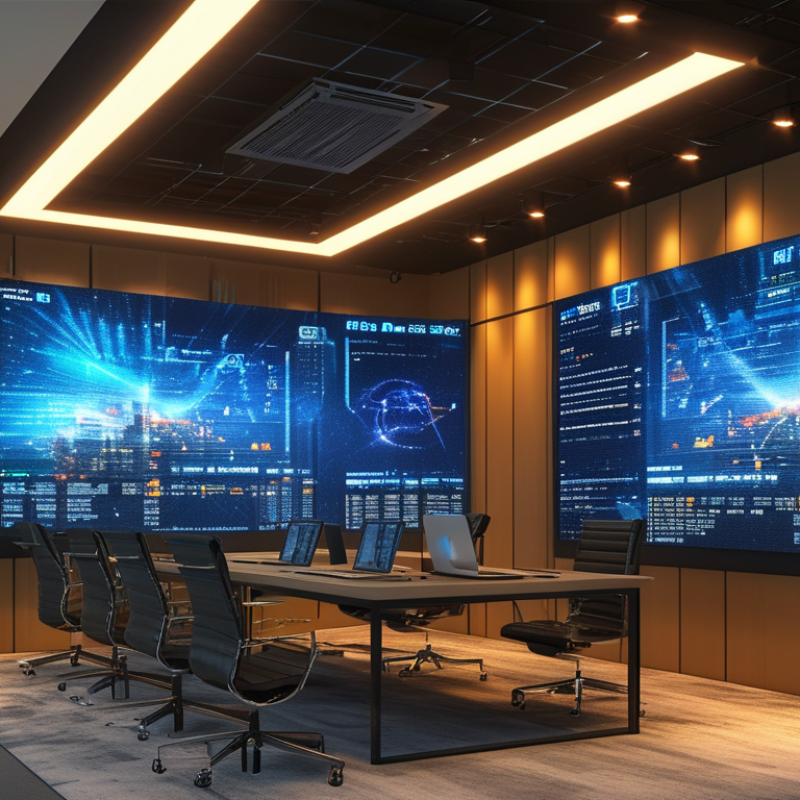
3D holographic LED displays represent a significant advancement in visual technology. These displays create vivid, three-dimensional images that float in the air. This engaging visual effect captures attention effectively, making it a useful tool for businesses.
According to a recent industry report, the global holographic display market is projected to grow at a CAGR of 23.4% from 2023 to 2030. This growth reflects the increasing demand for innovative advertising solutions.
Understanding the technology behind 3D holographic displays is crucial. It combines software algorithms, LED technology, and projection methods. These elements work together to produce lifelike images. However, implementation can be challenging. Many businesses experience difficulty integrating this technology into existing platforms. The technical expertise required can be a barrier for small to medium enterprises.
Moreover, while the potential is high, the investment can be significant. Costs for high-quality displays and software can be steep. A recent survey indicated that 40% of businesses hesitate to adopt such technology due to budget constraints. Balancing innovation with financial feasibility requires careful planning. Considering both benefits and challenges is key to successful integration.
: They create vivid, three-dimensional images that appear to float in the air.
Their engaging visual effect captures attention, making them effective for advertising.
Many businesses lack the technical expertise needed for integration, especially small enterprises.
Evaluate how displays can enhance customer interaction and meet specific goals.
High costs can deter adoption; businesses must weigh potential returns against expenses.
Assess current workflows and identify areas where displays can enhance communication or demonstrations.
Staff should be familiar with the technology to maximize its potential and effectiveness.
Clear and engaging visuals attract more attention; content should be regularly updated.
Place displays in high-traffic areas but avoid cluttered spaces that distract the audience.
Some employees may struggle to adapt, requiring regular feedback and adjustments.
The article "How to Integrate 3D Holographic LED Displays for Your Business?" serves as a comprehensive guide for businesses looking to incorporate cutting-edge holographic technology into their operations. It begins with an exploration of 3D holographic LED display technology, emphasizing its potential benefits for various industries. Identifying specific business needs and goals is crucial for a successful integration, as it helps to tailor the solution to align with organizational objectives.
Furthermore, the article provides insights on selecting the right holographic display solutions that cater to industry-specific requirements. Practical tips are offered for smoothly integrating these displays into existing workflows, ensuring user acceptance and maximizing efficiency. Finally, the importance of measuring the impact and return on investment (ROI) of the integration process is highlighted, allowing businesses to evaluate the effectiveness of their new technology. Overall, the article serves as a valuable resource for understanding how to integrate 3D holographic LED displays effectively within a business context.

 Aras LED