How to Install Flexible LED Displays for Your Business Needs?

Time:2026-05-11 Author:Charlotte
0%

Flexible LED displays are transforming the way businesses engage with their customers. According to a report by Grand View Research, the global flexible display market is projected to reach $244 billion by 2025. Investing in this technology can enhance visibility and create dynamic advertising spaces. Understanding how to install flexible LED displays is essential for capitalizing on these opportunities.

The installation process is crucial, as improper setup can lead to performance issues. A well-installed display can attract attention and improve customer interactions. However, many businesses struggle with installation logistics. Research from MarketsandMarkets highlights that effective installation can increase operational efficiency by 30%. This shows the importance of understanding the technical requirements and support needed.

Many resources are available to assist businesses in this journey. Manufacturers frequently provide guidelines and installation kits. However, relying solely on these sources may leave gaps in knowledge. Consulting with professionals can ensure that installations are executed smoothly and safely. Reflecting on potential installation challenges is key to leveraging the full benefits of flexible LED displays.
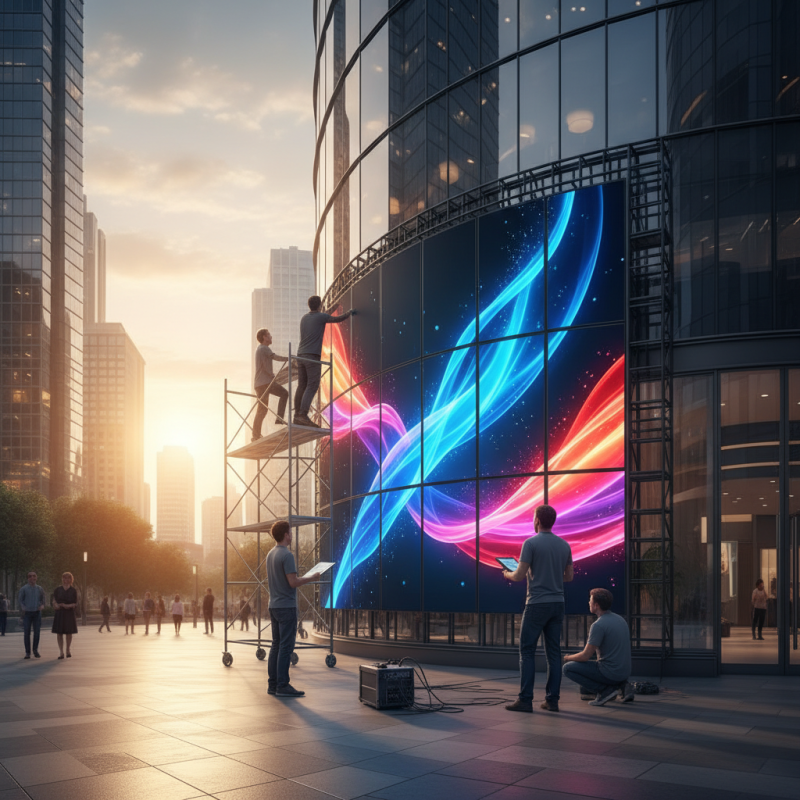
How to Install Flexible LED Displays for Your Business Needs?

Choosing the Right Flexible LED Display for Your Business

When selecting a flexible LED display for your business, consider several key factors. The display size should match your space and purpose. Larger displays work well for advertising, while smaller versions can fit in compact areas. Resolution is another critical aspect. A higher resolution ensures better image quality, especially for close views.

Assess the environment where the display will be installed. Indoor and outdoor displays require different brightness levels. Outdoor displays must withstand weather elements. Also, consider the installation area’s power supply. Some displays need more power than others, impacting ongoing costs.

Budget constraints are always a concern. Prices can vary widely based on features and quality. Sometimes, cheaper options may lack durability or performance. Researching and comparing can help you find a balanced choice. It's also worth consulting with professionals who understand flexible LED technology. They can provide insights that you might overlook, ensuring you make an informed decision.

Assessing Your Space and Installation Requirements

Assessing your space is crucial before installing flexible LED displays. Start by measuring the area where you plan to install the display. Consider ceiling height, wall dimensions, and potential obstructions. This ensures that the installation fits seamlessly. Identify whether indoor or outdoor use is necessary, as this impacts the display type.

Tips: Think about the ambient light in your space. High ambient light may require brighter displays. Avoid spots where glare is an issue. Also, assess viewing distances. Proper placement ensures visibility for your audience.

Installation requirements can vary widely. Check for necessary power sources and access to mounting hardware. It’s also essential to review any safety regulations relevant to your location. Flexible LED displays need adequate ventilation. Overheating can cause performance issues, so allow airflow around the units.

Tips: Create a checklist ahead of time to avoid missing any component. Consider potential technical challenges or installation delays. Regular updates on the project's progress help mitigate issues as you move forward.

Preparing the Installation Site for Flexible LED Displays

Preparing the installation site for flexible LED displays is crucial for successful deployment. Proper planning can enhance visibility and performance. Research indicates that about 70% of LED display issues stem from inadequate installation sites. Space requirements, power access, and environmental factors all play a role.

Start by assessing the area where the display will be installed. Ensure it is free from obstructions and has adequate ventilation. An optimal location allows for maximum exposure to potential customers. Consider natural light too; reflections can impact visibility.

Tips: Measure the space thoroughly before installation. This will prevent costly adjustments later. Assess power sources and ensure compatibility with the display's requirements.

Check for Wi-Fi connectivity if you plan to control the display remotely. Poor connectivity can lead to delays and functionality issues. According to industry reports, up to 25% of LED display installations fail due to connectivity challenges. Preparing your site will minimize risks and enhance performance.

Step-by-Step Installation Process for Flexible LED Displays

Installing flexible LED displays can significantly enhance your business's visual appeal. Start by selecting the optimal location for installation. Ensure the area is free of obstructions. Take precise measurements of the space. This step prevents errors that can complicate the installation later.

Next, prepare the mounting surface. Make sure it is clean and sturdy enough to hold the display’s weight. Depending on your installation type, you may need additional brackets or frames. Follow the manufacturer's guidelines for setting up the electrical connections. It is crucial to adhere to safety standards during this phase.

Testing is an essential part of the installation. Power up the display to check for any glitches or dead pixels. A thorough inspection can save time and money in the long run. If issues arise, troubleshoot them immediately rather than postponing. Remember, a solid installation reflects on your brand’s professionalism and reliability.

Testing and Maintenance Tips for Optimal Performance

Testing and maintenance are crucial for flexible LED displays in any business. Regular inspections can significantly enhance their longevity. Data indicates that improper maintenance can reduce display life by up to 30%. It's important to check for pixel malfunctions frequently. Even a single failed pixel can affect overall display quality.

A study showed that displays require cleaning every 1-2 months, but this can vary. Dust and debris impact brightness and color accuracy. Utilize a soft, lint-free cloth and mild cleaners for safe upkeep. Additionally, it's essential to check connections and cables. Loose connections can lead to signal loss and performance issues.

Implementing a maintenance schedule can help prevent problems. Analyze performance data regularly. This transparency ensures that any potential issues are addressed promptly. Often, users notice decreased brightness over time but may overlook it. Monitoring brightness levels can prevent more significant expenses on repairs or replacements later.

How to Install Flexible LED Displays for Your Business Needs? - Testing and Maintenance Tips for Optimal Performance

Aspect Details
Installation Location Indoor and outdoor suitability, specific mounting requirements.
Screen Size Varies based on viewing distance; common sizes range from 1m² to 100m².
Power Consumption Standard power usage is around 300W/m²; varying by brightness and efficiency.
Maintenance Frequency Monthly checkups for dust, bi-annual checks for electrical components.
Testing Methods Use software diagnostics, manual pixel checks, and brightness uniformity tests.
Average Lifespan Typically around 50,000 hours with proper usage and maintenance.
Common Issues Color inconsistency, dead pixels, and connectivity problems.
Warranty Period Standard warranty ranges from 2 to 5 years, depending on the manufacturer.

FAQS

: What should I consider when choosing a flexible LED display?

: Consider the display size, resolution, environment, and budget when making your choice.

How does display size impact usage?

Larger displays are ideal for advertising, while smaller ones fit compact spaces better.

Why is resolution important for LED displays?

Higher resolution improves image quality, especially when viewed up close.

What environmental factors affect the type of display needed?

Indoor displays need less brightness than outdoor displays, which also face weather elements.

How does power supply affect LED displays?

Some displays require more power, affecting both installation and ongoing costs.

How can I stick to my budget when purchasing a display?

Prices vary widely, so research and compare options to find a cost-effective solution.

What is the first step in installing a flexible LED display?

Choose the optimal location and ensure it's free from obstructions before measuring.

How should the mounting surface be prepared for installation?

Clean the surface and ensure it's sturdy enough to support the display's weight.

Why is testing important after installation?

Testing helps identify glitches or dead pixels early, saving future time and costs.

What does a solid installation indicate about my brand?

A good installation reflects professionalism and reliability, enhancing your brand’s image.

Conclusion

In the article "How to Install Flexible LED Displays for Your Business Needs," we explore the essential steps to successfully integrate flexible LED displays into your business environment. First, it is crucial to choose the right type of flexible LED display that aligns with your business objectives. This involves assessing the available space and understanding the unique installation requirements specific to your location.

Once the appropriate display is selected, preparing the installation site is an important step, ensuring that all conditions are conducive to optimal performance. The article provides a comprehensive step-by-step installation process for flexible LED displays, guiding you through each phase to guarantee a smooth setup. Additionally, it emphasizes the importance of testing and regular maintenance to enhance the longevity and effectiveness of the displays. Overall, this guide serves as a valuable resource on how to install flexible LED displays that meet your business needs.

Charlotte

Charlotte

Charlotte is a seasoned marketing professional with a deep understanding of the company's portfolio and a passion for elevating its presence in the market. With a keen eye for detail and a commitment to excellence, she ensures that our professional blog is regularly updated with insightful articles......