Installing LED screens in stadiums is a transformative process. It enhances the viewing experience for fans and adds vibrancy to events. Understanding how to install LED screens in stadiums is crucial for achieving the best results.
The installation process involves multiple stages. First, assessing the stadium's architecture is vital. The size and location of the screens can affect visibility and audience engagement. Then, selecting high-quality LED technology ensures durability and bright displays. Crafting a solid mounting system is equally important to withstand weather conditions and vibrations from crowds.
Despite these considerations, challenges may arise. Issues such as wiring complexities or structural limitations could surface. It is essential to have a skilled team familiar with stadium standards. Continuous evaluation throughout the project helps to identify any shortfalls. Embracing a proactive approach can lead to successful installations that meet the demands of modern sports events.
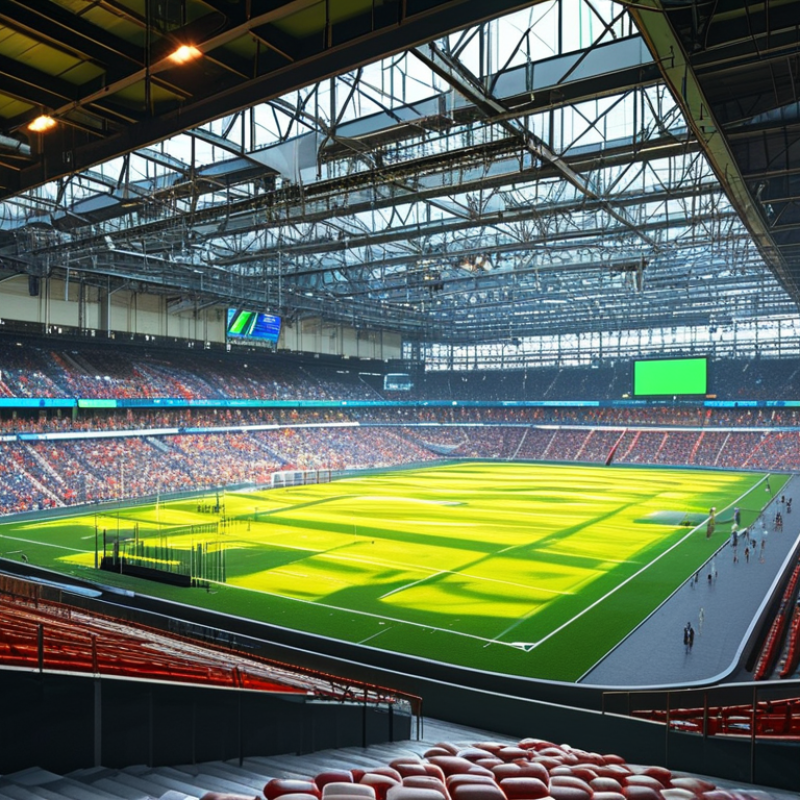
LED screens are transforming the way fans experience live events in stadiums. These screens provide vibrant visuals and excellent clarity. According to a report by the International Federation of Sports and Entertainment, over 85% of fans prefer enhanced viewing experiences offered by LED installations. This statistic highlights the significance of visual technology in boosting fan engagement.
The benefits of LED screens extend beyond aesthetics. They enable real-time highlights, player statistics, and advertisements tailored to the audience. A study conducted by the Sports Marketing Institute found that fan interaction increases by 50% when LED screens are used effectively. Such tailored content fosters a connection between the audience and the event. However, not all installations meet expectations. Some venues report that improper placement leads to inadequate visibility and diminished fan experience.
Implementing LED screens also involves strategic planning. Ensuring the screens are positioned correctly is crucial. Poor placement may result in glare or obstruction. Maintenance costs can add up as well. A well-designed LED display can elevate the atmosphere without creating challenges. While the technology offers numerous advantages, careful consideration and evaluation during installation are essential for maximizing its impact.
When selecting the right LED screen for a stadium, several key factors come into play. Understand the location and size of your venue. Screens can vary greatly in dimensions. An oversized screen may overwhelm fans, while a small screen can diminish the viewing experience. Consider the viewing angles as well. A stadium often has diverse seating arrangements, so ensuring optimal visibility is essential.
Brightness and resolution are critical. LED screens must be bright enough to compete with sunlight. Higher resolution screens provide clearer images, enhancing fan engagement. Look at pixel pitch to determine clarity. A smaller pitch offers better detail, which is important for video replays and advertisements.
Power consumption and installation logistics are also vital considerations. Evaluate energy efficiency; it impacts operating costs over time. Installation can be complex, requiring professional expertise to ensure safety. During the planning phase, be open to feedback and adapt your choices based on expert advice. Flexibility may lead to better outcomes in your selection process.
Installing LED screens in stadiums requires a structured approach. Begin by assessing the stadium layout.
Consider the viewing angles and seating arrangements. This ensures optimal visibility for all attendees.
Accurate measurements are crucial. Calculate the screen dimensions based on these factors.
The next step involves selecting appropriate mounting options. Whether you choose fixed mounts or flexible structures, they must provide stability.
Installing the frame requires precision. Ensure that all brackets and supports are level. This prevents the LEDs from tilting, which could lead to poor viewing experiences.
After securing the screens, integrate the necessary cabling and connections. Organize wires to avoid clutter; this not only enhances safety but also aesthetics.
Test the screens thoroughly. Check for brightness and color accuracy in diverse lighting conditions. It's vital to gather feedback during this phase.
A mistake in installation can impact user experience. Be open to adjustments based on viewer input.
Proper maintenance of LED displays in stadiums is crucial for performance. According to industry reports, around 25% of outdoor LED displays face failures due to inadequate upkeep. Regular inspections can detect issues early. Persistent moisture or debris can damage internal components. This can lead to costly repairs, making it vital to establish a routine cleaning and maintenance schedule.
Troubleshooting is key when problems arise. Industry data suggests that nearly 40% of LED display issues stem from power supply faults. It’s essential to check connections and voltage levels frequently. Monitoring software can assist in tracking display performance. If the screen shows flickering or color issues, a calibration might be needed. These problems often signal underlying faults that require immediate attention.
Installing weatherproof enclosures is another proactive measure. These protect against environmental factors such as rain and dust. They can extend the lifespan of the display. Yet, even with precautions, failures can occur. A system for identifying and addressing these failures is crucial. Regular training can empower staff to resolve common issues swiftly, ensuring displays function as intended.
Stadiums are evolving with the rise of LED technology. These screens provide clearer visuals, richer colors, and enhanced fan engagement. As stadiums adapt, several future trends are emerging in LED screen technology.
One trend is the shift toward flexible LED displays. These screens can be curved or bent to fit unique stadium designs. This innovation allows for optimal viewing angles. Fans can now enjoy activities on screens that wrap around seating areas. Imagine immersive experiences where visuals and atmosphere come together seamlessly.
Another trend is increased interactivity. New technologies enable fans to participate through their mobile devices. They can vote on replays or engage in live polls. This interaction deepens the relationship between fans and teams. Such features will likely become standard.
Tips: Ensure the LED installation team is experienced. Proper planning is essential for placement. Involve technology experts during the design phase to maximize impact. Furthermore, consider the potential for future upgrades. Innovations come rapidly; staying adaptable is key. Implementing these factors now can transform fan experience significantly.
: LED screens offer vibrant visuals, real-time highlights, and tailored advertisements, enhancing the fan experience significantly.
Effective use of LED screens can boost fan interaction by 50%, fostering stronger connections between the audience and events.
Improper placement of screens can lead to inadequate visibility, glare, and a reduced overall experience for fans.
Ensuring accurate measurements and optimal viewing angles is essential to achieve the best visibility for all attendees.
Organize wires to avoid clutter, enhancing safety and aesthetics while preventing possible installation issues.
The trend towards flexible LED displays allows for unique stadium designs, providing fans with better viewing angles.
Technologies enabling mobile engagement, like voting on replays, can deepen fan relationships and enhance their experience.
Gathering viewer feedback is vital, as mistakes in setup can impact user experience; adjustments may be necessary.
Proper planning and strategic placement are critical for maximizing the impact of LED screens and ensuring fan satisfaction.
Consider the potential for innovations and remain adaptable, as rapid advancements in technology can greatly improve fan experiences.
Installing LED screens in stadiums can greatly enhance the spectator experience and provide dynamic displays of information. This guide covers how to install LED screens in stadiums by first examining the benefits of these displays, including improved visibility and engagement for fans. When choosing the right type of LED screen, key considerations such as size, resolution, brightness, and location must be taken into account to ensure optimal performance.
The installation process involves several steps, from site assessment to final setup and testing. Proper maintenance is crucial for longevity and includes routine checks and troubleshooting common issues. As technology evolves, future trends in stadium LED displays will focus on increasing interactivity and adaptability, ensuring that these screens continue to meet the growing demands of fans and event organizers alike.

Aras LED