Why Fine Pixel Pitch Matters for Indoor LED Screens begins with a practical question: how close will people stand to the display?
For indoor environments, viewers may sit only two or three meters away. A coarse pixel pitch can reveal visible gaps, jagged text, and distracting patterns on skin tones. Fine pixel pitch reduces these gaps. It creates smoother images, sharper presentations, and more comfortable viewing across meeting rooms, retail spaces, broadcast studios, museums, and control centers. This is why the phrase “why fine pixel pitch matters for indoor screens” concerns more than image quality. It also involves comfort, content accuracy, camera performance, and long-term value.
Chris Chinnock, founder of Insight Media and an experienced display-industry analyst, explains the principle clearly: “Pixel pitch must be matched to viewing distance and application.” That sentence deserves attention. Smaller is not automatically better. A 0.9 mm screen may look impressive, yet it can exceed a project’s real needs. Power use, processing requirements, installation conditions, and budget still matter.
Look closely.
At one meter, small text and thin lines demand precise LED alignment. Under studio lighting, refresh performance and scan behavior become equally important. In a retail showroom, color consistency may matter more than extreme resolution. These details are easy to overlook.
I have seen specifications dominate early discussions, while viewing habits receive less attention. That is a weakness. The right fine-pitch solution should be tested from real seats, with real content, real cameras, and realistic lighting. Some decisions will remain imperfect. Careful evaluation is still the safer path.
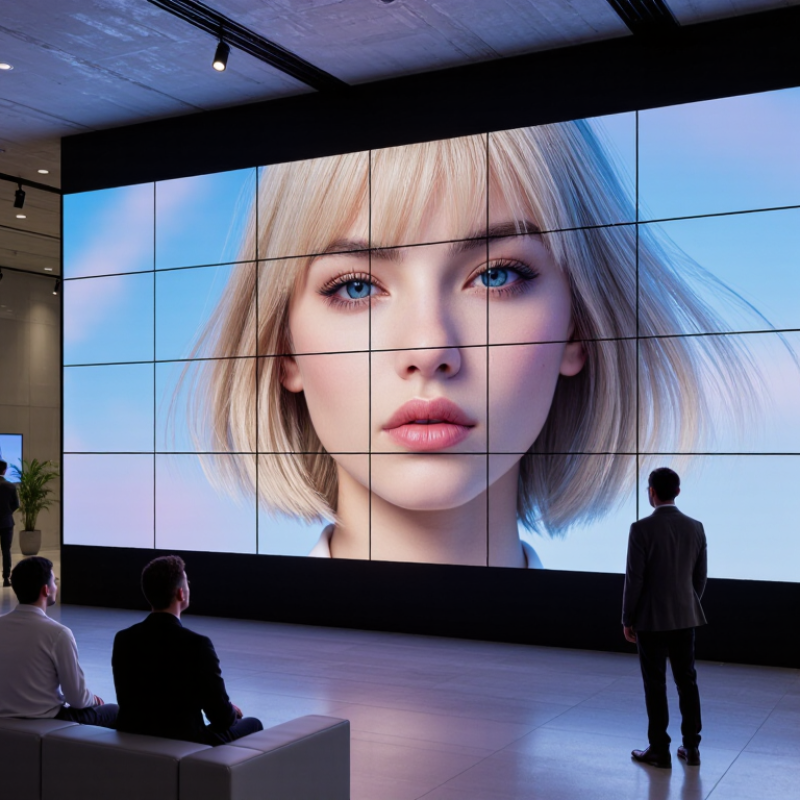
Fine pixel pitch means a smaller distance between neighboring LED pixels. A P1.2 display places pixels about 1.2 millimeters apart. This creates higher pixel density and smoother images at close viewing distances. It also improves small text, facial details, and presentation graphics. In indoor environments, viewers may stand only two or three meters away. Coarse pixels can then appear as visible dots.
The relationship is practical, not absolute. A common planning rule estimates minimum viewing distance near the pixel pitch in meters. For a P1.2 screen, close viewing can remain comfortable, but room lighting and content still matter. The 2024 Grand View Research report valued the global LED display market at approximately USD 9.5 billion in 2023. Its forecast also indicates continued growth through 2030, partly driven by higher-resolution displays. These figures show demand, not guaranteed performance.
Fine pitch requires more than tight spacing. It demands accurate cabinet alignment, stable calibration, and careful brightness control. In my installation experience, a sharp P1.2 wall can still look uncomfortable when brightness is excessive. That part is often overlooked. Fine-pitch modules also cost more and may require closer maintenance attention. A 2024 AVIXA industry outlook identifies corporate, retail, and event environments as important professional AV applications. The report supports the wider shift toward visual communication, but pixel pitch should follow viewing distance, content size, and budget. Smaller is not always better.
Pixel pitch is the center-to-center distance between adjacent LED pixels. A smaller pitch creates a higher pixel density, producing sharper images when viewers are close to the screen.
Pixel density is calculated as (1000 ÷ pixel pitch in millimeters)². For example, a 0.9 mm pixel pitch provides approximately 1.23 million pixels per square meter, while a 2.5 mm pitch provides approximately 160,000 pixels per square meter. Higher density generally supports finer detail and smoother text at shorter viewing distances.
Fine pixel pitch matters because it changes how clearly an indoor LED screen presents small visual details. Pixel pitch measures the distance between neighboring pixels, usually in millimeters. A smaller pitch places more pixels within the same display area. This creates sharper text, smoother edges, and cleaner faces in close-up images. It matters most when viewers stand near the screen.
Viewing distance affects the right choice. A 1.5 mm screen may suit a reception area where people stand two or three meters away. A 2.5 mm screen can work well in a larger meeting room with greater separation. These examples are practical, not absolute. Room lighting, screen size, camera use, and content quality also influence the result. Tiny text still looks poor when the source file is low resolution.
In real installations, I would inspect the screen from several positions, not only from the front. Walk closer. Step sideways. Check fine lines, subtitles, and skin tones. A common guideline links one millimeter of pitch to roughly one meter of viewing distance, but it is imperfect. Some viewers notice pixel structure sooner than others. Choosing the finest pitch available may improve detail, yet it can increase cost and power use. The better decision balances visual distance, audience expectations, and the details shown every day.
Fine pixel pitch directly shapes how comfortable an indoor LED screen feels. A smaller pitch places pixels closer together, reducing visible gaps, jagged edges, and distracting texture. At three meters, 1.2 mm pitch can preserve clean text and facial details better than a 2.5 mm pitch. This matters in meeting rooms, retail displays, museums, and control spaces. Viewers often notice poor pixel structure before they notice brightness.
The effect is more than technical. Smooth skin tones look natural. Small subtitles remain easier to read. Thin lines do not break into rough steps. The 2024 AVIXA Industry Outlook and Trends Analysis forecasts global professional AV revenue to reach about 422 billion dollars by 2028. As professional display use expands, viewing quality becomes harder to ignore. The 2023 digital signage market analysis by Grand View Research also estimated the sector at roughly 27 billion dollars in 2022, with continued growth ahead.
Still, more pixels are not always better. A fine pitch cannot repair excessive brightness, poor calibration, bad content, or an unsuitable viewing distance. This is where specifications sometimes overpromise. Installers should test real footage, not only colorful showroom loops. ITU-R BT.500-14 emphasizes controlled viewing conditions for reliable visual assessment. A practical test should include faces, dark scenes, fine text, and side-angle viewing. Some installations need a slightly larger pitch. Cost, maintenance access, and audience distance deserve equal attention.
Choosing the right pixel pitch requires more than selecting the smallest available number. Pixel pitch measures the distance between LED pixels, usually in millimeters. A finer pitch creates sharper images at close viewing distances. This matters in meeting rooms, galleries, control centers, and retail spaces where viewers may stand within two meters. In real installations, I have seen oversized pitches make faces look slightly grainy on detailed video walls. However, a smaller pitch is not automatically better. It can increase cost, processing demands, and replacement complexity.
Key factors include viewing distance, screen size, content type, room lighting, and budget. For close viewing, a fine pitch below 2.5 mm may provide smoother text and cleaner graphics. Larger spaces may perform well with a wider pitch, especially when viewers stand farther away. Consider the content, too. Small text needs stronger pixel density than simple promotional videos. Bright rooms require suitable brightness control, while dark rooms need careful adjustment to prevent eye strain. Refresh rate, grayscale performance, and front-service access also affect daily reliability. Specifications can look impressive on paper. Real conditions may disagree.
Tips: Measure the nearest viewer’s position before choosing. Test actual content on a sample panel. Check text, skin tones, and camera footage. Leave room for maintenance access. Do not judge quality from one showroom image. Installation results depend on calibration, viewing habits, and operator training. A slightly imperfect test often reveals more than a perfect brochure.
Fine-pitch LED screens are changing how indoor spaces communicate. Smaller pixel spacing creates smoother images at close viewing distances. This suits meeting rooms, retail interiors, museums, broadcast studios, and control centers. A 1.2-millimeter pitch can show sharp text across a large wall. It also reduces the screen-door effect visible on older displays. AVIXA’s 2024 IOTA report estimated the global professional audiovisual industry at approximately 332 billion US dollars in 2023. That scale reflects growing demand for clearer, flexible visual systems. Yet, resolution alone does not guarantee a successful installation.
In real indoor projects, viewing distance, brightness, camera use, and maintenance access matter equally. A screen that looks impressive may still cause eye fatigue or expose uneven brightness. Fine-pitch LEDs support detailed dashboards, virtual production backgrounds, premium product displays, and immersive learning environments. TrendForce’s 2024 LED Display Market research identifies fine-pitch products as an important growth area. Market forecasts differ, however, because analysts define “fine pitch” differently. That inconsistency deserves attention. Pixel density should serve the room, not dominate the specification sheet.
Tips: Match pixel pitch to the nearest viewer, not the largest screen size. Test text, skin tones, and dark scenes before approval. Measure brightness after calibration. Leave front or rear service space. A smaller pitch can increase cost without improving the actual viewing experience. Also, review content workflows early. Excellent hardware cannot repair poorly designed visuals.
Fine pixel pitch means a shorter distance between neighboring LED pixels. A P1.2 display spaces pixels about 1.2 millimeters apart. This creates denser, smoother images.
Indoor viewers may stand only two or three meters away. Smaller pixels reduce visible dots and improve small text. Facial details look smoother too.
No. Smaller is not always better. The right choice depends on viewing distance, content, room lighting, and budget. A tighter pitch can raise costs without improving the experience.
Match the pixel pitch to the nearest viewer, not the screen’s total size. A common planning rule links viewing distance in meters with pixel pitch. Treat it as guidance, not a guarantee.
Yes, excessive brightness can make a sharp screen uncomfortable. Measure brightness after calibration. Room lighting and dark scenes also affect comfort.
Test small text, skin tones, dark scenes, and presentation graphics. View them from typical seating positions. The screen may look different at two meters.
Accurate cabinet alignment and stable calibration are essential. Plan front or rear service access. Leave enough space for maintenance. Tiny alignment errors can become visible across a large wall.
Common applications include meeting rooms, retail interiors, museums, studios, control centers, and learning spaces. They can show dashboards, product visuals, and detailed presentations. Content quality still matters. Good hardware cannot fix weak visuals.
Fine pixel pitch refers to the small distance between individual LED pixels in an indoor display. A narrower pitch creates a higher pixel density, allowing images, text, and video to appear sharper and more detailed, especially when viewers stand close to the screen. This explains why fine pixel pitch matters for indoor screens: it improves clarity, reduces visible pixel patterns, and creates a more natural viewing experience in offices, control rooms, retail spaces, studios, museums, and event venues.
Choosing the right pixel pitch depends on viewing distance, screen size, content type, brightness, installation environment, and budget. A very fine pitch is ideal for close-up applications that require precise detail, while a slightly wider pitch may be practical for larger screens viewed from farther away. By balancing these factors, users can achieve comfortable viewing, strong visual impact, and efficient long-term performance.

Aras LED