In today's digital landscape, choosing the best HDR LED Video Wall is crucial for effective visual communication. According to a recent industry report by MarketsandMarkets, the HDR LED video wall market is projected to reach $2.6 billion by 2026, highlighting its growing significance. As technology advances, understanding how to select the right system becomes essential.
Industry expert Dr. Emily Chen emphasizes the importance of this choice, stating, "Selecting an HDR LED Video Wall is not just about size; it’s about visual impact." Many businesses fail to consider factors such as resolution, brightness, and usage environment when making their decision. While these elements may seem straightforward, they can greatly influence the performance and effectiveness of the display.
With various options available, it’s easy to feel overwhelmed. A common mistake is focusing solely on price rather than the specific needs of the project. An HDR LED Video Wall that works well in one setting may not perform the same in another. Therefore, having a clear understanding of your requirements is vital for making a wise investment.
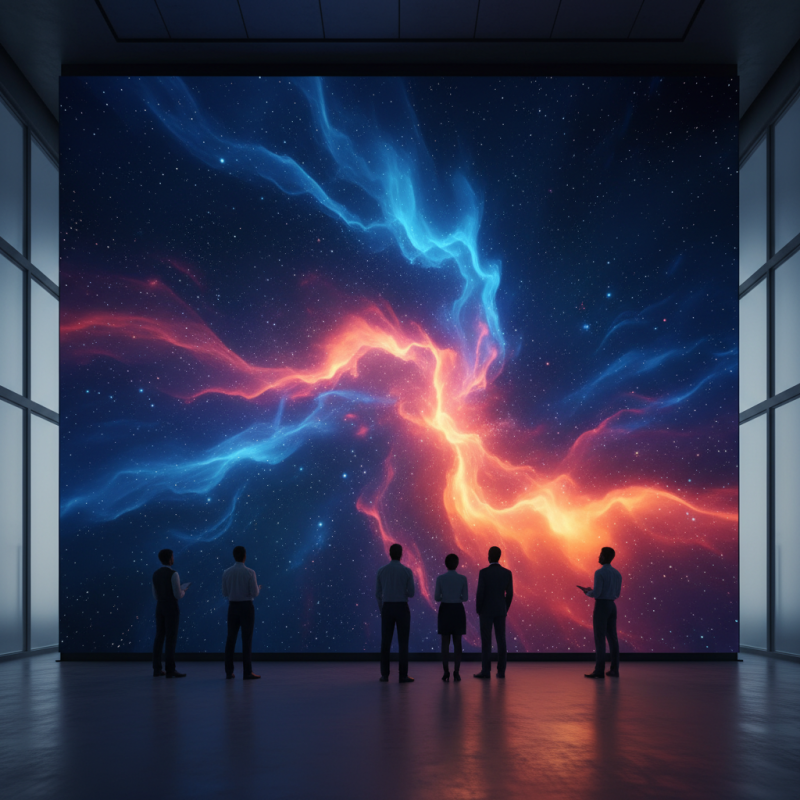
HDR technology is revolutionizing video displays. It enhances color, contrast, and brightness. These features create a more immersive viewing experience. With HDR, shadows appear deeper, and highlights pop. This can transform how you perceive images. You might notice subtle details that were previously hidden.
When choosing HDR LED video walls, consider the peak brightness level. A higher brightness improves visibility in well-lit areas. Color accuracy is another crucial factor. Look for wide color gamuts that reproduce lifelike hues. Also, check the response time. Fast response times reduce motion blur, vital for action-packed content.
While HDR offers impressive benefits, it's not without drawbacks. Compatibility issues can arise with different devices. Learning curves can be steep for advanced settings. You may need to adjust configurations to achieve optimal performance. It's also essential to think about installation and maintenance. These factors can impact long-term satisfaction.
| Feature | Description | Benefits |
|---|---|---|
| Brightness | Measured in nits, determines how well the display performs in bright environments. | Improved visibility in various lighting conditions. |
| Color Accuracy | The ability to reproduce colors true to life. | Enhanced viewer experience and realistic imagery. |
| Resolution | Number of pixels in the display, commonly 4K or higher. | Sharper images and better detail reproduction. |
| Refresh Rate | Number of times the image refreshes per second, typically 60Hz or higher. | Smoother motion rendering, ideal for dynamic content. |
| Viewing Angle | The angle at which the display can be viewed without color distortion. | Greater flexibility in placement and audience viewing position. |
| Connectivity Options | Types of inputs available, such as HDMI, DisplayPort, etc. | Easier integration with other devices and technology. |
When selecting an HDR LED video wall, resolution, brightness, and color accuracy are crucial factors. The resolution determines the clarity of the images displayed. Common options include 1080p, 4K, and even 8K resolutions. A report by Display Daily shows that 4K displays have become the standard for high-quality visuals. However, it’s essential to consider viewing distance. A high resolution is wasted if the audience is too far away to appreciate it.
Brightness is another critical element. LED walls typically range from 500 to 4,000 nits. Higher brightness levels enhance visibility, especially in bright environments. According to AVIXA, content creators often underestimate the necessary brightness for outdoor displays. They recommend at least 1,000 nits for sunlight exposure, emphasizing the need for rigorous testing in various lighting conditions.
Color accuracy must not be overlooked. A high-quality LED video wall should cover at least 90% of the NTSC color space. Yet, many consumers fail to ask about color calibration. Uncalibrated LED screens can distort colors. The result? Viewer dissatisfaction and misplaced trust in technology. Additionally, maintaining consistent performance over time is a concern, as cheaper models might fade or shift in color. Balancing these specifications is no small task, but doing so can yield a stunning visual experience.
When choosing an HDR LED video wall, assessing your space is vital. Measure the dimensions of the area where you plan to install the screen. Ensure there is enough wall space and consider the ceiling height. A good installation should not feel cramped. Small spaces may limit the size of the screen, affecting visibility and impact. Ideally, a video wall should enhance the environment, not dominate it.
Viewing distance is equally important for an optimal setup. The distance from viewers to the screen influences how the content is perceived. A larger screen requires a greater distance for viewing. Conversely, smaller screens may be more suitable for close-up interactions. Think about audience engagement. Too close might strain the eyes; too far can diminish the experience. Experimenting with different positions can provide insights into the best setup.
Reflect on the placement of the video wall. Factors like lighting and decor influence visibility and aesthetic appeal. A well-lit room might wash out images, while dim lighting could enhance colors. However, balancing natural and artificial light is tricky. Pinpointing the perfect location may take time and might require adjustments after the initial setup. Listening to user feedback can guide future refinements.
When selecting an HDR LED video wall, brand and model comparison is essential. Different brands offer distinct features. Some excel in brightness and color accuracy, while others focus on affordability and user-friendliness. Researching specifications can reveal what matters most. Brightness levels often vary significantly. Ensure the model you choose suits your environment. For instance, if the video wall will be in a bright room, higher brightness is crucial.
Another aspect to consider is resolution. Higher resolutions provide sharper images but may have higher costs. Some users might find it hard to differentiate between 4K and lower resolutions. Picture quality often depends on the content displayed. Test the models in various settings to gauge performance. Note that some models may overpromise on quality.
Viewing angles also differ among brands. Some video walls look great head-on but lose clarity from the sides. Consider the placement and audience for optimal viewing. Finding a model that meets your needs might require several adjustments. Evaluate your space and budget carefully. There may be no perfect choice, so prioritize what truly matters.
When budgeting for an HDR LED video wall, understanding costs is crucial. Prices vary based on size, resolution, and features. Many options exist, making it easy to go over budget. Consider what you truly need. Do you need high contrast? Or is color accuracy more important? This can affect your investment.
Evaluate potential return on investment (ROI). A high-quality video wall can boost engagement. It can attract attention in crowded spaces. However, maintenance costs can add up over time. Think about the long-term benefits versus initial expenditures. Is the technology upgrading every few years? Planning for these expenses can shape your decision.
Keep an eye on installation costs, too. Proper installation is essential for the video wall to perform well. If not done correctly, it can lead to issues. Also, consider training for staff on effective usage. Sometimes, these added costs aren't clear at first. An upfront investment can lead to unexpected expenses later, so reflection is key.
: Resolution, brightness, and color accuracy are the key factors to consider.
Common resolutions include 1080p, 4K, and even 8K options.
A high resolution is ineffective if the audience is too far away.
Higher brightness enhances visibility, especially in bright environments.
At least 1,000 nits is recommended for proper sunlight exposure.
Ensure the model covers at least 90% of the NTSC color space.
Uncalibrated screens can distort colors, leading to viewer dissatisfaction.
Testing helps measure performance in real conditions and prevents overpromising.
Some video walls lose clarity from the sides, affecting the audience's view.
There may be no perfect choice. Prioritize features that matter most to you.
When selecting the best HDR LED Video Wall for your needs, understanding HDR technology is crucial, as it offers enhanced viewing experiences with vivid colors and contrast. Key features such as resolution, brightness, and color accuracy significantly influence the overall performance of the video wall. It's essential to assess the specifications of different models to find one that fits your specific requirements.
Moreover, considering your space and viewing distance plays a vital role in achieving optimal setup and immersion. By comparing various brands and models, you can identify the best option for your environment. Finally, budgeting is key; assessing both initial costs and potential return on investment will ensure you make a financially sound decision when investing in an HDR LED Video Wall.

Aras LED