How to Boost Brightness and Contrast for LED Walls in 2026?

Time:2026-07-06 Author:Aria
0%

As we approach 2026, the demand for vibrant LED walls is skyrocketing. Businesses and event organizers are seeking ways to enhance visual experiences. A crucial aspect of this enhancement is how to improve brightness and contrast of LED walls. Effective brightness and contrast can transform a dull display into a captivating visual masterpiece.

Boosting brightness ensures that images stand out, even in well-lit environments. High contrast enhances details, making visuals more engaging. However, achieving the perfect balance is challenging. Many often overlook the importance of calibration and maintenance. Regular checks can reveal issues that might affect brightness and contrast.

In this evolving field, professionals must experiment with techniques to enhance LED wall performance. Finding the right balance between brightness and contrast isn’t a straightforward task. It requires a mix of hands-on experience and ongoing learning. With evolving technology and increasing expectations, it's essential not to settle for the status quo.
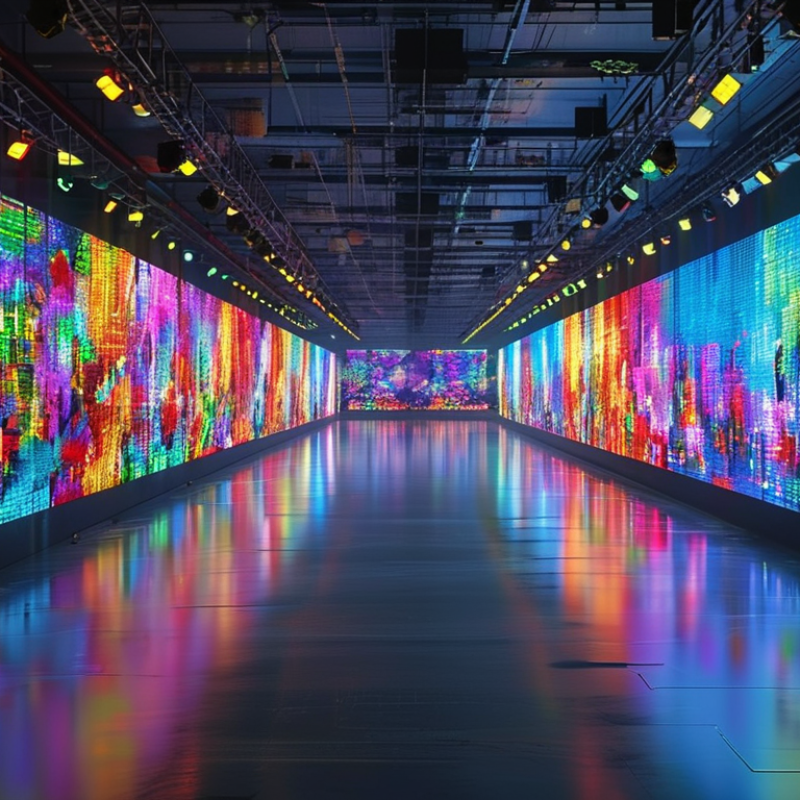
How to Boost Brightness and Contrast for LED Walls in 2026?

Understanding LED Wall Technology and Its Limitations in Brightness

The LED wall technology has advanced rapidly, but it still faces challenges in brightness. According to a 2022 industry report, common LED displays have brightness ratings between 1,000 to 3,500 nits. However, achieving higher brightness levels often impacts energy efficiency and longevity. This highlights the trade-off between brightness and operational costs.

Moreover, color contrast is another area of concern. A well-designed LED wall should ideally maintain a contrast ratio of at least 1,500:1. But many systems struggle to achieve this in bright environments. With only 60% of devices meeting this standard, users often find themselves disappointed. It's crucial to consider ambient light when planning installations.

Understanding these limitations is essential. Reports suggest that 45% of users experience issues with visibility during daytime events. This reveals a gap in expectations versus reality. Enhancements in brightness and contrast must be coupled with a clear understanding of the technology's constraints. The industry continues to push for innovations, yet reflection on current shortcomings remains vital.

Factors Influencing Brightness and Contrast in LED Displays

When discussing factors influencing brightness and contrast in LED displays, several key aspects emerge. Ambient light is a primary concern. The surrounding environment can dramatically affect perceived brightness. Higher ambient light demands greater LED output. Designers need to consider this when planning installations. Viewing angles also play a critical role. A wider viewing angle can help maintain brightness and contrast across different positions.

For achieving optimal performance, here are a few tips. Regular calibration of LED walls can improve image quality. This ensures consistent brightness levels. Additionally, using high-quality content sources will enhance contrast. Poor quality inputs lead to less vibrant displays. Users should also monitor LED lifespan. Aging panels may lose brightness over time, affecting overall display quality.

It’s essential to test various settings in different environments. Each location presents unique challenges. Experimenting can lead to unforeseen limitations. Identifying these issues early is vital for display longevity. Regular maintenance checks are also crucial, as they can prevent dramatic declines in performance. Taking proactive measures ensures that LED displays shine in any setting.

How to Boost Brightness and Contrast for LED Walls in 2026? - Factors Influencing Brightness and Contrast in LED Displays

Factor Impact on Brightness Impact on Contrast Recommended Value
LED Chip Quality High Medium Use premium chips
Display Calibration Medium High Regularly calibrate
Ambient Light Management High High Use proper shielding
Pixel Density Medium Medium Higher pixel density recommended
Controller Quality Medium High Invest in quality controllers

Techniques for Enhancing Brightness in LED Walls

Enhancing brightness in LED walls is essential for effective visual displays. One technique involves adjusting the LED panel's power settings. Higher power can increase brightness. However, this may lead to overheating. It's crucial to find a balance to avoid damaging the hardware.

Another approach is to tweak the display's image settings. Modifying contrast can significantly impact visibility. Adjusting gamma levels can also help optimize brightness. However, over-adjusting can create unnatural colors. Always test different settings to find the best visual outcome for the environment.

Using high-quality LED panels can yield better brightness. The materials impact light output and durability. Regular maintenance is key to keeping brightness levels consistent. Dust accumulation can block light and reduce effectiveness. Cleaning panels timely ensures optimal performance. Overall, improving brightness in LED walls requires a thoughtful approach and ongoing evaluation.

Methods to Improve Contrast for Optimal Display Quality

In 2026, enhancing contrast for LED walls is crucial for optimal display quality. Recent studies from industry experts indicate that a display's contrast ratio significantly affects viewer engagement. A higher contrast ratio can improve readability in bright environments by 300%. This is especially relevant for outdoor advertising and large-scale installations.

Techniques such as local dimming can improve dark scene detail. By adjusting the brightness in specific areas, this method enhances the perceived contrast. Research shows that local dimming can increase contrast ratios by up to 50%. However, it can present challenges, such as blooming effects that detract from image quality. Additionally, calibrating color accuracy is essential. Accurate color settings can lead to a 20% boost in perceived visual quality.

Another option is to incorporate advanced pixel technologies. These allow for finer details and deeper blacks. Implementing these solutions may require significant investment and expertise, yet the payoff can be substantial. Despite the advancements, some methods may still fall short. Regular adjustments and updates are critical to maintain optimal performance over time. Ensuring consistent quality is a continuous challenge in the fast-paced LED display market.

Future Trends in LED Technology for Enhanced Visual Performance

The LED technology landscape is evolving rapidly. Enhanced brightness and contrast are pivotal for high-quality visual experiences. A recent industry report indicates that by 2026, LED walls will boast brightness levels exceeding 1,500 nits. This could significantly enhance visibility in direct sunlight, making displays more versatile in outdoor applications.

Contrast ratios are also set for improvement. Current standard contrast ratios hover around 3000:1. However, projections suggest advancements could push these figures up to 5,000:1 or more. This increase would enable deeper blacks and brighter whites, providing a more immersive viewing experience. Such enhancements will be driven by advancements in microLED technology, which has shown promise in delivering superior image quality.

Despite these advancements, challenges remain. Power consumption is a critical issue. As brightness increases, so does energy usage. Innovations in energy-efficient designs would be essential to counterbalance this trend. Regular maintenance practices will also need to adapt to ensure optimal performance. As the industry moves forward, the collaboration between technology developers and content creators will be vital for maximizing the potential of these enhancements.

How to Boost Brightness and Contrast for LED Walls in 2026?

FAQS

: What is the typical brightness range for LED displays?

: Typical LED displays range from 1,000 to 3,500 nits in brightness.

How do higher brightness levels affect LED displays?

Higher brightness often reduces energy efficiency and shortens the lifespan of the displays.

What is an ideal contrast ratio for LED walls?

An ideal contrast ratio for LED walls should be at least 1,500:1.

Are most LED systems able to achieve ideal contrast ratios?

No, only about 60% of devices meet the ideal contrast ratio in bright environments.

How do users experience visibility issues with LED displays?

Approximately 45% of users report visibility problems during daytime events.

What are future brightness projections for LED walls?

By 2026, LED walls are expected to exceed 1,500 nits in brightness.

How might contrast ratios improve in the future?

Future projections suggest contrast ratios could reach 5,000:1 or more.

What technology advancements are expected to enhance LED displays?

MicroLED technology is anticipated to significantly improve image quality.

What challenges does increased brightness pose for energy consumption?

Higher brightness typically leads to increased power consumption, raising operational costs.

What maintenance practices might need to change in the future?

Regular maintenance will have to adapt to the needs of more efficient, higher-brightness displays.

Conclusion

In the article "How to Boost Brightness and Contrast for LED Walls in 2026?", the author explores the intricacies of LED wall technology and its inherent limitations concerning brightness. Understanding these limitations is crucial for optimizing display performance. The article further delves into the various factors influencing brightness and contrast in LED displays, highlighting the significance of ambient lighting and pixel density.

Additionally, it outlines effective techniques for enhancing brightness, such as utilizing advanced LED technologies and optimizing power consumption. Methods to improve contrast are also discussed, ensuring that viewers experience optimal display quality. Finally, the article looks ahead at future trends in LED technology, emphasizing innovative advancements that aim to elevate visual performance. Overall, it provides valuable insights on how to improve brightness and contrast of LED walls for an enhanced viewing experience.

Aria

Aria

Aria is a dedicated marketing professional with a deep passion for innovative strategies and a keen understanding of our company's product offerings. With a wealth of experience in the industry, Aria excels at crafting engaging content that highlights the unique features and benefits of our......