Maintaining outdoor LED walls is crucial for their longevity and performance. Industry expert John Smith, a leading technician at BrightDisplay Inc., says, “Regular maintenance can extend the life of your LED display.” Understanding how to maintain outdoor LED walls ensures these displays remain vibrant and functional.
Effective maintenance involves routine cleaning and inspections. Dust, dirt, and debris can diminish image quality. Inspecting cables regularly prevents unexpected failures. Whether it's checking for loose connections or ensuring ventilation, attention to detail matters. Ignoring these elements could lead to costly repairs.
Consider the environmental factors as well. Extreme weather can impact performance. Using protective covers during harsh conditions is advisable. However, avoid over-protection, as this may trap moisture. Striking the right balance is key. Regular preventive measures help in reducing long-term expenses. Ultimately, a dedicated maintenance routine will ensure your outdoor LED walls look their best while functioning efficiently.
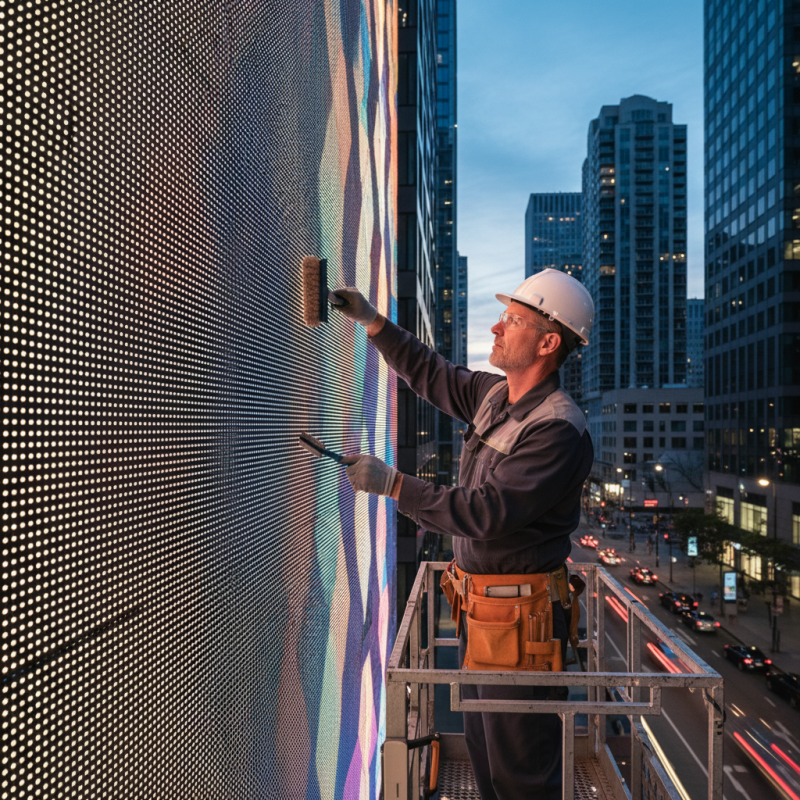
Outdoor LED walls have become a popular choice for advertising and event displays. To understand their maintenance, one must first appreciate the complexity of their components. These walls typically include LED modules, power supplies, control systems, and protective housings. For instance, robust power supplies ensure the panels operate in various weather conditions, contributing to energy efficiency and longevity.
A report by the Global LED Display Market indicates that the outdoor LED display segment worldwide is projected to grow by 15% annually from 2023 to 2028. Despite this growth, many users overlook the significance of proper maintenance protocols. Frequent environmental exposure can cause dust and moisture accumulation, compromising the LED's clarity. Regular inspections and timely replacements of damaged components are critical. Using quality control systems can extend the lifespan of these walls and minimize costly repairs.
Understanding the features of outdoor LED walls helps in creating effective maintenance strategies. For example, designers recommend using protective coatings to enhance resilience against harsh elements. However, even the best components can fail if not monitored consistently. Tracking performance metrics ensures that any deterioration is addressed early, maintaining the reliability and effectiveness of the displays.
Regular cleaning and maintenance are vital for outdoor LED walls. These screens are exposed to the elements, making them prone to dirt and debris. A consistent maintenance schedule will help ensure optimal performance. Cleaning should be done every month, weather permitting. A gentle detergent mixed with water can effectively remove grime. Avoid harsh chemicals as they can damage the screens.
Inspecting the LED walls is equally important. Look for loose wires or fading colors. Regular checks can prevent minor issues from becoming significant problems. If the screen shows signs of wear, consider replacing malfunctioning parts immediately. This proactive approach can save costs in the long run.
Investing in professional help for maintenance is also wise. Experts can provide a thorough inspection and advice based on their knowledge. They know the best practices for keeping the LED walls in top shape. However, it’s sometimes easy to overlook the need for professional maintenance, especially when finances are tight. Balancing DIY methods with expert input is key for long-lasting performance.
| Tip Number | Maintenance Tip | Frequency | Details |
|---|---|---|---|
| 1 | Regular Cleaning | Monthly | Use a soft cloth with a mild detergent to clean the surface. |
| 2 | Inspect Cables and Connectors | Bi-Monthly | Check for any wear or damage to cables and connections. |
| 3 | Check for Software Updates | Quarterly | Ensure that the LED wall's software is up to date for optimal performance. |
| 4 | Calibrate Brightness and Color | Every 6 Months | Adjust settings to maintain display quality and consistency. |
| 5 | Check for Dust and Debris | Weekly | Ensure that no dust accumulates on the LED modules. |
| 6 | Monitor Temperature | Daily | Check that the operating environment is within safe temperature limits. |
| 7 | Visual Inspection | Weekly | Look for any visual anomalies or issues on screen. |
| 8 | Test Functionality of the Display | Monthly | Run diagnostics to ensure everything is working properly. |
| 9 | Check for Water Damage | Seasonally | Inspect for any signs of moisture or corrosion. |
| 10 | Review User Manual for Specific Guidance | Annually | Refer to the manual for any model-specific maintenance procedures. |
Maintaining outdoor LED walls requires careful attention to temperature control and environmental factors. High temperatures can significantly impact the performance and longevity of LED displays. It’s essential to monitor the operating temperature regularly. Ideally, the optimal range is between 20°C to 30°C. If temperatures rise above this range, the internal components may overheat.
Installing efficient ventilation systems is a practical measure. These systems can help dissipate heat effectively. Regularly check for dust and debris as they can obstruct airflow. Shielding the LED wall from direct sunlight using shades or awnings is also beneficial. However, this can sometimes become a double-edged sword; if not done correctly, it could trap heat instead of helping.
Moreover, humidity and precipitation pose significant threats. Excess moisture can damage the electronic components, leading to failures. It’s vital to ensure that the display is adequately sealed and rated for outdoor use. Regular inspections for signs of wear or water ingress are crucial. Using covers during extreme weather can prevent damage, but this can be a hassle in quick turnaround situations. Balancing protection and accessibility is a recurring challenge in outdoor settings.
Maintaining outdoor LED walls is critical for their efficiency and longevity. A key aspect is ensuring proper electrical connections. According to a report from the International Journal of Electronics, nearly 40% of LED failures can be traced back to poor connectivity. Ensure that all cables are securely connected and that connectors are free from dust and moisture. Regular inspections can prevent larger issues.
Surge protection cannot be overlooked. A study from the Institute of Electrical and Electronics Engineers highlights that voltage spikes can severely damage electrical components. Installing a robust surge protector can shield your LED walls from these risks. Be vigilant about checking surge protectors. They can degrade over time and must be replaced to ensure effectiveness.
For optimal maintenance, consider these tips: routine inspections of wiring for wear and tear, keeping the surfaces clean to prevent dust buildup, and monitoring temperature and humidity levels around the installation. Even small details matter. A well-maintained outdoor LED wall can provide reliable service for years. Remember, neglecting these elements can lead to costly repairs and downtime.
Outdoor LED walls are susceptible to various common issues, and monitoring them is crucial for prolonged efficiency. Regular checks can help identify problems early. Look out for signs like flickering or uneven brightness. These may indicate malfunctioning pixels. Addressing these issues promptly can prevent larger failures later.
Troubleshooting requires a systematic approach. Begin with visual inspections for physical damage. Check all connections, cables, and power supply. If the display malfunctions, rebooting it can sometimes resolve temporary glitches. Documenting any recurring issues can aid in future diagnostics.
Regular software updates are essential. They can fix bugs and improve performance. However, installing updates without proper backups can lead to data loss. Always ensure you have a recovery plan in place. Balancing efficiency and reliability sometimes presents challenges, but proactive measures can enhance the operation of outdoor LED displays significantly.
: Outdoor LED walls include LED modules, power supplies, control systems, and protective housings. These parts work together to ensure functionality.
Maintenance is critical. Proper protocols prevent dust and moisture accumulation, which can affect the clarity and lifespan of the displays.
The ideal operating temperature is between 20°C to 30°C. Higher temperatures can lead to overheating and component failure.
Installing efficient ventilation systems helps dissipate heat. Use shades or awnings, but ensure they do not trap heat.
Excess moisture can damage electronic components. Proper sealing and regular inspections are essential to prevent water ingress.
Poor connectivity accounts for nearly 40% of LED failures. Ensure all cables are secure and connectors are clean for optimal performance.
Surge protection shields against voltage spikes that can damage components. Regularly check and replace surge protectors as needed.
Inspect wiring for wear, keep surfaces clean, and monitor temperature and humidity. Even small issues can lead to bigger problems.
Balancing the need for protection during extreme weather with easy access for maintenance can be a recurring challenge.
Neglect can lead to costly repairs and downtime, significantly impacting the lifespan and reliability of the displays.
Maintaining outdoor LED walls is crucial for ensuring their longevity and optimal performance. Understanding the components of outdoor LED walls is the first step in how to maintain outdoor LED walls effectively. Regular cleaning and adherence to a maintenance schedule help prevent dirt and debris from affecting image quality. Additionally, temperature control and awareness of environmental factors play a significant role in the overall functionality of these displays.
Proper electrical connections and surge protection are essential to prevent damage from power fluctuations, while monitoring and troubleshooting common issues can help identify and resolve problems before they escalate. By implementing these best practices, operators can significantly enhance the durability and reliability of their outdoor LED walls.

Aras LED