Transparent LED technology is revolutionizing the display market by offering a unique visual experience. This innovative technology allows users to combine aesthetic appeal with functionality. Specialized reports indicate that the global transparent LED screen market is expected to grow by 30% annually, driven by demand in retail spaces.
What is transparent LED technology? In essence, it blends high-definition visuals with transparency, making it perfect for immersive advertising. Retailers can captivate customers with striking graphics while maintaining an unobstructed view of products behind the screen. This approach enhances engagement without sacrificing space.
However, despite its benefits, companies must approach transparent LED installation cautiously. The initial investment can be significant. Ensuring compatibility with existing systems and designs is crucial. As with any emerging technology, continual assessment and adaptation are necessary to maximize return on investment. Balancing innovation and practicality will be key to leveraging transparent LED technology effectively in today's competitive landscape.
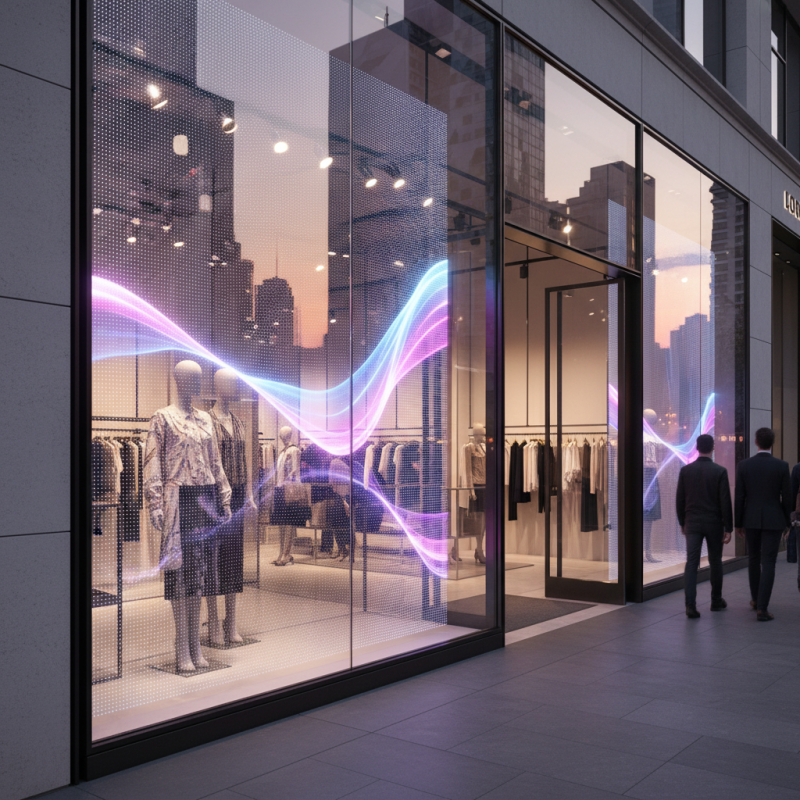
Transparent LED technology has gained significant attention in recent years due to its unique visual appeal and functionality. It allows for high-resolution displays without obscuring the underlying structure. According to a report by MarketsandMarkets, the transparent display market is projected to reach $5.2 billion by 2024. This rapid growth signals a strong demand for innovative technology across various industries, including retail, architecture, and advertising.
One key advantage of transparent LEDs is their ability to blend into environments seamlessly. They can be utilized in shopping malls, airports, and offices without sacrificing natural light. This characteristic is supported by research from IDTechEx, which notes that transparent displays can reduce power consumption by 30% compared to traditional LCDs. However, the technology is not without challenges. Issues such as visibility in bright sunlight and color accuracy can affect user experience. Industry professionals must address these concerns for optimal integration.
Moreover, the adoption of transparent LED screens raises questions about safety and privacy. Some applications might impair visibility, creating potential hazards in busy environments. As experts tackle these issues, transparent LED technology continues to evolve, promising exciting possibilities for the future of digital displays.
Transparent LED displays are revolutionizing how we view technology in various settings. These displays offer a unique blend of visibility and creativity. Unlike traditional screens, they allow for seamless integration into any environment. The crystal-clear imagery does not obstruct the view behind them, which is ideal for modern architecture and advertising.
One major benefit is the versatility they provide. Businesses can showcase vibrant visuals while maintaining the aesthetic of their surroundings. Imagine walking through a mall and seeing digital ads that seem to float in mid-air. This innovation enhances customer engagement by merging art with functionality. However, it’s essential to consider installation challenges and maintenance needs. Regular upkeep is crucial for optimal performance.
Another advantage is the reduced energy consumption compared to traditional LED technology. Transparent displays can be energy-efficient, which appeals to eco-conscious brands. They also enable innovative advertising solutions, yet the potential complexity of content management should not be overlooked. Embracing transparent LED technology requires thoughtful planning and consideration of user experience.
Transparent LED technology is revolutionizing various industries, creating innovative applications in retail, architecture, and transportation.
In retail, stores use transparent LED screens to showcase products without obstructing visibility. This method enhances customer engagement by allowing potential buyers to view new items while keeping the store’s aesthetic.
Tip: Consider how this technology can enhance your branding efforts. Evaluate the visual appeal and functionality of transparent LEDs in your space.
In architecture, transparent LEDs serve as fascinating facades. They create stunning visual effects and can communicate messages without traditional screens. This technology integrates seamlessly into buildings, enabling dynamic advertisements while allowing natural light to enter.
Tip: Focus on the user experience when implementing transparent LED solutions. Reflect on how these installations can improve communication and safety in high-traffic environments.
Transportation also benefits from transparent LED displays. Airports and bus stations adopt these screens for real-time information. Travelers appreciate the visibility and clarity it provides. However, ensuring the technology does not distract passengers remains crucial.
Transparent LED technology is changing how we view displays. This new technology has distinct advantages over traditional display methods. For instance, it allows light to pass through, creating a unique visual experience. Traditional displays, on the other hand, can obstruct natural light and views.
When comparing transparent LEDs to traditional displays, the benefits become clear. Transparent LEDs maintain visibility while offering vibrant visuals. They are versatile for various applications, from retail windows to architectural installations. However, transparency may pose challenges in certain lighting conditions. Striking the right balance in brightness is necessary.
The durability of transparent LEDs also stands out. They are often more energy-efficient than traditional displays, reducing long-term operational costs. Yet, their installation requires expertise to achieve optimal results. This reflects a need for careful planning and execution. Thus, while transparent LED technology holds significant promise, it demands consideration and skill in its implementation.
| Feature | Transparent LEDs | Traditional Display Technologies |
|---|---|---|
| Visibility | High transparency; maintains visibility of background | Opaque; blocks background visibility |
| Brightness | High brightness levels suitable for daylight | May require enhanced lighting for daytime use |
| Weight | Lightweight; easy to install | Heavier; installation may require more support |
| Energy Efficiency | Lower energy consumption | Higher energy usage |
| Application Versatility | Ideal for both advertising and architectural integration | Generally limited to conventional signage |
| Cost | Higher initial investment, but lower operational costs | Lower initial cost; higher maintenance and electricity costs |
Transparent LED technology is changing how we perceive digital displays. As urban spaces evolve, these screens blend into their surroundings. Imagine a building façade that showcases vibrant content while allowing natural light to filter through. This is not science fiction; it’s happening now.
Future trends point towards innovative uses in transportation and retail. Airports may feature transparent screens that provide information without obstructing views. Retailers could showcase products behind glass while marketing new arrivals directly on the displays. However, there are challenges to overcome. The balance between visibility and clarity remains delicate. Too much transparency can hinder the viewing experience in bright environments.
Embracing this technology requires understanding its limitations. Users may find variations in display effectiveness under different lighting conditions. Additionally, installation requires precise engineering to ensure durability and performance. These factors demand careful consideration in design and usage. Investing in research and development will be crucial for future advancements and optimized solutions.
This bar chart illustrates the key benefits of transparent LED technology, highlighting areas such as energy efficiency, cost savings, and design flexibility. Each benefit is rated on a scale from 1 to 10, showcasing the advantages that this technology brings to various applications.
: Retailers use transparent LED screens to display products while maintaining visibility. This enhances customer engagement.
They create visually stunning facades and communicate messages without traditional screens. They let natural light in.
Airports and bus stations use them for real-time information, improving visibility for travelers.
Evaluate both visual appeal and functionality. Reflect on how it enhances branding efforts.
Yes, maintaining a balance between visibility and clarity in different lighting conditions can be difficult.
They can enhance communication and safety in crowded areas, but careful installation is crucial.
Innovations may include more applications in transportation and retail, maintaining aesthetic qualities.
Display effectiveness can vary with lighting, and installation requires precise engineering to ensure durability.
Ongoing R&D can lead to advancements and optimized solutions critical for future applications.
Transparent LED technology offers a groundbreaking advancement in display solutions, allowing for a unique blend of visibility and transparency. What is transparent LED technology? It refers to the use of LED displays that maintain clarity while enabling light to pass through, making them ideal for modern applications such as retail displays, architectural installations, and interactive advertising.
The key benefits of transparent LED displays include their ability to enhance user engagement without obstructing the surrounding environment, energy efficiency, and versatility for various uses across industries. A comparative analysis highlights how transparent LEDs outshine traditional display technologies in terms of reduced space consumption and aesthetic appeal. As we look to the future, innovations in transparent LED technology are set to redefine visual communication and create even more immersive experiences for users.

Aras LED